The Colectivo Werebere has developed a deep interest in the pedagogy of listening as a political act; in reclaiming the sonic condition of the body; and in an expanded perception of living environments, decoding their sounds as urgent messages that invite care for life.
This practice has been developed over more than fourteen years through research projects and commissions for the Ministry of Culture, cultural centers, and civil society organizations, as well as through sound exploration and creation laboratories carried out with rural communities, artisans, environmentalists, children, and ethnic communities across different regions of the country.
In its creative work, the collective focuses on communication and expression between the human and the natural world through the study of different bodies, their phonic systems, and the trajectories and effects of vibration. Their research into resonance phenomena and the physico-acoustic properties of subtle landscape signals has resulted in an inventory of experimental amphibious lutherie objects, combined with techniques for the transition and release of vibration toward the human body as a sonic organism.
For seven years, the collective led the Ministry of Culture’s research-creation laboratories in the departments of Tolima and Risaralda. They have also collaborated with Colombia’s National Radio as producers of children’s content related to art, science, and the appreciation of children’s knowledge and practices, fostering territorial agency from their perspective.
Currently, the collective is developing its own research space dedicated to contemplation and ecstatic experience in the Sumapaz Páramo, the world's largest páramo (a unique high-altitude tropical ecosystem) in Colombia, conceived as a high-mountain listening laboratory and an observation site for the “rivers of the sky.”
Their work has been presented at national and international festivals, including Semana de la Escucha in Medellín (2019), the Tsonami Sound Art Festival in Chile (2017, 2020), the National Artists’ Salon of Colombia (2022), and the São Paulo Biennial (2024).
Related Events
- 29.01.26.20:00– 21:00Sentimiento Océanico
mit Colectivo Werebere
- Concert
CANK - 01.02.26.18:30– 19:30Sentimiento Océanico
mit Colectivo Werebere
- Concert
silent green / Betonhalle - 29.01.26.18:00– 22:00CANK High Tide Evening
mit Aarati Akkapeddi, Diamin, Zufu, Colectivo Werebere, Hanaby
- Activation
- Performance
- DJ Set
CANK - 29.01.26.12:00– 22:00Low Tide
mit Aarati Akkapeddi, Colectivo Werebere
- Hybrid Event
sIlent green KulturquartierCANK
Related Media
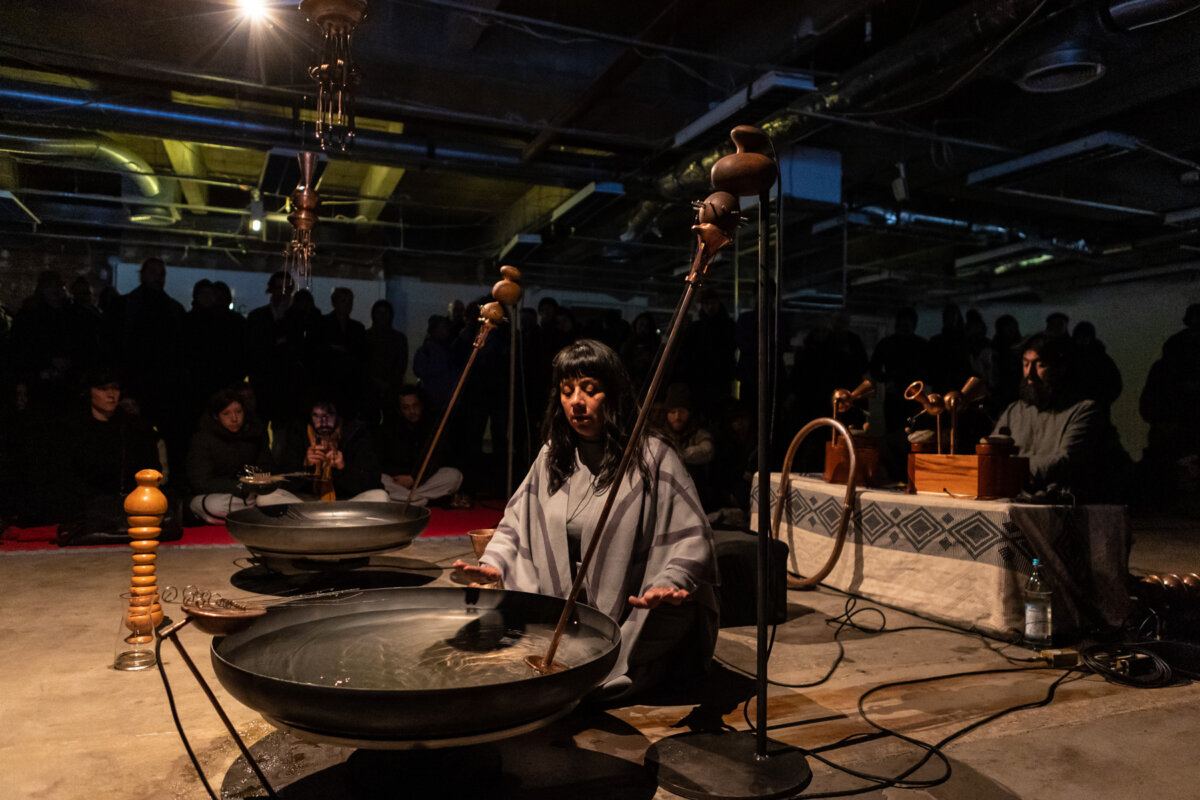 Colectivo Werebere, Sentimiento Océanico, Concert at CANK, transmediale 2026
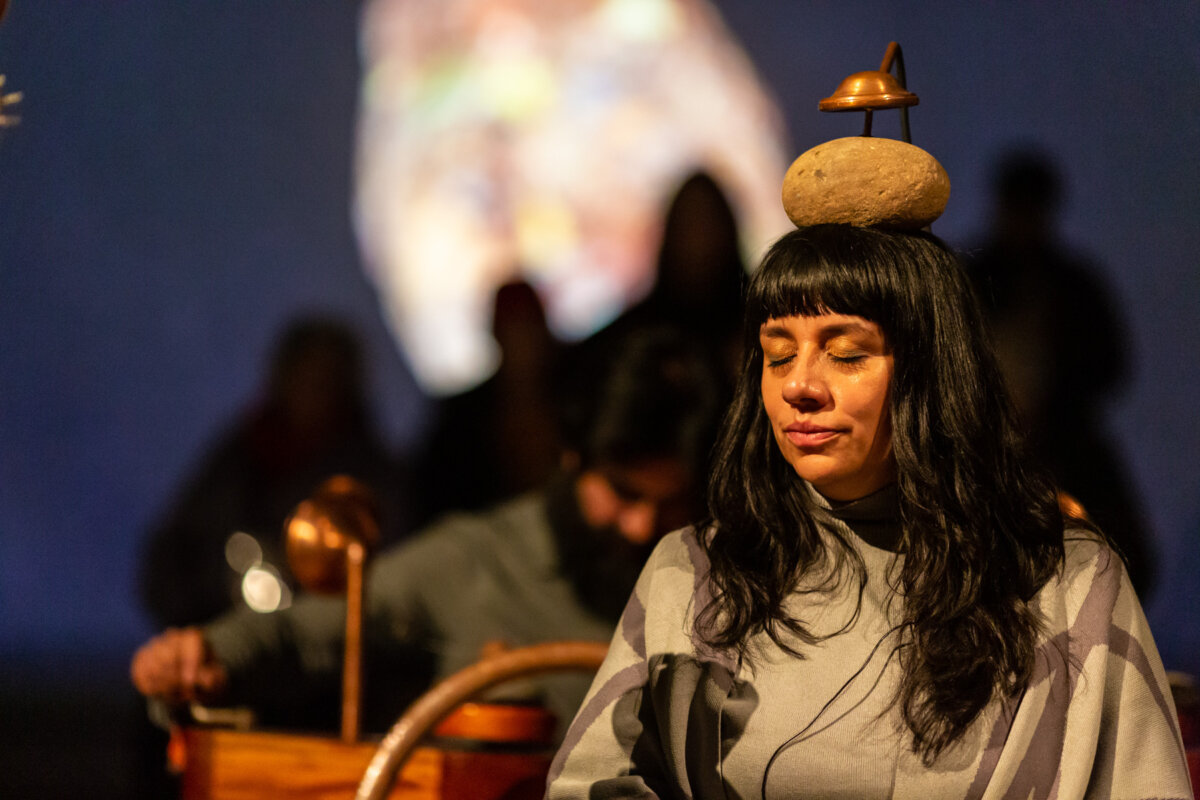 Colectivo Werebere, Sentimiento Océanico, Concert at CANK, transmediale 2026
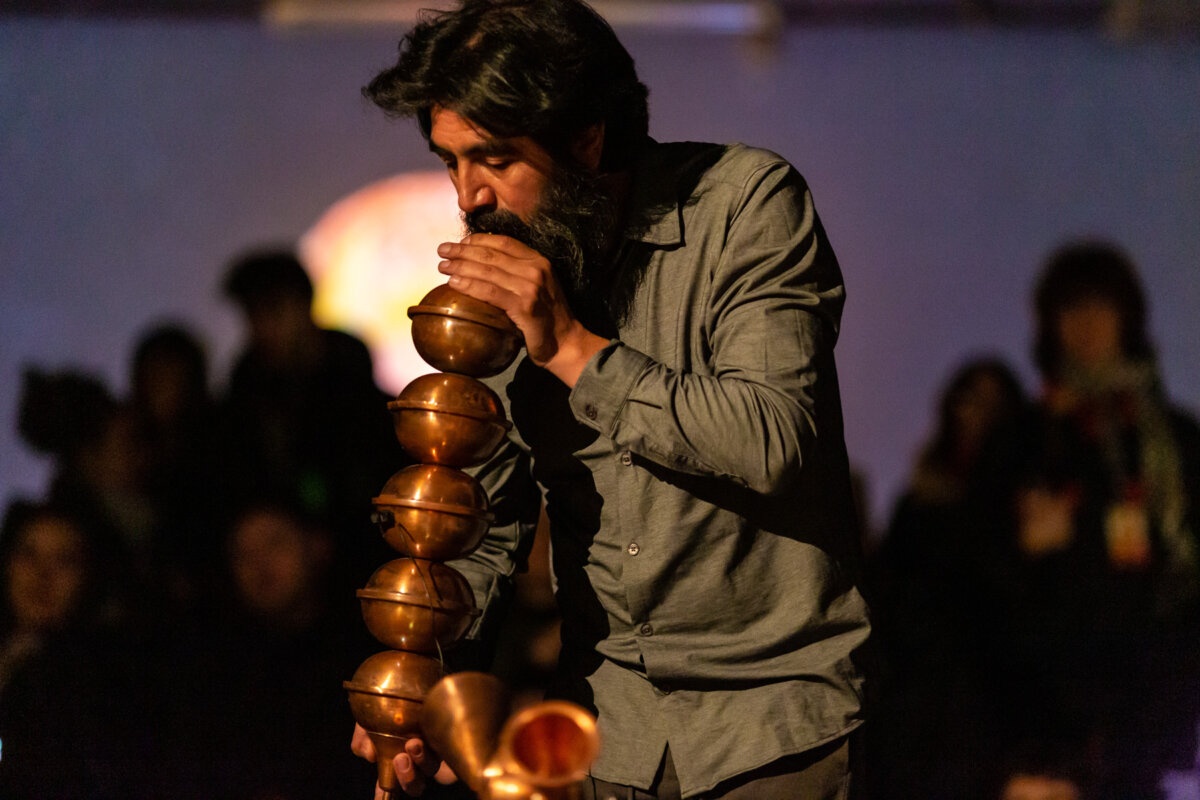 Colectivo Werebere, Sentimiento Océanico, Concert at CANK, transmediale 2026
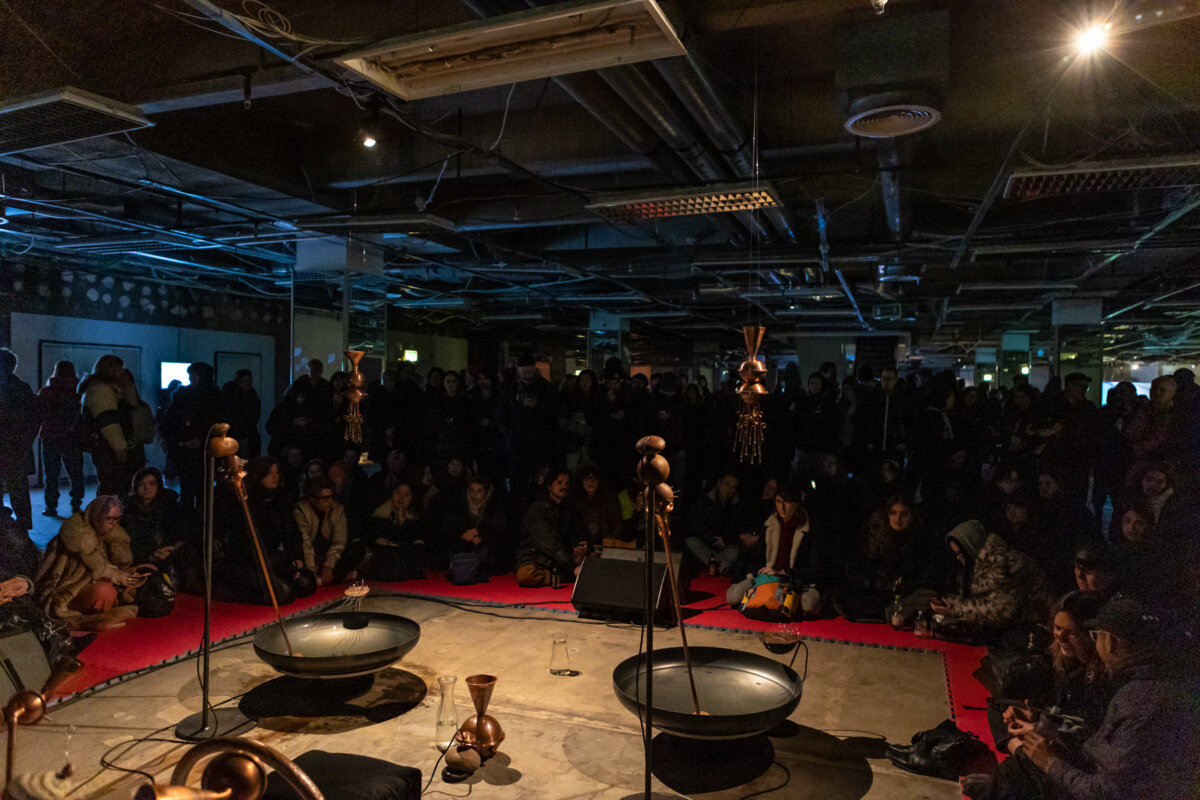 Colectivo Werebere, Sentimiento Océanico, Concert at CANK, transmediale 2026
 Colectivo Werebere, Sentimiento Océanico, Concert at CANK, transmediale 2026
 Colectivo Werebere, Sentimiento Océanico, Concert at CANK, transmediale 2026
- Colectivo Werebere, Sentimiento Océanico, Concert at CANK, transmediale 2026
 Colectivo Werebere, Sentimiento Océanico, Concert at transmediale 2026
 Colectivo Werebere, Sentimiento Océanico, Concert at transmediale 2026
 Colectivo Werebere, Sentimiento Océanico, Concert at transmediale 2026
 Colectivo Werebere, Sentimiento Océanico, Concert at transmediale 2026