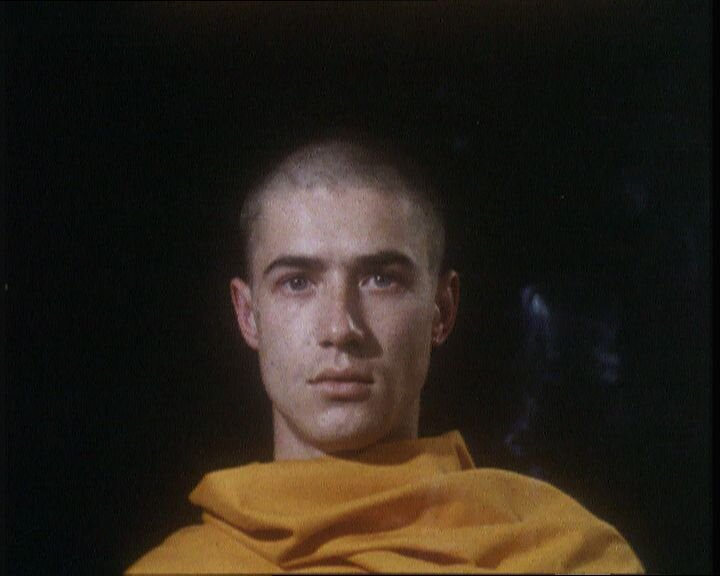
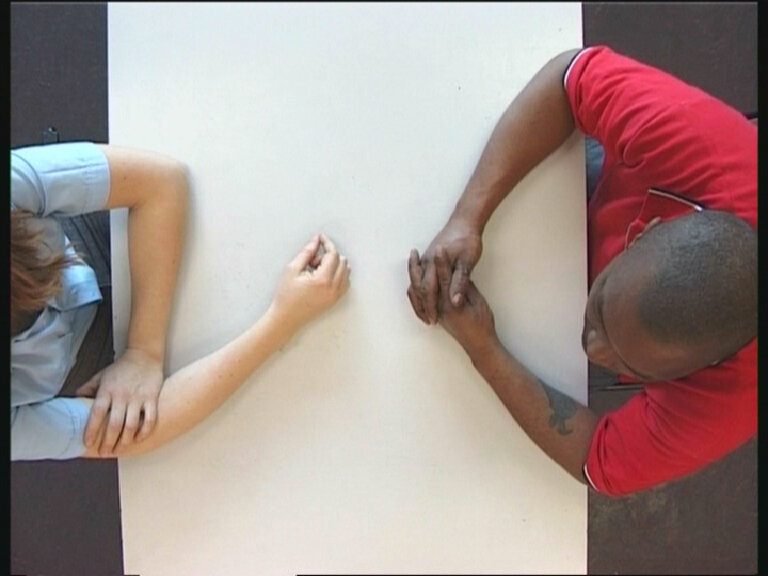
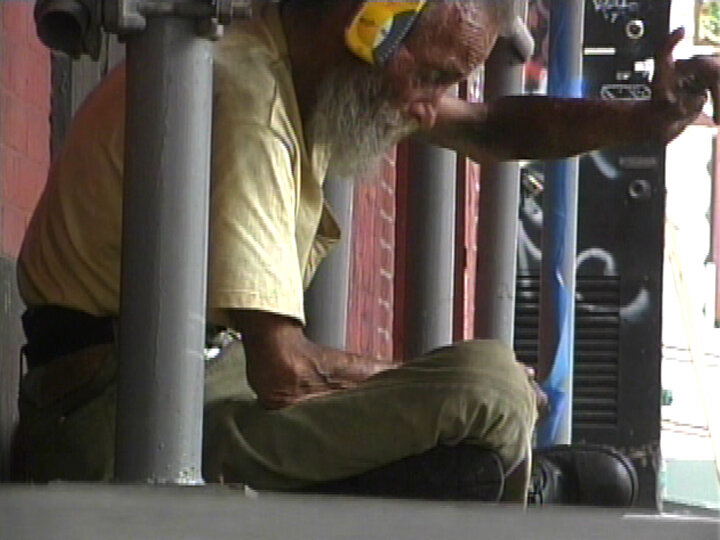
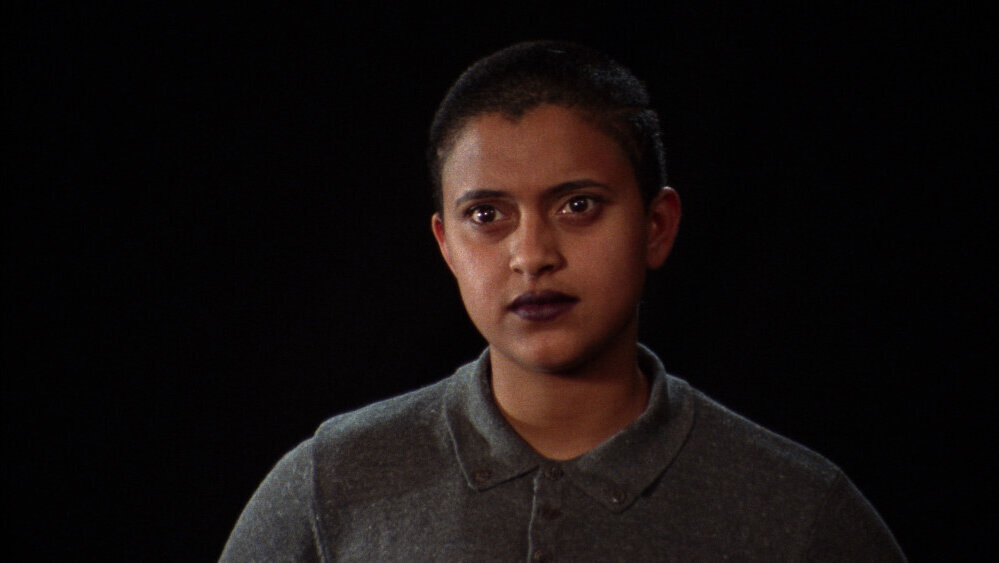
Om, John Smith, UK 1986, 4'. Your Blood is as Red as Mine, Julika Rudelius, NL 2004, 16'. White Balance (to think is to forget differences), François Bucher, US 2002, 32'. House of Women, Michelle Williams Gamaker, UK 2017, 14'. Ayhan and me, belit sağ, NL/TR 2016, 14'.
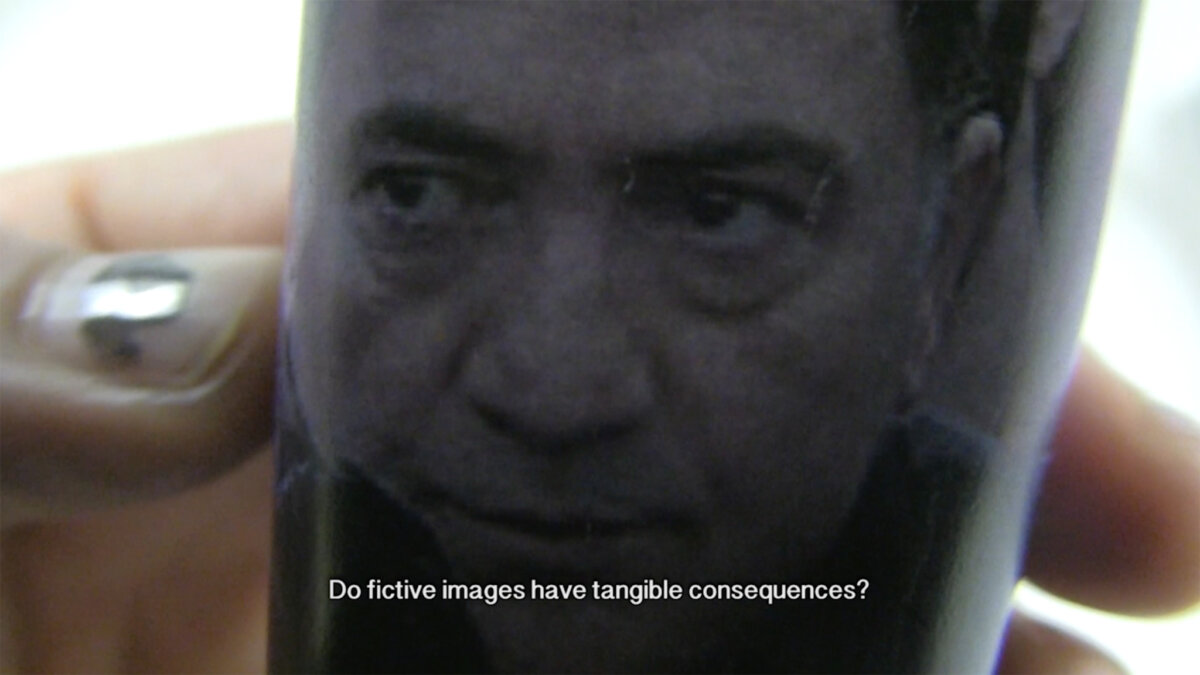
The September 11 attacks in 2001 and the ensuing wars in Afghanistan and Iraq are historical ruptures that transformed everyday life in many parts of the world. Images of the mass media representation of 9/11 that settled in collective memory, not only in the US, were addressed in a transmediale.04 screening that included White Balance (to think is to forget differences) by Colombian artist François Bucher. The replay of Bucher’s video essay provides an anchor, in form and content, for this film program about cultural stereotypes, racial profiling, state-sanctioned violence, and censorship in the arts. In this context, the practice of photographing and filming faces and the self-reflexive engagement with identity and language play an essential role in highlighting both the impossible boundary between fact and fiction and the power of unquestioned assumptions and perspectives.
...Om, John Smith, UK 1986, 4'. Your Blood is as Red as Mine, Julika Rudelius, NL 2004, 16'. White Balance (to think is to forget differences), François Bucher, US 2002, 32'. House of Women, Michelle Williams Gamaker, UK 2017, 14'. Ayhan and me, belit sağ, NL/TR 2016, 14'.
Die Anschläge des 11. September 2001 und die daraufhin begonnenen Kriege in Afghanistan und im Irak markieren historische Einschnitte, die das Alltagsleben in weiten Teilen der Welt nachhaltig veränderten. Der massenmedialen Repräsentation von 9/11, dessen Bilder sich im kollektiven Gedächtnis nicht nur der USA festgesetzt haben, widmete die transmediale.04 ein Screening, unter anderem mit White Balance (to think is to forget differences) des kolumbianischen Künstlers François Bucher. Die Wiederaufführung von Buchers Videoessay bildet einen inhaltlichen wie formalen Ankerpunkt für dieses Filmprogramm über kulturelle Stereotype und Racial Profiling, staatlich sanktionierte Gewalt und Zensur in der Kunst. Dabei spielen die Praxis des Fotografierens und Filmens von Gesichtern und die selbstreflexive Auseinandersetzung mit Identität und Sprache eine wesentliche Rolle, um die unmögliche Grenze zwischen Fakt und Fiktion sowie die Wirkmacht unhinterfragter Annahmen und Sichtweisen vor Augen zu führen.