| Tagline: | festival for art and digital culture |
|---|---|
| Venues: | Embassy of Canada, Haus der Kulturen der Welt (HKW) |
| Date: | 29.01 – 03.02.2013 |
| Organisation: | Kulturprojekte Berlin GmbH |
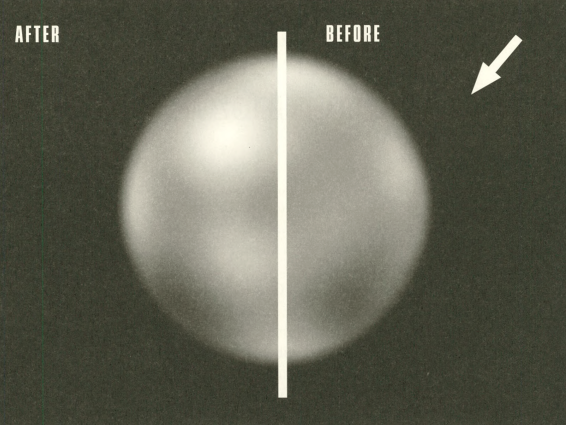
Back When Mobile phones were dumb. Letters traveled by pneumatic air. Tweeting was for birds. Users were chatting on the Minitel. ICQ beat IRC. Xerox challenged the Thermofax. YouTube was just another Web 2 start-up. Fax was the new Telex. You were calling up Bulletin Board Systems. Only university students were using facebooks. History had ended. We had nine planets. Pluto Was a Planet
The net jargon acronym BWPWAP – Back When Pluto Was a Planet is an expression used whenever one wants to talk about things in our recent past that have changed quickly. On August 24th, 2006, at the closing ceremony of their general assembly, the International Astronomical Union infamously voted in favour of “demoting” Pluto from its planetary status. transmediale 2013 suggested that this classification crisis, spurred on by new technologies and shifting knowledge paradigms, opens up a rich space of cultural negotiation and artistic intervention.
festival theme
On August 24th, 2006, at the closing ceremony of their general assembly, the International Astronomical Union infamously voted in favor of “demoting” Pluto from its planetary status. Now, even if officially Pluto is no longer a planet, for many people it remains one nevertheless. The reason behind Pluto’s demotion largely depended on new technologies of observation and along with them, a reformulation of the definition of what a planet is. So from nine planets, we now officially have eight planets in the solar system. So what is Pluto? A dwarf planet, a plutoid, a planet, a mythological ruler of the underworld, a cartoon dog. More than these possible definitions, in the context of transmediale 2013, Pluto stands for the introduction of an element that is generating crisis: its fluctuating and contested identity confirms the reformulation of established knowledge categories. The vote to “de-planetize” Pluto was, however, not popular with everyone. Complaints were heard from astronomers unable to attend the 2006 meeting and a broad public response erupted, with rap songs like “Bring Back Pluto,” T-shirts and bumper stickers protesting the vote, computer games such as “Pluto Strikes Back,” YouTube videos depicting Pluto for planet demonstrations. The list of popular and user-culture responses goes on. And then there is the net jargon acronym BWPWAP – Back When Pluto Was a Planet, used to describe things in the past or things that do not conform to established standards of knowledge.
transmediale 2013 suggests that this classification crisis, spurred on by new technologies and shifting knowledge paradigms, opens up a rich space of cultural negotiation and artistic intervention. The significance of Pluto does not, in the end, have so much to do with the definition of what a planet really is or is not. Instead, the story of Pluto is about our cultural situation: how technological development and new knowledge paradigms change our cultural imaginaries. However, resistance to Pluto’s demotion shows that this techno-scientific world is also a highly contested one. At transmediale 2013, you are invited to further contest the apparently given, through a program that re-enacts not-so-distant pasts and half-forgotten places, exploring unrealistic and poetic modes of cultural critique—as if BWPWAP.
The program follows four threads: Users, Networks, Paper and Desire. The Users thread explores the user as one of the most important figures occupying the 21st century cultural landscape: adopting a broad perspective which includes a historical look at user cultures' development in consumer society and cybernetics, as well as the changing roles of the user. In Networks we ask what it means when networks are BWPWAP, when (social) networks have become a pervasive part of daily life and have contributed in changing the way we create friendships and connections. The Paper thread traces the history of paper as a transcendent cultural form and its various artistic appropriations from Mail Art and visual poetry to electronic literature and beyond. In the Desire thread, we look at how critical reflections on sexuality and pornography can inform digital culture and politics of the present, by creating juxtapositions, decompositions, fragments and unexpected combinations as forms of queer expression.
festival catalog preface
For its 26th edition, transmediale boldly goes BWPWAP - Back When Pluto Was a Planet. This does not necessarily mean entertaining nostalgia for the past. On the contrary, Pluto and its reclassification is taken as a metaphor for how quickly cultural imaginaries can change and be contested in a world driven by parallel and shifting paradigms. It is not so long ago when Pluto was still officially counted as a planet: 2006 to be precise. Yet, in terms of media hype and social, economic and political development, the days of Pluto already seem part of a bygone era. Think about financial bubbles, social networking services, political leaders and a life before smartphones (or communication before e-mail). At transmediale 2013, we are interested in retrieving perspectives that today may seem out of place within consensual views of technology and society, but which up until fairly recently, did not seem so improbable. BWPWAP suggests a methodology of looking backwards in order to cast a critical eye on the present and in doing so reformulating cultural practices for a less prescribed and more explorative sense of the possible.
In one of the most ambitious editions of the festival yet, we present no less than three exhibitions and a five-day conference, workshop, screening and performance program. Additionally, the all-year platform, “resource transmedial culture berlin” has contributed to the creation of three large installation and performance projects.
To help visitors navigate this extensive program, we developed four threads that are each explored through BWPWAP methodology: Users, Networks, Paper and Desire. Just like the debates on Pluto and its possible definitions, these threads re-classify the standard festival event taxonomy and offer an alternative roadmap to the festival program.
In 2004, back when Pluto was indeed still a planet, the German Federal Cultural Foundation generously included transmediale in its five-year funding program. In 2011, re-classification of Pluto notwithstanding, the foundation decided to extend funding for another five years. The importance of the continuity granted by this funding structure is reflected in the festival’s curatorial strategy. Since the beginning of 2012, the transmediale team has been working together on a series of workshops stemming from a critical re-thinking of the notion of The Imaginary Museum. This discussion led to the meta-framework file_under: The Imaginary Museum, feeding into the festival program, this publication, as well as into other festivals to take place in the future.
The dynamic curatorial approach and rich program would not have been possible without other additional supporters. We are grateful to the German Federal Agency for Civic Education for their crucial support of the conference program, the Medienboard Berlin Brandenburg for their recognition of transmediale as a unique event in Berlin’s cultural life and, of course, to the Haus der Kulturen der Welt for being an extraordinary and cooperative host. A special thanks also goes out to transmediale’s technical production unit and sponsor, serve-u. This year saw not only significant support of organizations that have been part of the festival since BWPWAP, but also welcomed new collaboration with and funds from the GIZ and the EU program for European Cultural Festivals. But the most important support, as always, comes from the team, participants and audience who make the festival come alive— conjoining this time to go BWPWAP!
Kristoffer Gansing, Artistic Director
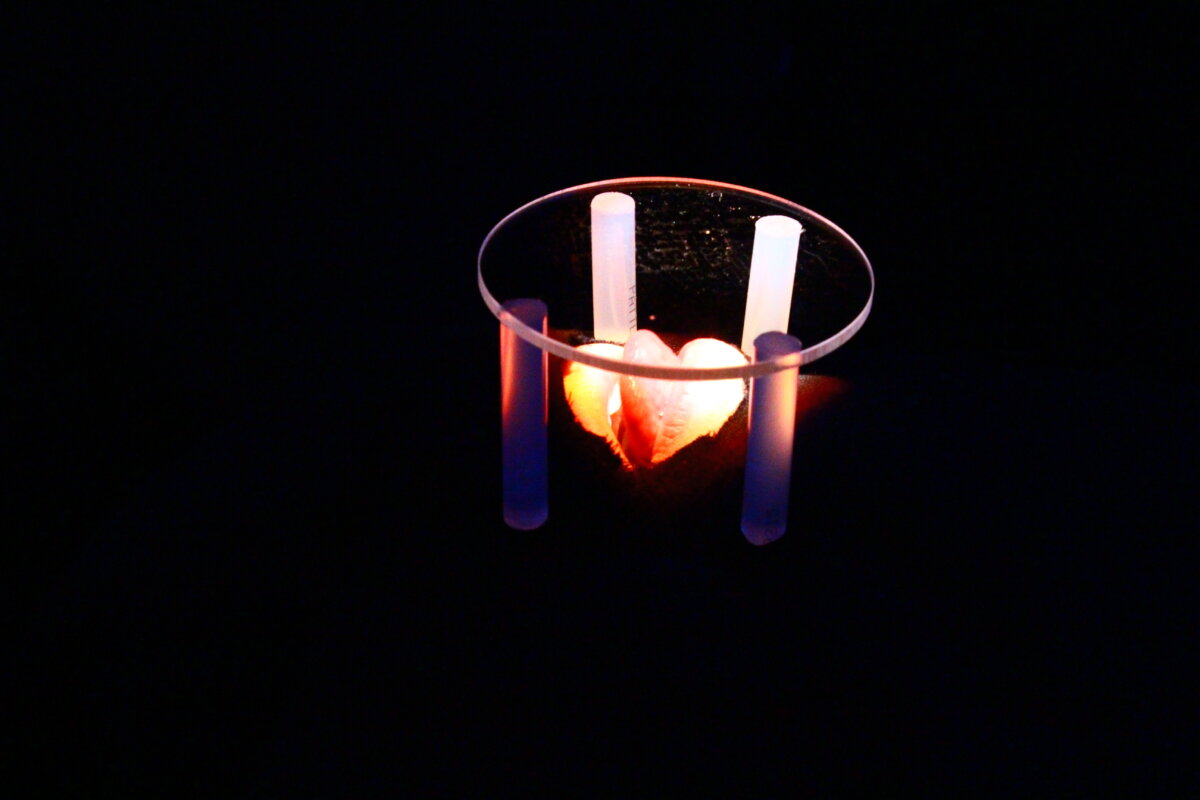
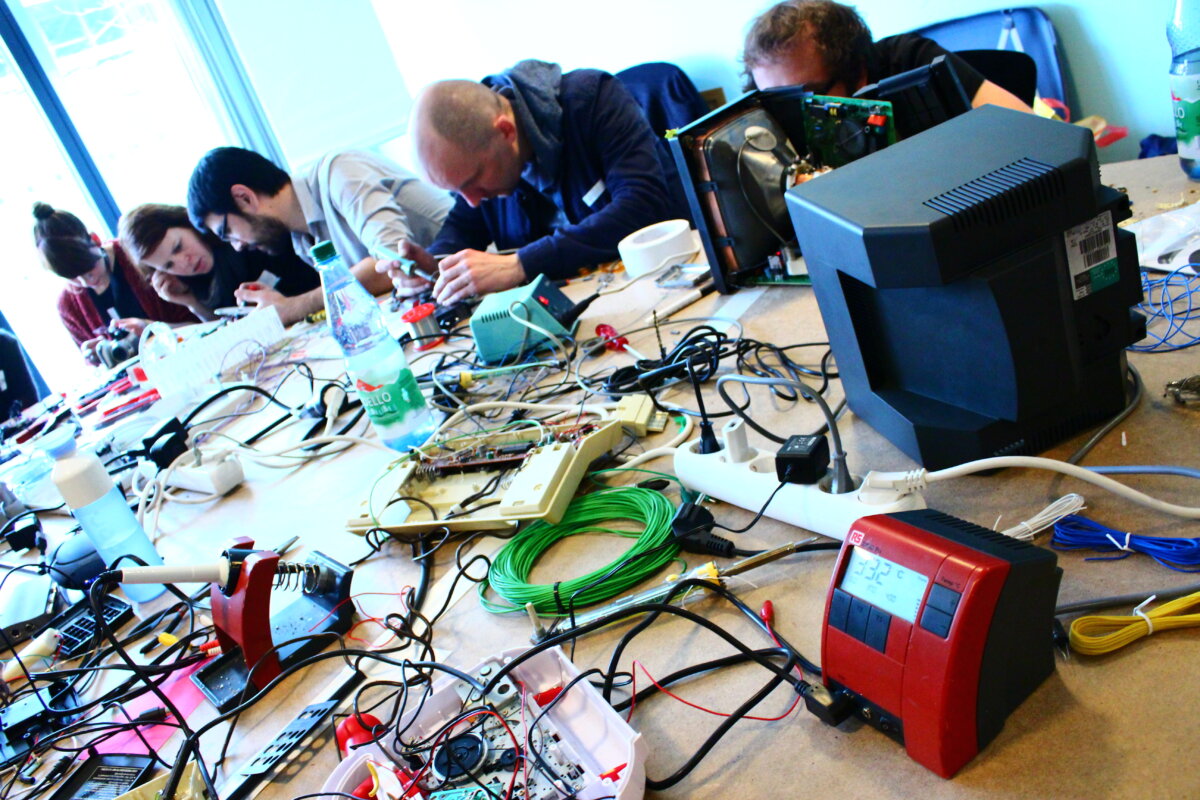
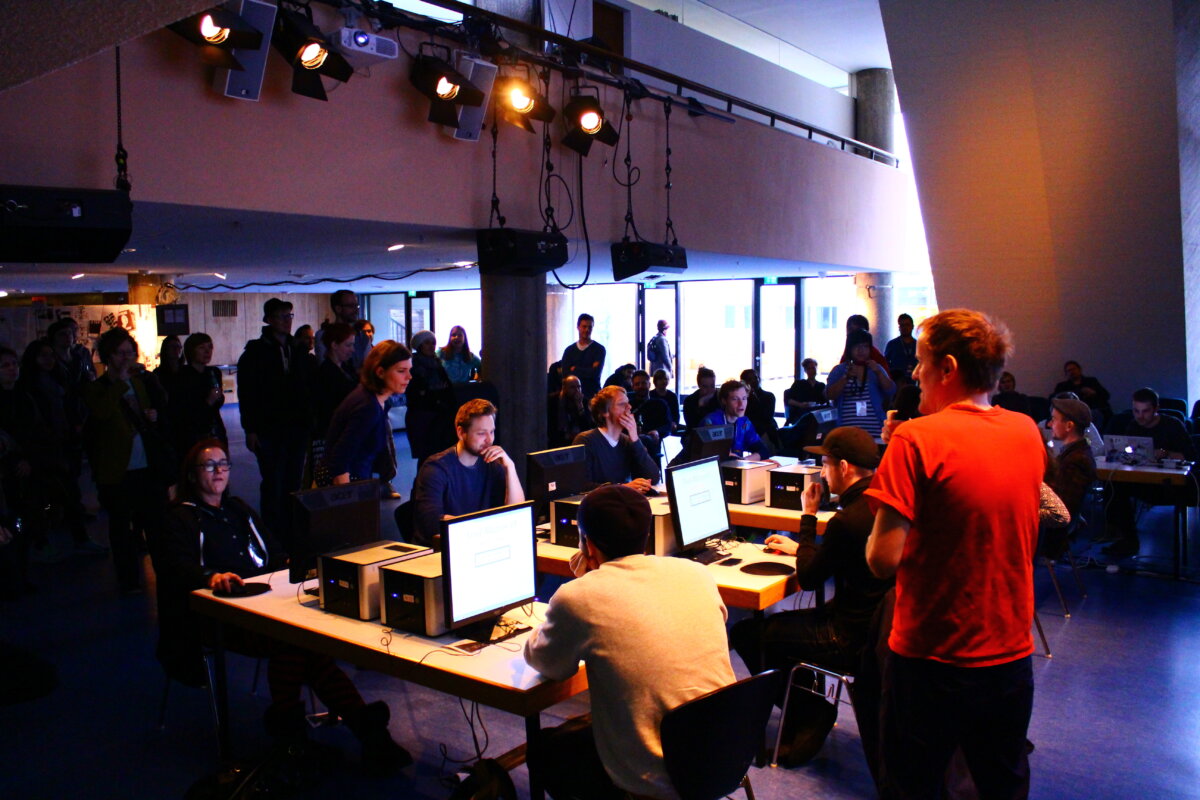
The program follows four threads: Users, Networks, Paper, and Desire. The festival will look at what these topics meant BWPWAP, what they mean today and how they might develop in the future following the sense of alternate realities that lies at the core of the theme. These threads run transversely across the different festival events and by following them, visitors can experience constant shifts of modalities and perspectives.
As with Pluto itself, these threads are “objects” in crisis. Their identity is not to be taken for granted in the post-digital age as is evident through the cultural, political and economical crises that they are all undergoing. These states of crisis are taken as opportunities for artistic intervention and reflection. In each thread, we search for new ways to engage with the histories, practices and futures of these familiar domains according to the time and place-shifting logic of BWPWAP: areas that we might have taken for granted until recently, but where we now need to learn from the past in order to intervene in the present and create new concepts for cultural practice.
At transmediale 2013, the program was ambitious: a five-day conference, three exhibitions, workshop, screening and performance program were presented. To help visitors navigate this extensive program, four threads were developed that were each explored through BWPWAP methodology: Users, Networks, Paper, and Desire. Just like the debates on Pluto and its possible definitions, these threads re-classified the standard festival event taxonomy and offered an alternative roadmap to the festival program. Through the program booklet and the BWPWAP peer reviewed newspaper, these threads can be traced.
team
Kristoffer Gansing Artistic Director/Curator Conference & Performances, Markus Huber Festival Manager, Tatiana Bazzichelli Curator Conference, Workshops & Resource Projects, Jacob Lillemose Curator Exhibition, Marcel Schwierin Curator FIlm & Video, Sibylle Kerlisch Production Manager, Phillip Sünderhauf Technical Director, Inga Seidler Project Manager Exhibition & Installations, Stefka Tsaneva Intern Exhibition, Lukas Grundmann Project Manager Performances & Workshops, Daniela Silvestrin Project Manager Conference, Georgia Nicolau resource assistant, Ruby Arrowsmith-Todd Intern Film & Video, Heiko Stubenrauch Intern Conference & resource, Helene Koekoek Event Management, Katharina Gratzl-Karnitschnig Administration, Christine Bernauer Administrative Manager & Finance, Susanne Bernstein Administrative Assistant & Fundraising Manager, Sophie Joos Infocounter Manager, Leila Weber Guest Services Manager, Filippo Gianetta Marketing & Communications Manager, Tabea Hamperl Press Manager, Maria Mouk Communication and Narration, Lina Zuppke Editorial Coordinator, Maria Lechner Intern Communication, David Jackson Sponsoring, Baruch Gottlieb, Ruth Kemper, Marieke Eilers DCA & Archive, serve-u: Phillip Sünderhauf, Andreas Buchholz, Marc Klische Technical Support, The Laboratory of Manuel Bürger: Manuel Bürger, Timm Häneke, Daiva Tubutyté Graphic Design, Alke Vierck, Yella Höpfner Art Education, raumlabor: Andrea Hofmann, Markus Bader, Florian Stirnemann Festival Architecture,** einskommanull: Laura Oldenbourg, Sebastian Göbel, Michael Scharnagl** Website Development, Alex Adriaansens, Marie-Luise Angerer, Inke Arns, Dieter Daniels, Jan Edler Advisory Board
supporters
funded by: Kulturstiftung des Bundes
in cooperation with: HKW
a project by: Kultur Projekte Berlin
with additional funding by: medienboard Berlin-brandenburg GmbH, bpb: Bundeszentrale für politische Bildung
with the support of the Culture Programme of the Europoean Union
partners and sponsors: Deutsche Gesellschaft für Internationale Zusammenarbeit (GIZ) GmbH, Infinite Opportunities | Germany + India 2011-2012, Botschaft von Kanada, Leuphana Universität Lüneburg, PML, Italienisches Kulturinstitut Berlin, Nordon Nordisk Kulturfond, werkleitz, Kunst > Danish Arts Agency, Mondriaan Stichting (Mondriaan Foundation), serve-u Technical Support, ICT PSP, AC/E Acción Cultural Española, Winchester School of Art, Embassy of Sweden, Königreich der Niederlande, CHB Collegium Hungaricum Berlin, CTM Festival
media partners: Digicult, Intro, media.net berlin-brandenburg, frieze d/e, Berliner Fenster, labkultur.tv, Berlin Art Link, t3n, neural, FLUX fm, Deutschlandradio Kultur, DE:BUG, zitty Berlin, der Freitag, taz.die tageszeitung
with the kind support of: In-Berlin, Winchester School of Art, Buchhandlung Moritzplatz, Pro qm, amiando, ocelot, Buchhandlung Stadtlichter, Motto Berlin, Dialogue Berlin, Participatory Information Technology Centre, Aarhus University, re:publica, Geier-Tronic, Experimental Media Research Group, The Media School, Bournemouth University
festival architecture
Related Programmes
- Agnieszka Kubicka-Dzieduszycka
- André Castro
- Anja Wiesinger
- Annette Knol
- Armin Medosch
- Ayumi Matsuzaka
- Bartek Korzeniowski
- Bernhard Serexhe
- Cornelia Sollfrank
- Dave Young
- Eija-Liisa Ahtila
- Eleanor Greenhalgh
- Georg Russegger
- Gerhard Schwehm
- Giacomo Verde
- Gívan Belá
- Hortensia Völckers
- Karl Klomp
- Lioudmila Voropai
- Lisa Messeri
- Maja Smrekar
- Marcel Schwierin
- Marta Ponsa
- Mike Brown
- Peter Edwards
- Peter Zorn
- Rasa Smite and Raitis Smits
- Simon Worthington
- Simona Lodi
- Soenke Zehle
- Stéphanie Vilayphiou
- Tatiana Bazzichelli
- The Beautiful Zeros and Ugly Ones
- Tikul
- Tom Verbruggen (toktek)