since 2012
The annual PhD workshop was initiated in 2012 as a collaboration of Aarhus University, transmediale, and varying partner organisations. It provides a forum for emerging researchers to enter into speculation, critique, exchange, and dialog about their research topic. The primary focus is on the participants’ individual research projects, as well fostering networks, knowledge exchange and widening dissemination.
The workshop theme is usually inspired by the respective transmediale theme of the year; it aims to reflect on and extend the subject matter at hand. Workshop participants take part in closed seminars and talks at varying partner institutions as well as public presentations at transmediale festival in Berlin. There is also an emphasis on publication: workshop participants contribute to APRJA_, a printed peer-reviewed journal/newspaper with an associated open access online platform .
Reflecting on how current networked, technological environments are designing, capturing, and capitalising on ways of being social.
research theme
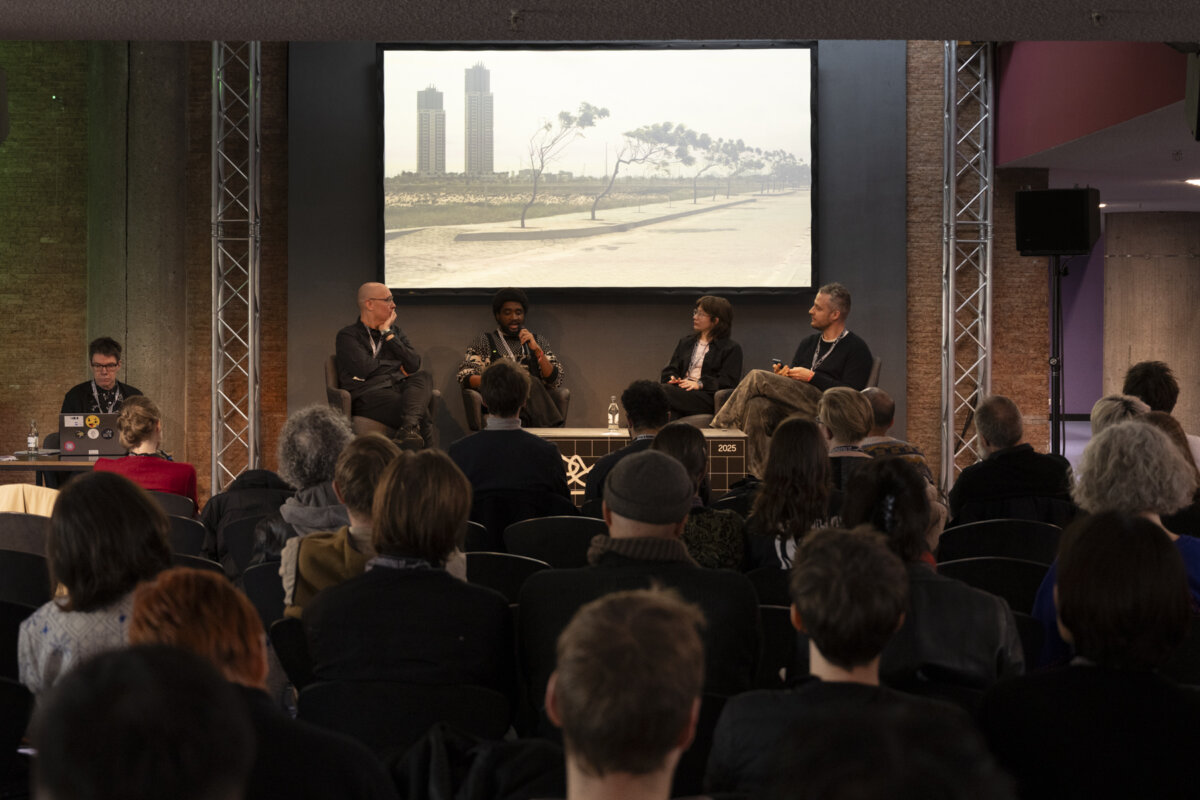
In response to transmediale's 2025 theme, this year’s research workshop, organised by the Digital Aesthetics Research Center (Aarhus University) in collaboration with transmediale, reflected on how current networked, technological environments are designing, capturing, and capitalising on ways of being social. The workshop’s title references a quote from Uruguayan poet Cristina Peri Rossi stating painfully that, “in love as in boxing, everything is a matter of distance”. Throughout two days, the workshop led by part of the DARC team Pablo Velasco, Magdalena Tyzlik-Carver, Søren Pold, Christian Ulrik Andersen, Nicolas Maleve, and Jussi Parikka – related to the temporalities of always-on and FOMO, to the aesthetics as ways of sensing distance and proximity and to the possibilities for resistance and critique. During the festival, participants shared their work in progress in a collective presentation.
participants
Minke Nouwens, Ruben van de Ven, Megan Phipps Christoffer, Koch Andersen, Tommy Shaffer Shane, Sami Itavuori, Matīss Groskaufmanis, Maja Funke, Katya Sivers, Daria Iuriichuk, Kola Heyward-Rotimi, Nico Daleman, Paul V. Schmidt, and Maya Erin Masuda.
A Peer-Reviewed Journal About Everything is a Matter of Distance
APRJA is an open-access research journal that addresses the ever-shifting thematic frameworks of digital culture. The annual festival themes act as the point of departure for each journal issue.
If our attachment to standardised forms and formats – served to us by big tech – limit the space for political possibility and collective action, then what alternatives might be envisioned (including for research itself)?
research theme
The participants of this year’s workshop presented their reflections on ways to collapse traditional workflows of academic publishing, drawing form and content more closely together. Rooted by the interest of researchers in how technological and social forms come together, the presentations, as well as the resulting publication, invite the audience to reflect on the use and value of affective infrastructures, autonomous networks, and shared organisational processes. In support of this, the participants used ServPub, an experimental platform for research and practice on computational publishing, facilitated by In-grid, Systerserver, and Varia/CC. A collective publication, Content/Form, launched following the three-day PhD research workshop.
participants
Bilyana Palankasova, Denise Sumi, Pierre Depaz, Martyna Marciniak, Edoardo Biscossi, Anya Shchetvina, Esther Rizo Casado, Luca Cacini, Sin Yi Choi, Kendal Beynon, Mateus Domingos, Marie Naja Lauritzen Dias, Asker Bryld Staunæs, Maja Bak Herrie, Duncan Paterson, Mariana Marangoni.
A Peer-Reviewed Journal About Content/Form
APRJA is an open-access research journal that addresses the ever-shifting thematic frameworks of digital culture. The annual festival themes act as the point of departure for each journal issue.
Addressing the problems of technological scale, thinking through the potentials of 'the minor'; or what we are referring to as minor (or minority) tech – small tech that operates at human scale (more peer to peer than server-client) and stutters in its expression and application.
research theme
“There is a problem with scale”, as Anna Tsing puts it, in its connection to modernist master narratives that organise life at an increasingly globalised scale (the “bigness” of capitalism). Instead, we need to “notice” the small details and not assume these need to be scaled up to be effective. In technical fields, there is a similar problem with scale, as Big Tech dominates, with ensuing environmental damage; big computing begets big data. In contrast, what we are referring to as minor tech (like small tech), operates at a human scale (more peer-to-peer than server-client): “Small technology, smallnet and smolnet are associated with communities using alternative network infrastructures, delinking from the commercial Internet.” (Damaged Earth Catalogue )
How do the universals of technology relate to minor practices and collective action? Can scale bring together new material and cultural assemblages between humans and nonhumans, ecology, and technological infrastructure and systems?
participants
Camille Crichlow, Teodora Sinziana Fartan, Jack Wilson, Susanne Förster, Alasdair Milne, Inga Luchs, Inte Gloerich, Edoardo Lomi, Macon Holt, ooooo, vo ezn, ai carmela netîrk, nate wessalowski, Shusha Niederberger, Roel Roscam Abbing, Yasemin Keskintepe, Sasha Anikina, Sandy Yu, Mateus Domingos, Freja Kir Kirchheiner.
A Peer-Reviewed Journal About Minor Tech
APRJA is an open-access research journal that addresses the ever-shifting thematic frameworks of digital culture. The annual festival themes act as the point of departure for each journal issue.
Aiming to draw attention and criticality to the ways in which we make our research public, and the forms it takes through speedy hands-on making.
research theme
Rendering Research investigates how the rendering of research typically reinforces certain limitations of thought and action, and more specifically to what extent it is possible to exert control over ways of making things public. Participants will present initial reflections based on their ongoing research.
To engage the audience in 'the rendering of research’, it was possible to take part in collective note-taking on the theme and the presentations via an online collaborative writing pad . This served as an addition to the transmediale Telegram group chat, and allowed for more extensive thoughts, comments and ideas from the audience. (The pad is hosted by varia – a Rotterdam-based space for developing collective approaches to everyday technology)
participants
Alexandra (Sasha) Anikina, Clareese Hill, Elly Clarke, Sheung Yiu, Castillo, AMOQA (Athens Museum of Queer Arts), Malthe Stavning Erslev, Vítor Blanco-Fernández, The Re:Source Project, Ruben van de Ven, Agnès Villette, Paul Bailey, Hanna Grześkiewicz, Rachel Falconer, Lee Tzu Tung, Cassandra Collective, One Research Collective, Kyveli Mavrokordopoulou
A Peer-Reviewed Journal About Rendering Research
APRJA is an open-access research journal that addresses the ever-shifting thematic frameworks of digital culture. The annual festival themes act as the point of departure for each journal issue.
Questioning how the refusal of work and capitalistic development play out now in the context of wider struggles over autonomy today – not just in terms of labour power and class struggles; but also intersectional feminism and queer politics; race and decolonialism, geopolitics, populism, environmental concerns; and the [then] current pandemic.
research theme
Writing in 1965, Mario Tronti’s claim was that the greatest power of the working class is refusal: the refusal of work, the refusal of capitalist development, and the refusal to bargain within a capitalist framework. One can see how this "strategy of refusal" has been utilised in all sorts of instances by social movements, but how does this play out now in the context of wider struggles over autonomy - not just in terms of labour power and class struggles - but also within intersectional feminism and queer politics, race and decolonialism, geopolitics, populism, environmental concerns, and the current pandemic? In what ways does a refusal of production manifest itself in contemporary artistic, political, social, cultural, or other movements? And, how might a refusal of certain forms of production come together with a politics of care and "social closeness"? The transmediale festival announcement puts it this way: “From the small acts of refusal that reside in the mundane and everyday, to tender forms of resistance that allow us to repair collective infrastructure, transmediale 2021–22 will map out the political agency of refusal, examining its potential to form new socio-political realities grounded in care, hope, and desire.”
participants
CSNI, DARC, Bucles, Bad Bitch Link Up, Nothing Happening Here, GOVERNANCE, not working group, Logistical (B)orders , MELT
A Peer-Reviewed Journal About Research Refusal
APRJA is an open-access research journal that addresses the ever-shifting thematic frameworks of digital culture. The annual festival themes act as the point of departure for each journal issue.

By drawing on the legacies of critical and autonomous network cultures, participants discussed whether there a conceivable counter-power to networks and w hich alternative technological models and cultural narratives are needed to construct the principles of end-to-end communication anew.
research workshop
The PhD workshop Research Networks was organized by transmediale, Aarhus University, Global Emergent Media (GEM) Lab, Montréal and CSNI, London South Bank University at the Canadian Embassy in Berlin (29-30 Jan 2020) as part of transmediale 2020 End to End which aimed to deal with the pervasiveness of networks and their limits. By drawing on the legacies of critical and autonomous network cultures, contributions discuss whether there a conceivable counter-power to networks? Which alternative technological models and cultural narratives are needed to construct the principles of end-to-end communication anew? How might the critique of networks extend to non-western contexts and reflect the limits in a global canonical perspective?
participants
Sudipto Basu, Özgün Eylül İşcen, Cristina (Thorstenberg) Ribas, Giseli Vasconcellos, Rebecca Holt, Tatjana Seitz, Nicola Bozzi, Linda Kronman, Rodrigo Ochigame, Juan Pablo Pacheco, Iuliia Glushneva, Wenhao Bi, Naja Grundtmann, Wing Ki Lee, Maximilian Schlüter, Maria Dada, Adnan Hadzi, Emanuele Andreoli (Mitra Azar), and Tatiana Wells.
A Peer-Reviewed Journal About Research Networks
APRJA is an open-access research journal that addresses the ever-shifting thematic frameworks of digital culture. The annual festival themes act as the point of departure for each journal issue.
Research Networks presentation documentation
Symposium End to End
Research Networks
with PhD Workshop Participants, moderated by Christian Ulrik Andersen, Magda Tyżlik-Carver, Geoff Cox, Søren Pold, Winnie Soon.
Focusing on the ability of technologies to capture and structure feelings and experiences that are active, in flux, and situated in the present. In what ways are we to understand this resolute and concerted pursuit of feelings?
research theme
Over three days the MACHINE FEELING workshop, in response to the theme of transmediale 2019, focused on the ability of technologies to capture and structure feelings and experiences that are active, in flux, and situated in the present. In what ways are we to understand this resolute and concerted pursuit of feelings? What old registers of processing culture does it build on? What potential new sensibilities and feelings may arise in such normalized registers of our habits? What new cultural and social forms and practices emerge?
Under the title Machine Feeling, the 8th issue of APRJA followed the presentations at transmediale 2019 and the earlier workshop at CRASSH, University of Cambridge, organized by Aarhus University, transmediale, and Cambridge Digital Humanities Learning Programme, University of Cambridge.
Digital culture has become instrumental for capturing and managing what Raymond Williams would once have called “structures of feeling”. The journal issue A Peer-Reviewed Journal About Machine Feeling alludes to this, and points to a material analysis of aesthetics and culture, including its technical and social forms, and in the way that this concept was originally employed as an acknowledgment of the importance of the hard to capture dimensions of everyday life. What potential new sensibilities and structures of feeling may arise in such normalized registers of our habits? What new cultural and social forms and practices emerge in the coming together of machine learning and structures of feeling? In each their own way, the authors in this journal explore these questions.
participants
Iain Emsley, Irina Raskin, Maike Klein, Brett Zehner, Maria Dada, Tiara Roxanne, Rebecca Uliasz, Carmen Ng, Malthe Stavning Erslev, Michela De Carlo, Tanja Wiehn, Mitra Azar, Daniel Chávez Heras, Tomasz Hollanek, Rosemary Lee, Carleigh Morgan
A Peer-Reviewed Journal About Machine Feeling
APRJA is an open-access research journal that addresses the ever-shifting thematic frameworks of digital culture. The annual festival themes act as the point of departure for each journal issue.
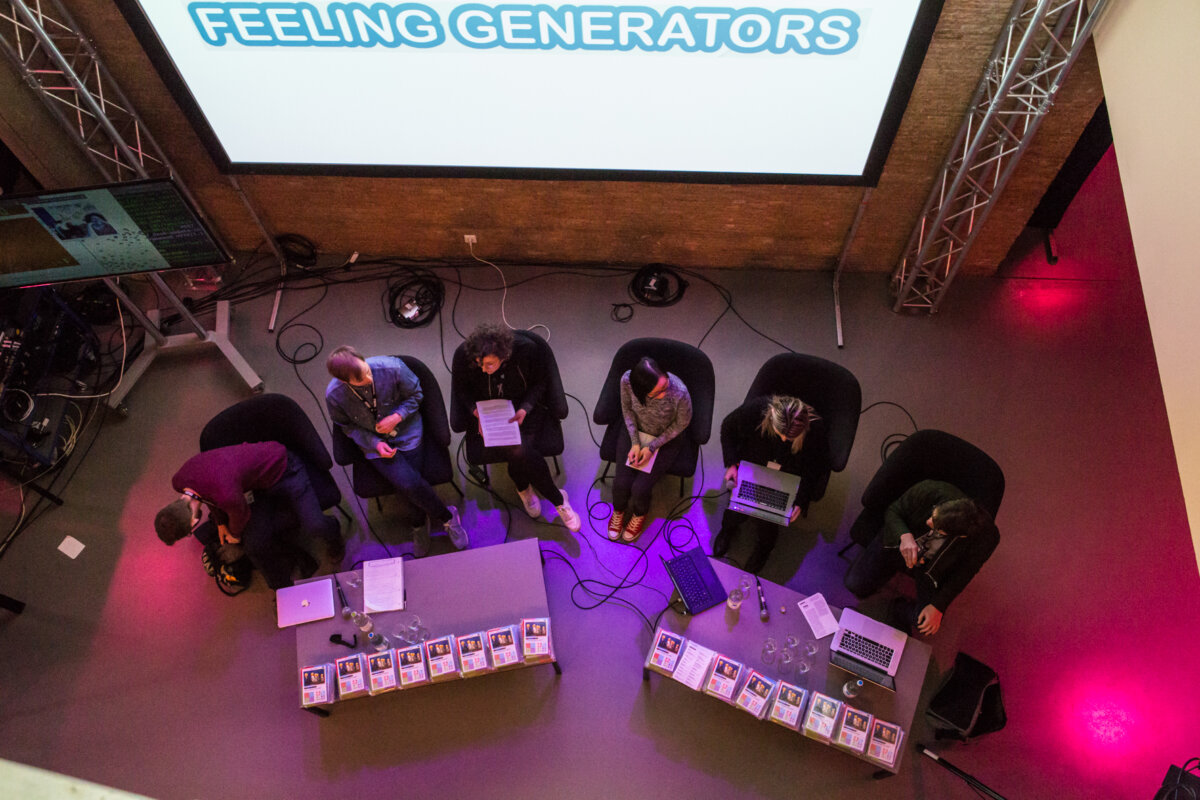
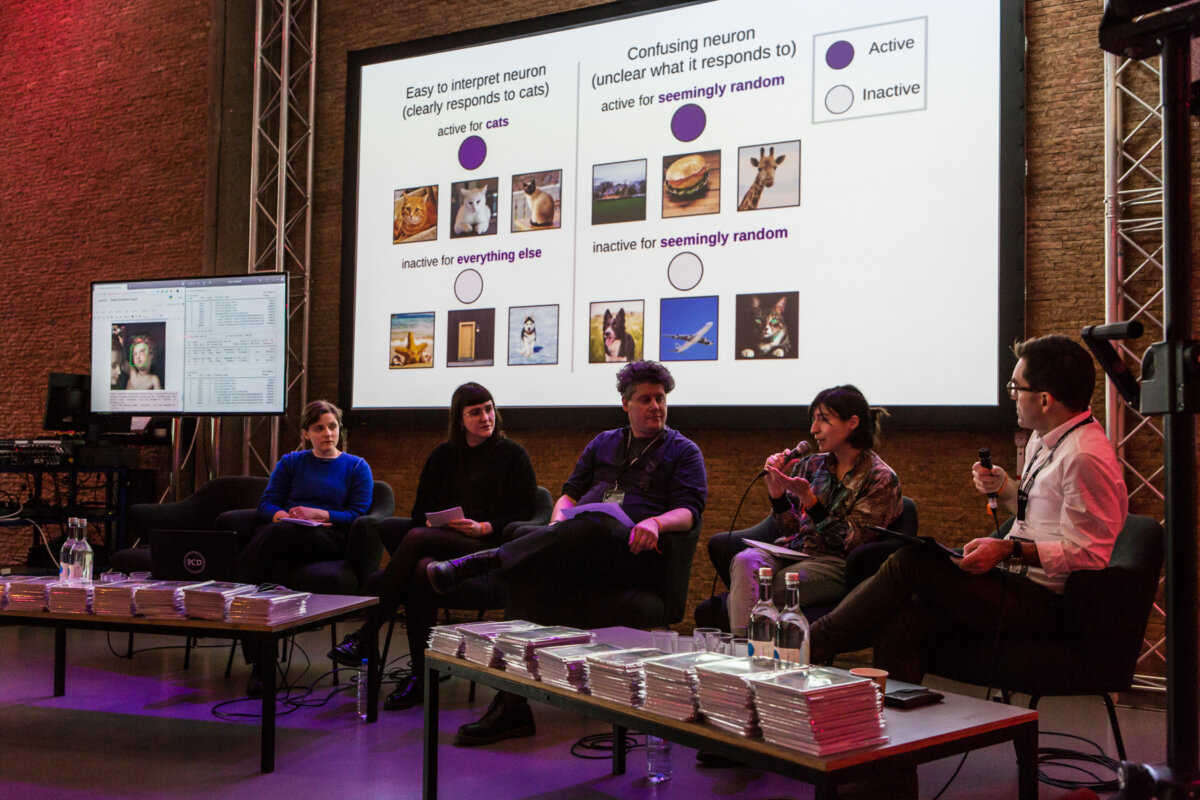
Dealing with the changing processes of valorization that qualify and quantify research.
research workshop
The PhD workshop RESEARCH VALUES was organized by transmediale, Aarhus University, and ZeM and held at the Brandenburg Center for Media Studies (ZeM) in Potsdam in the days running up the transmediale festival (29-31 Jan 2018). More specifically it addressed a number of topics (algorithmic values, datafied values, organizational values, face values, blockchain values, material values) that are all enclosed in the accompanying publication. Importantly, it also sought to engage in collaborative processes of knowledge production that included online as well as offline activities.
participants
Kim Albrecht, Emanuele Andreoli, Calum Bowden, Tega Brain, Maria Eriksson, César Escudero Andaluz & Martín Nadal, Marc Garrett, Francis Hunger, Lea Laura Michelsen, Joana Moll, Luke Munn, Dionysia Mylonaki & Panagiotis Tigas, Nelly Yaa Pinkrah, Konstanze Scheidt, Francesco Sebregondi, Pip Thornton, Ashley Lee Wong
A Peer-Reviewed Journal About Research Values
APRJA is an open-access research journal that addresses the ever-shifting thematic frameworks of digital culture. The annual festival themes act as the point of departure for each journal issue.
Research Values presentation documentation
Panel documentation
Engaging research and artistic practices that take into account the new materialist conditions implied by nonhuman techno-ecologies.
research workshop
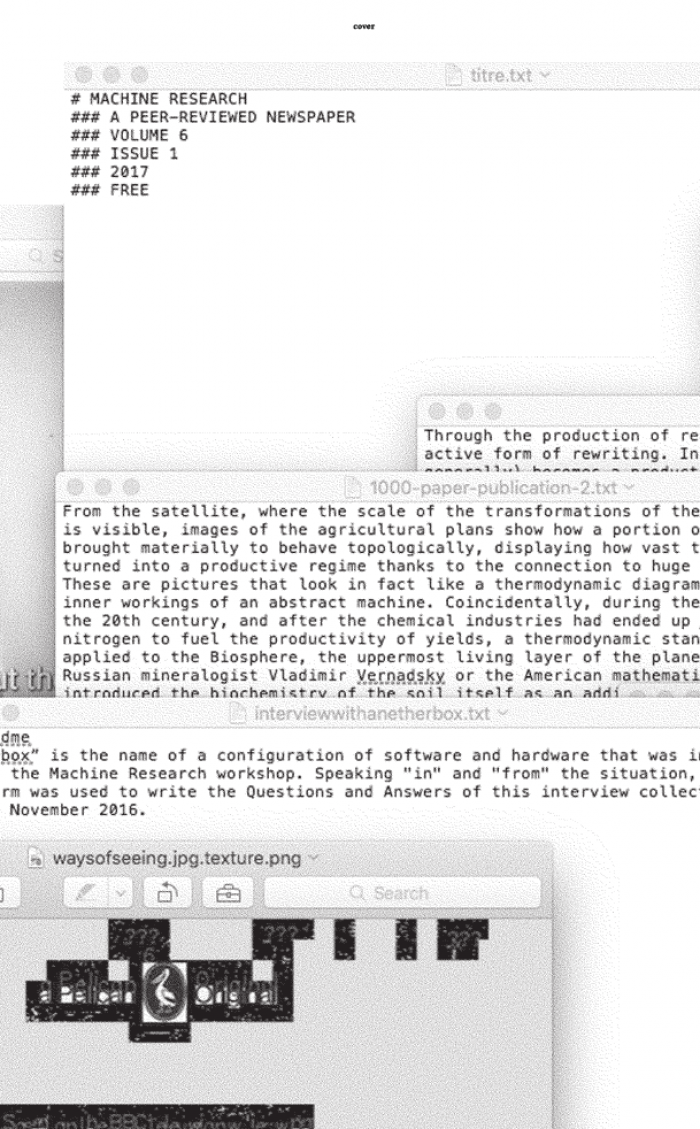
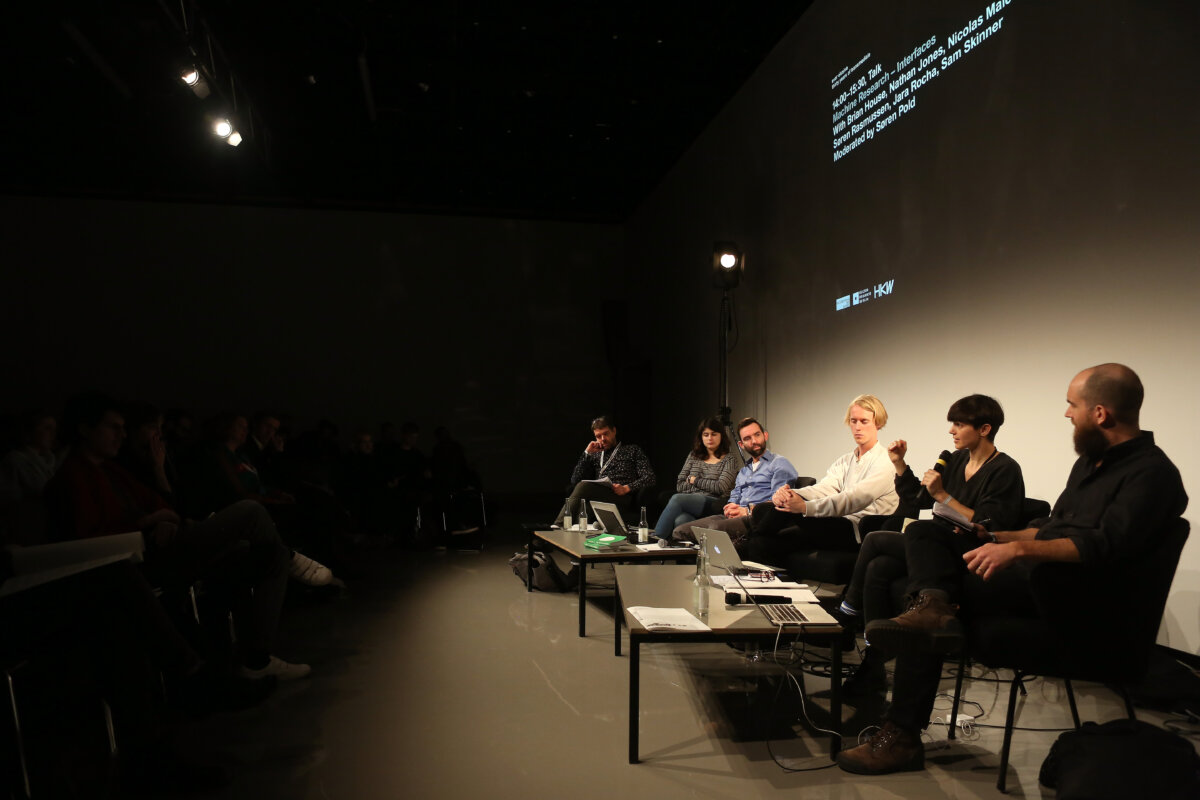
The PhD workshop MACHINE RESEARCH, organized by transmediale, Aarhus University, and Constant – Association for Arts and Media, took place from 24 to 26 October 2016 in Brussels. Its thematic focus responded to the 2017 festival edition of transmediale, ever elusive, which focused on the elusive character of media and technological change and tried to develop more nuanced perspectives on the nonhuman. The workshop aimed at engaging research and artistic practices that take into account the new materialist conditions implied by nonhuman techno-ecologies – including new ontologies of learning and intelligence (such as algorithmic learning), socio-economic organization (such as blockchain), population management and tracking (such as datafied borders), autonomous or semi-autonomous systems (such as bots or drones) and other post-anthropocentric reconsiderations of agency, materiality, and autonomy.
participants
Roel Roscam Abbing, Christian Ulrik Andersen, Geoff Cox, Daphne Dragona, Maya Ganesh, Kristoffer Gansing, Abelardo Gil-Fournier, Maja Bak Herrie, John Hill, Brian House, Nathan Jones, Nicolas Malevé, Caspar Menkman, Rosa Menkman, An Mertens, Silvia Mollicchi, Martino Morandi, Michael Murtaugh, Søren Pold, Søren Rasmussen, Renée Ridgway, Jara Rocha, Sam Skinner, Femke Snelting, and Dave Young.
A Peer-Reviewed Journal About Machine Research
APRJA is an open-access research journal that addresses the ever-shifting thematic frameworks of digital culture. The annual festival themes act as the point of departure for each journal issue.
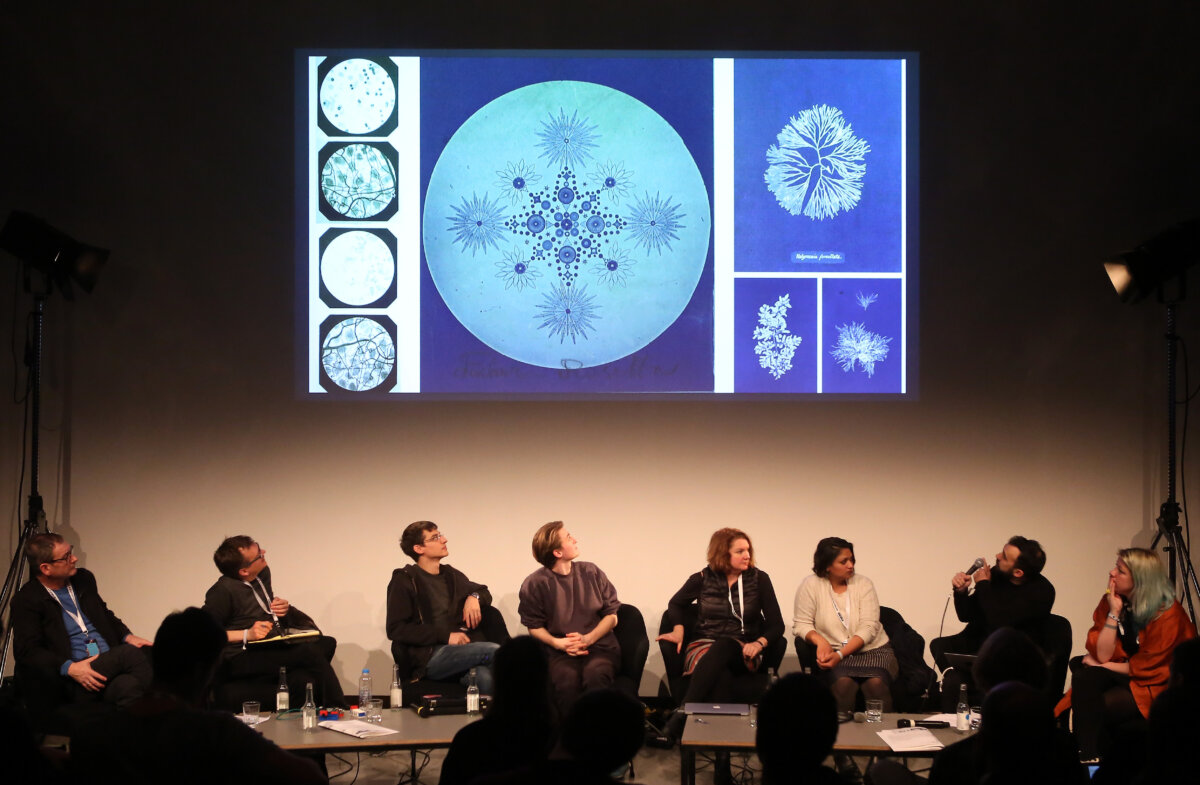
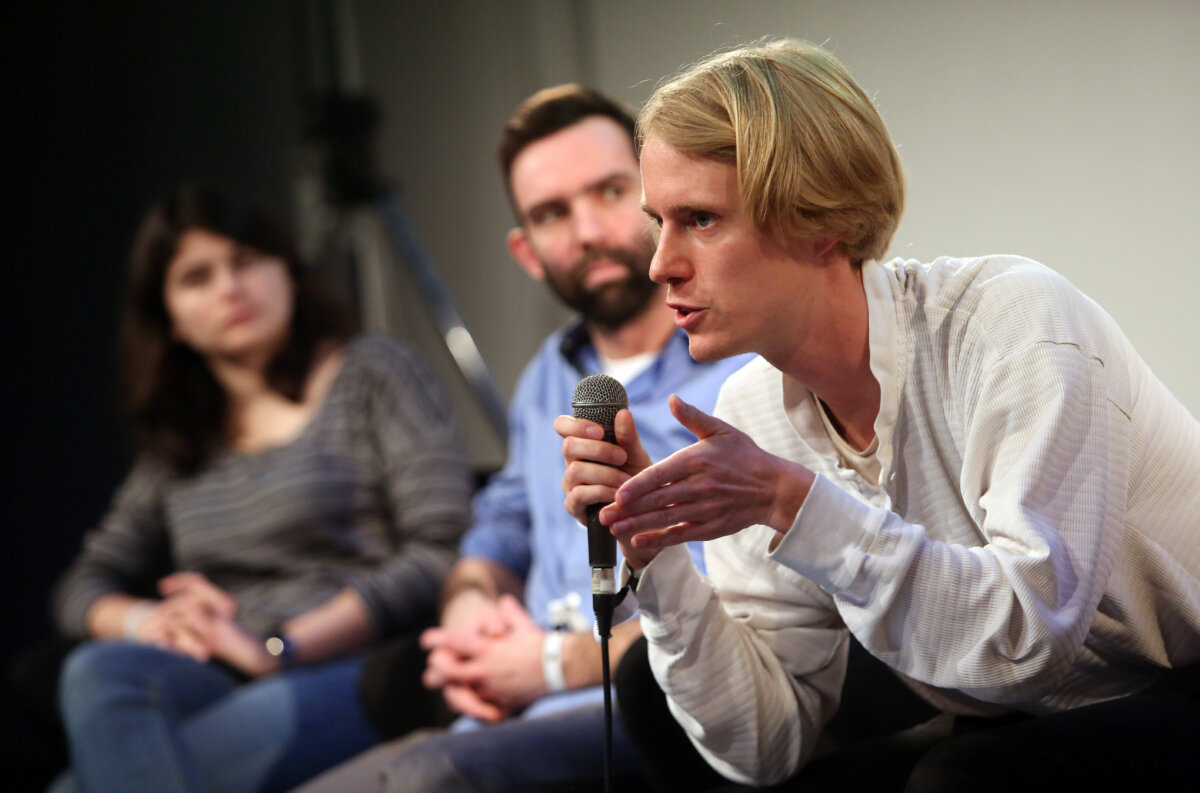
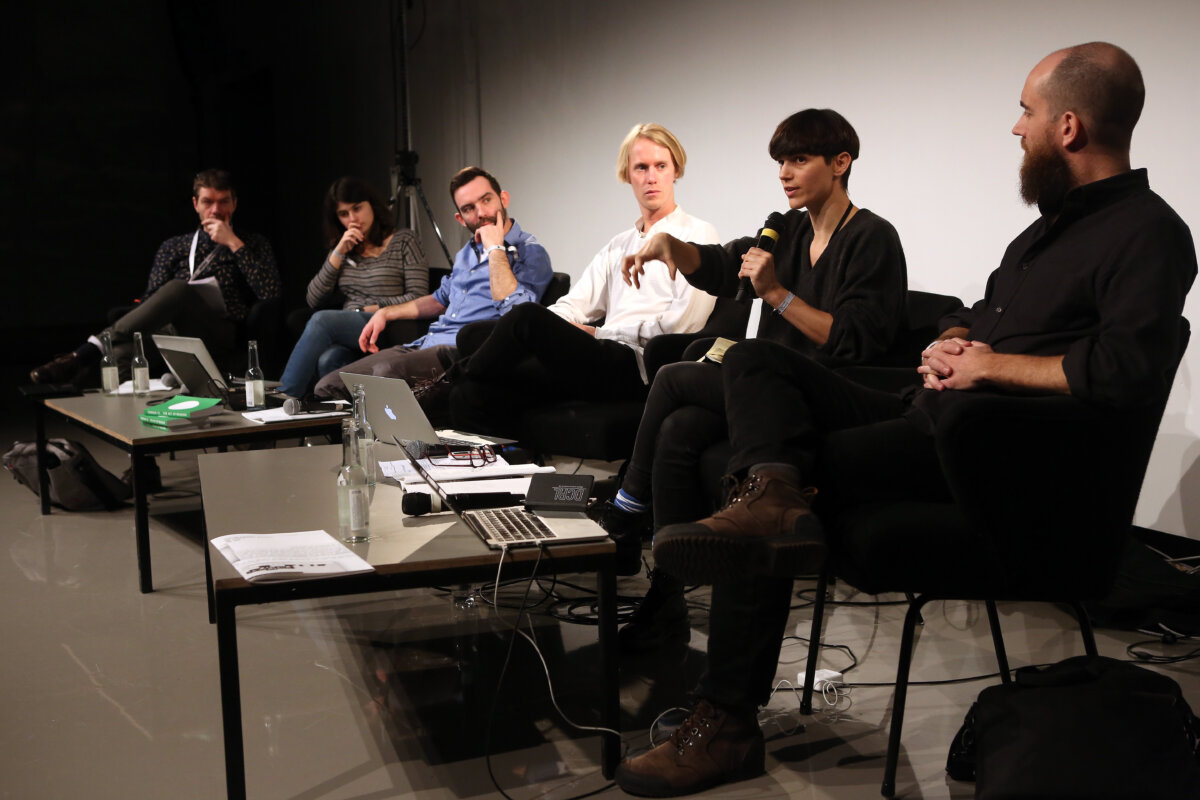
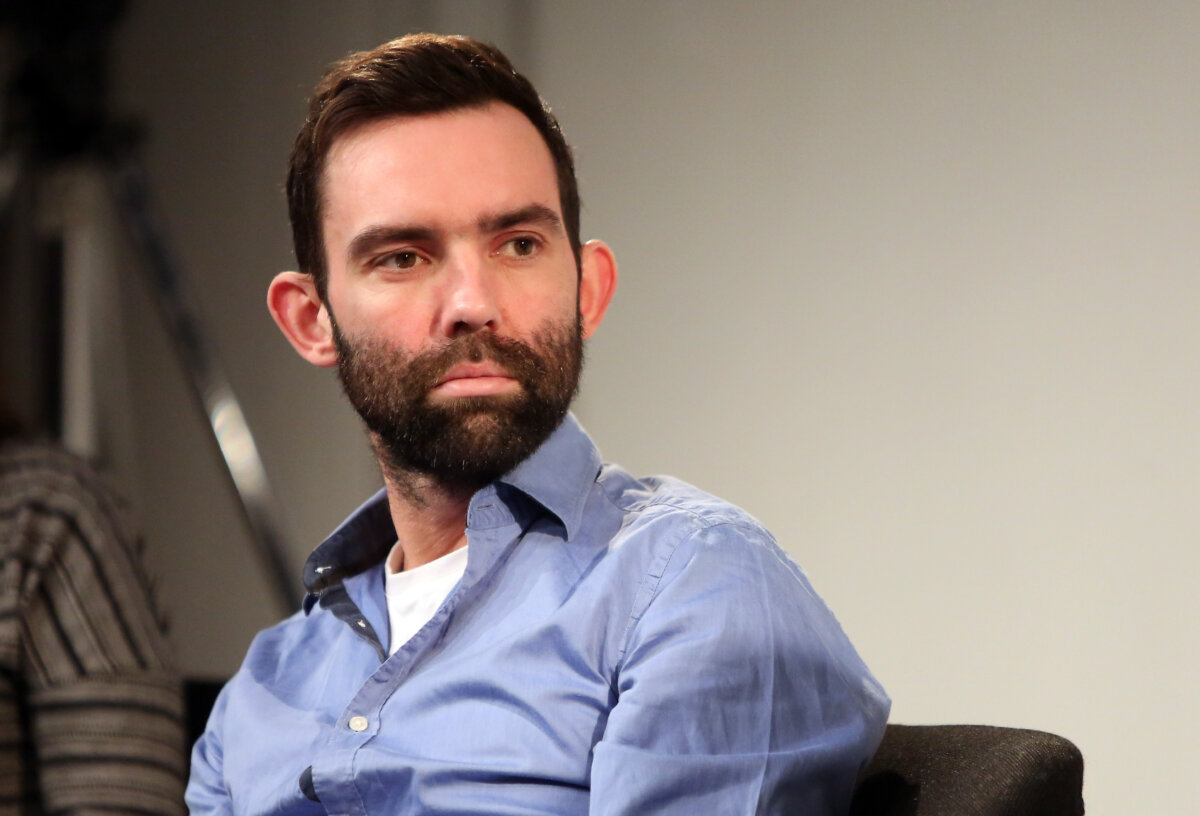
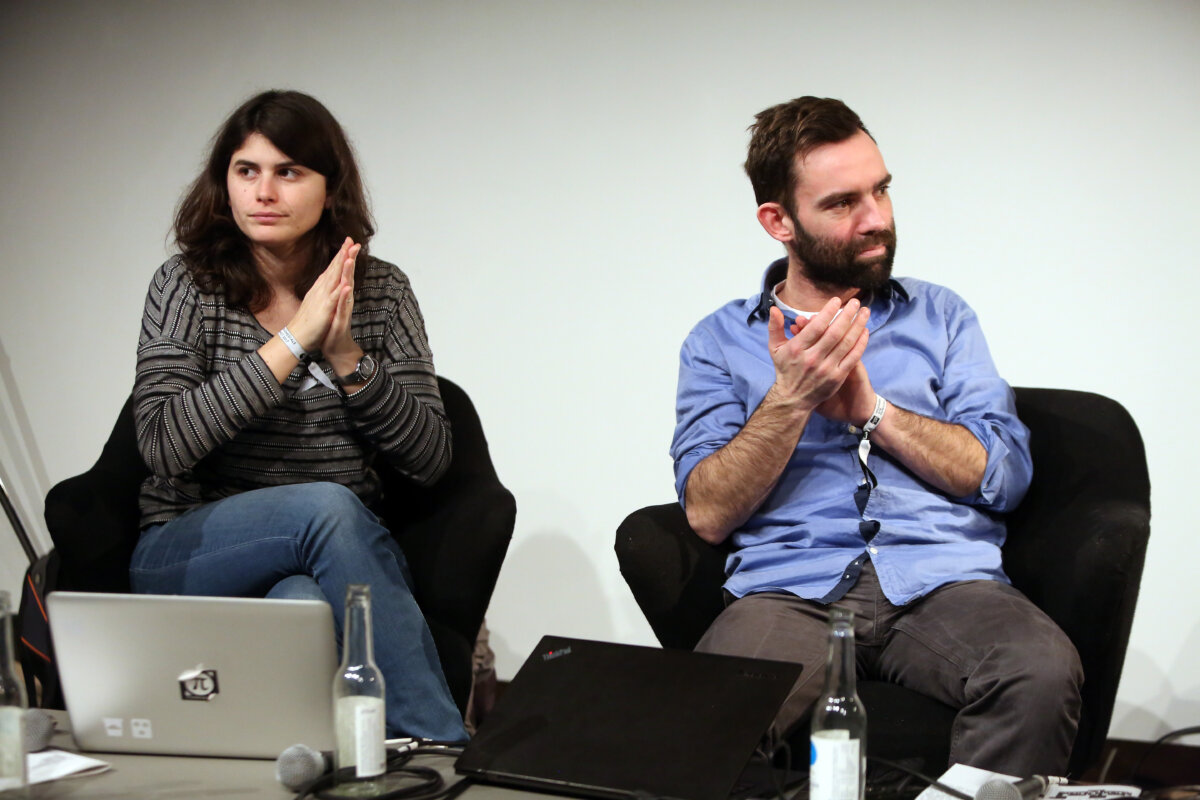
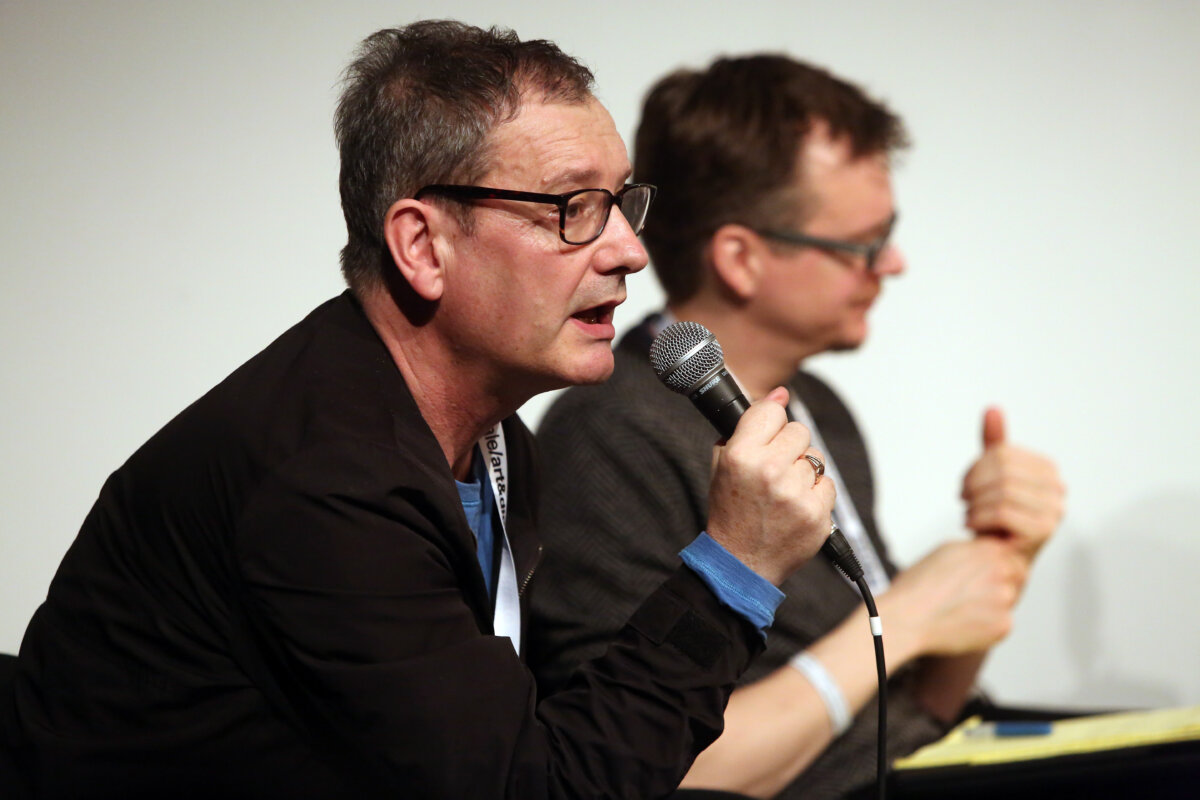
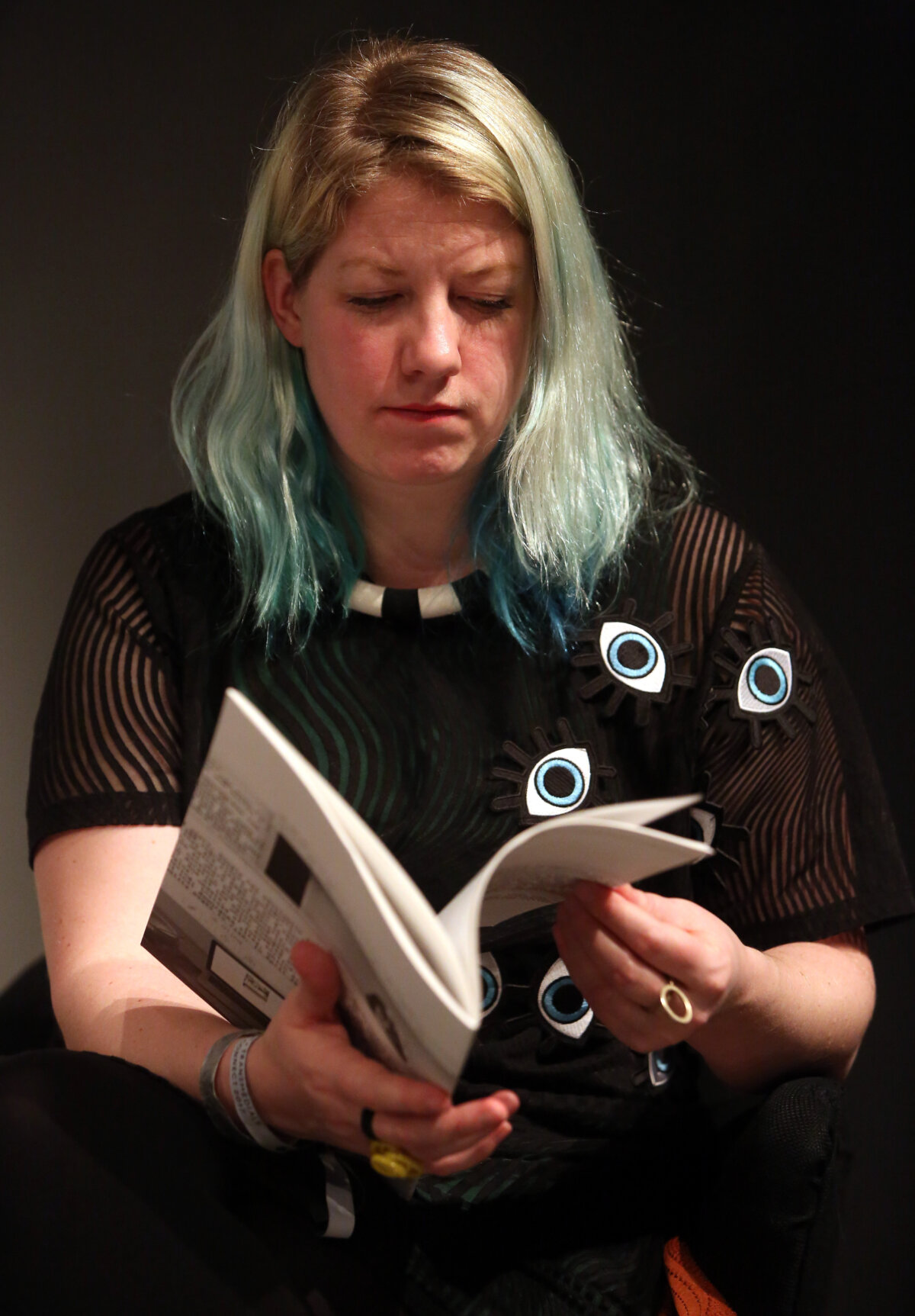
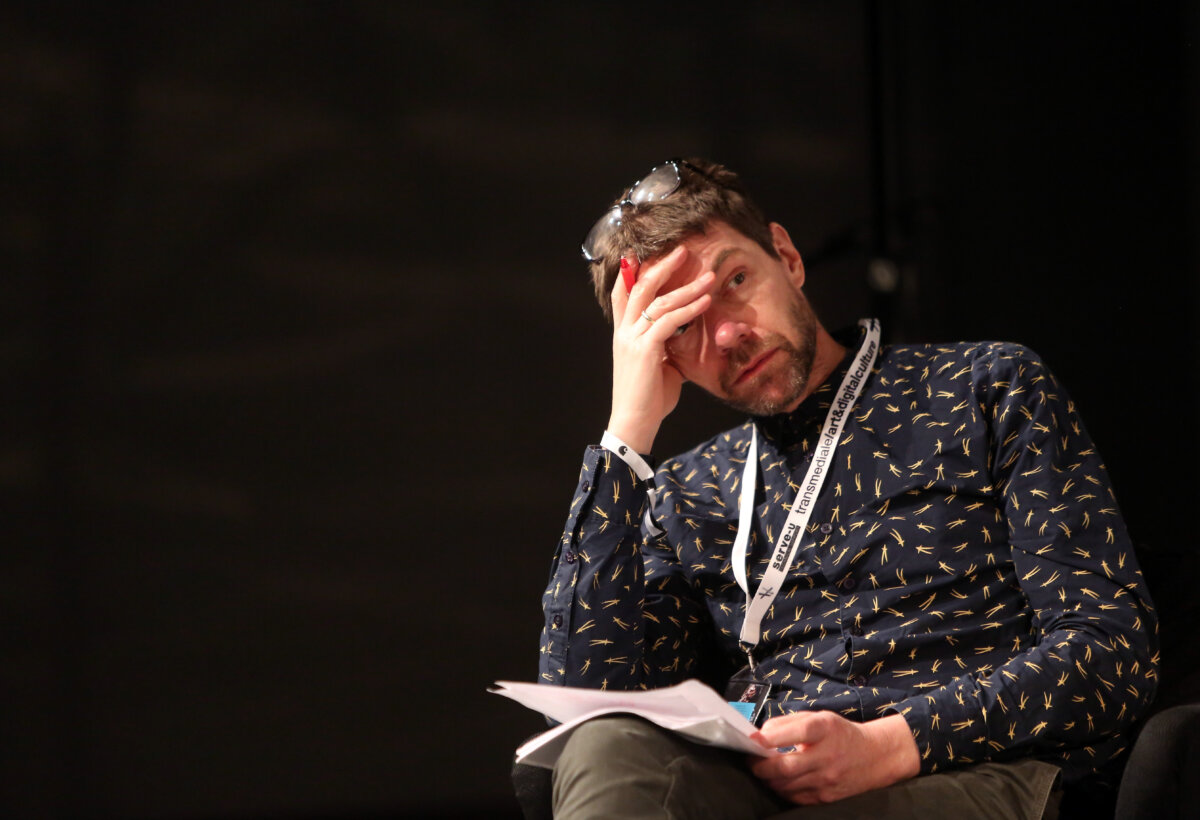
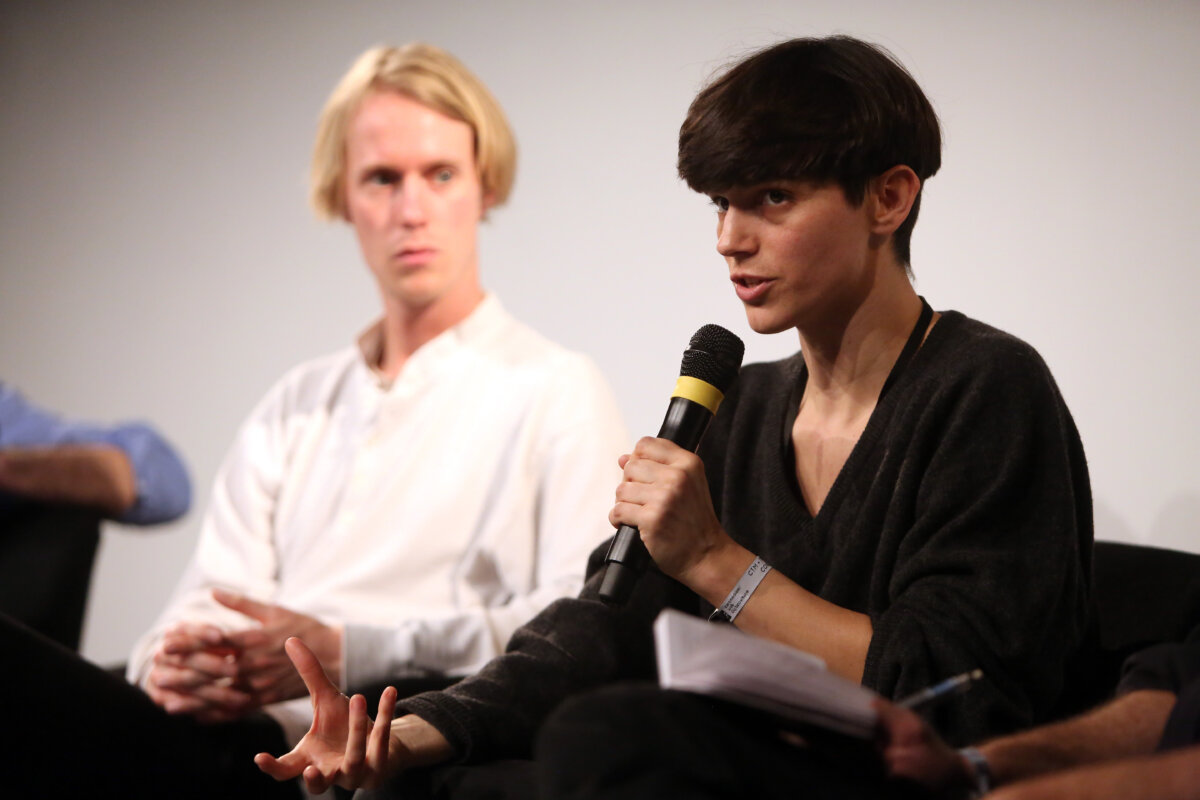
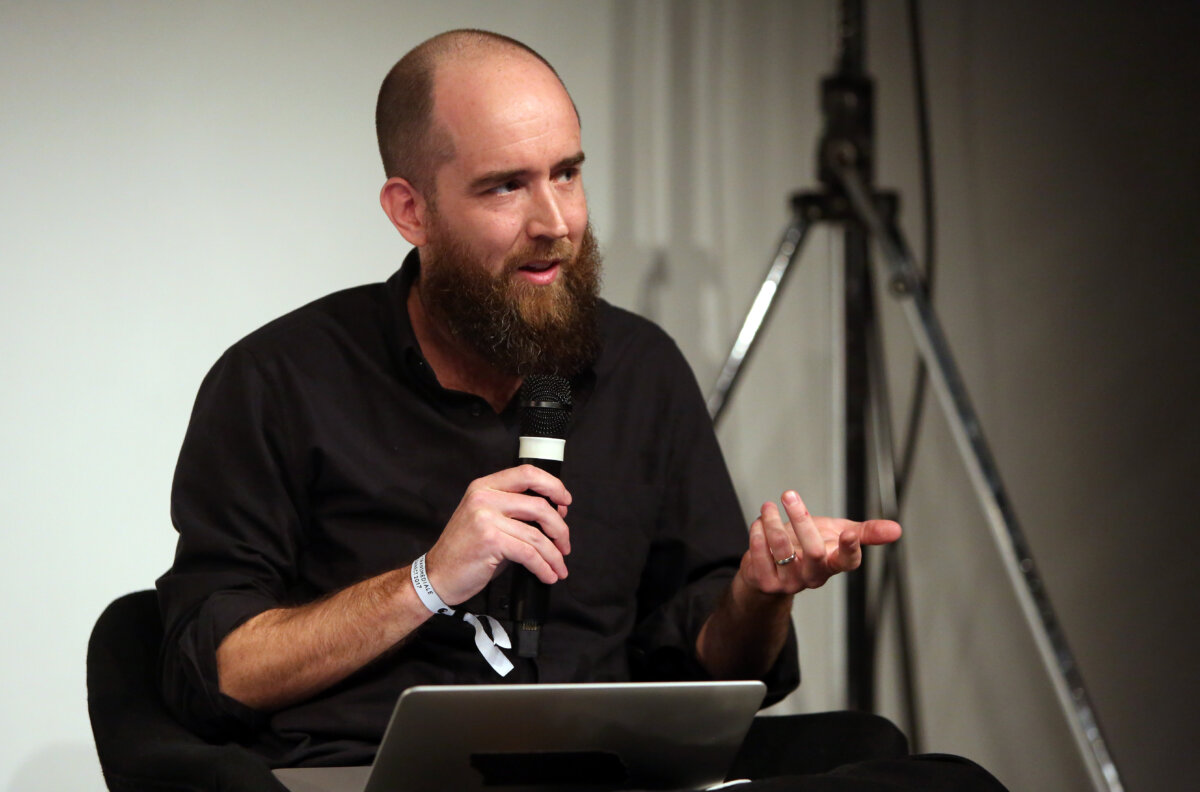
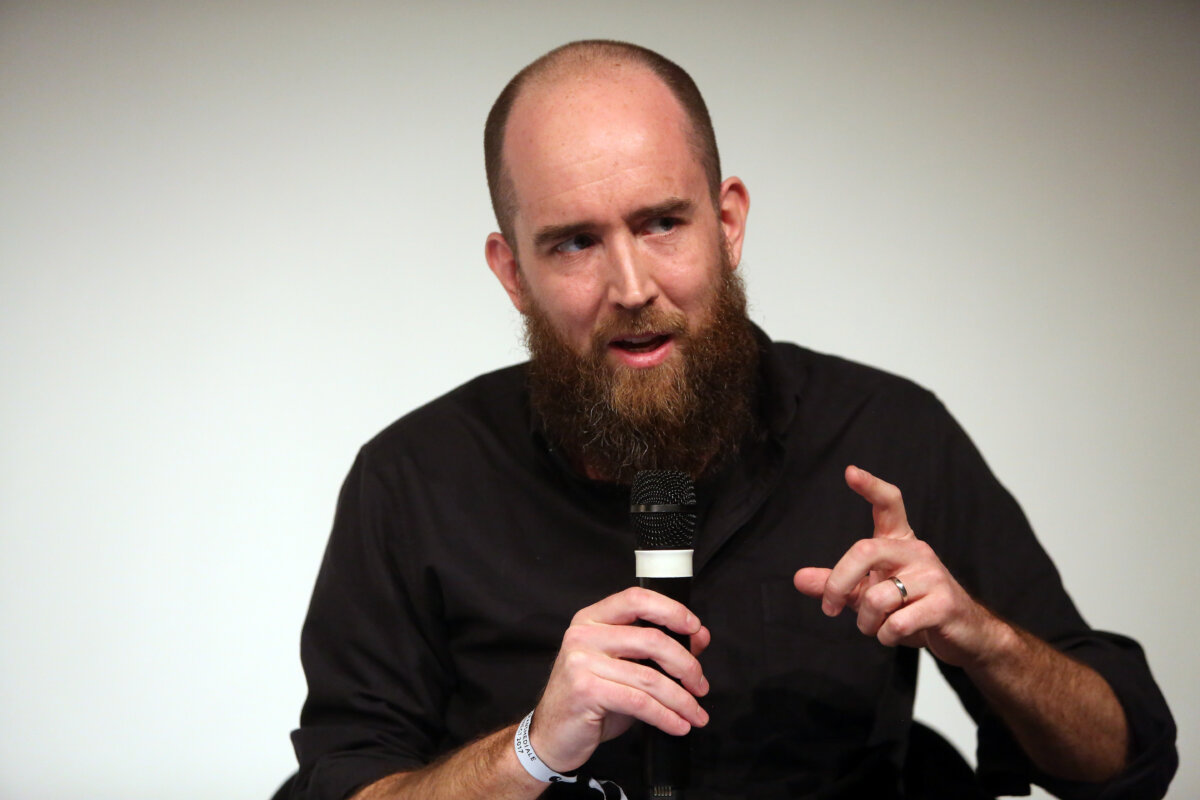
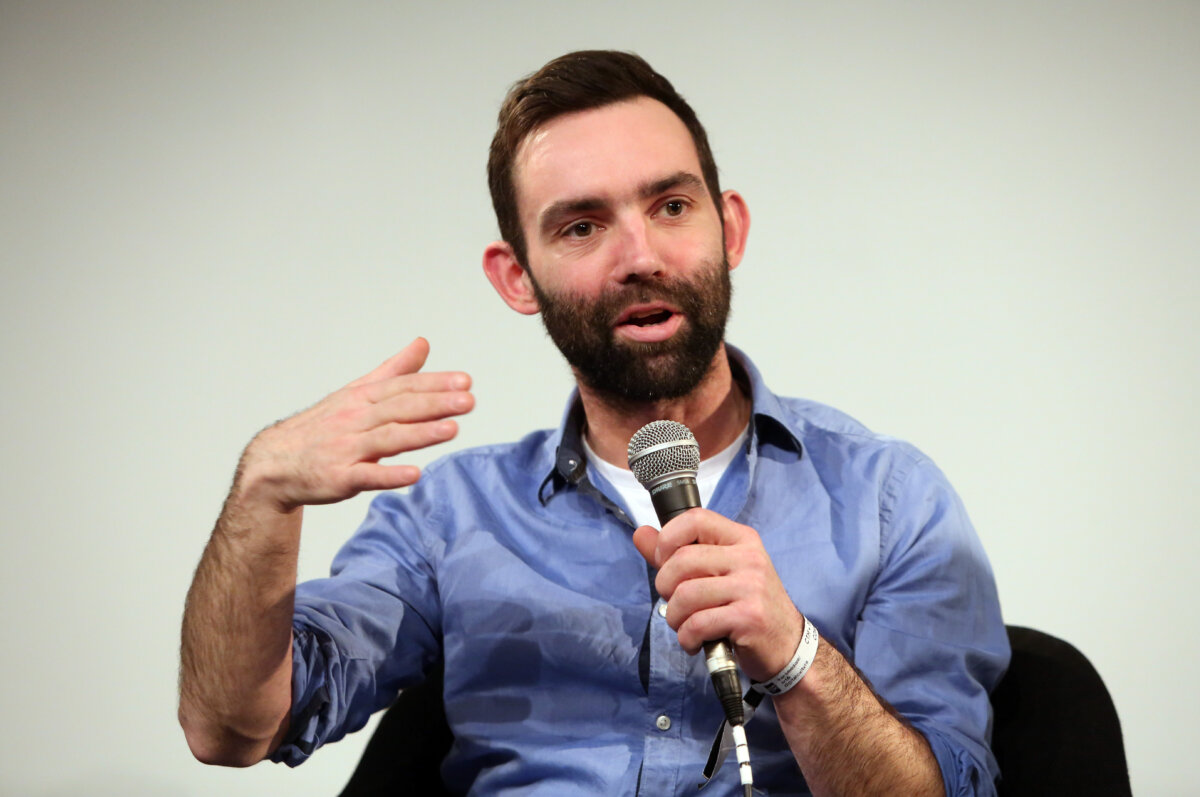
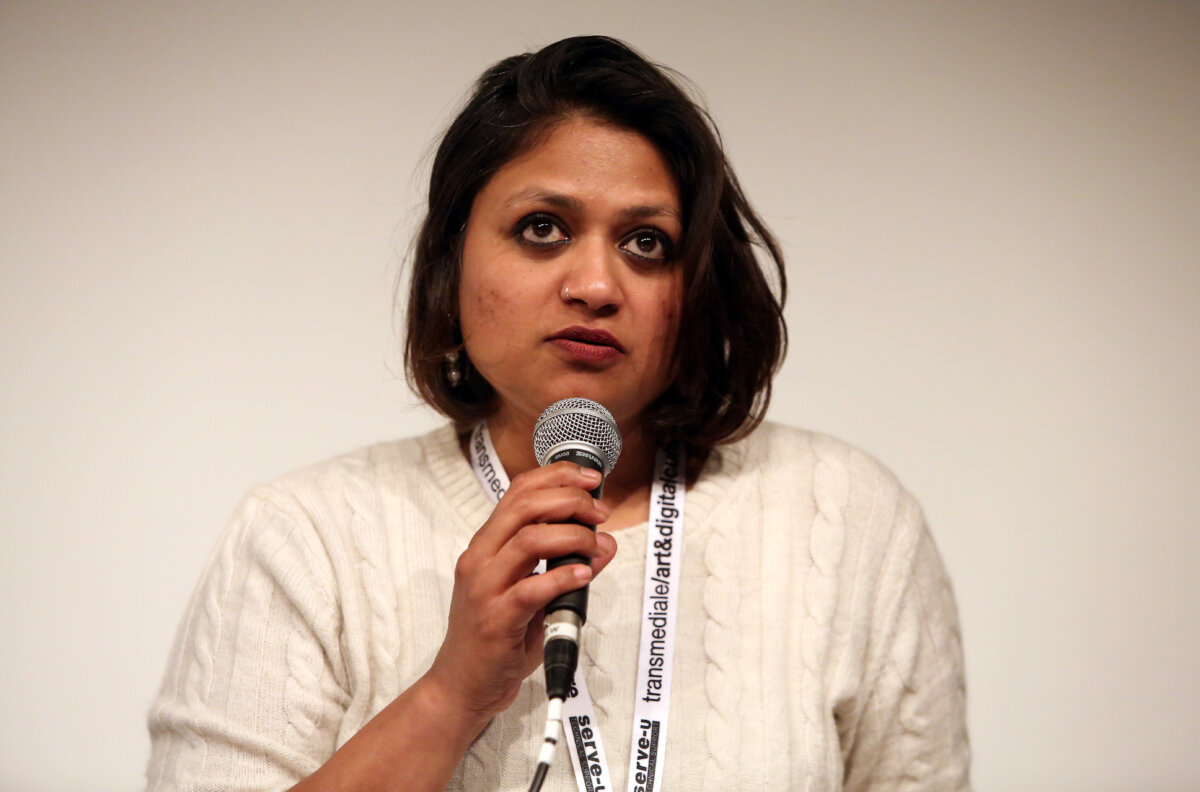
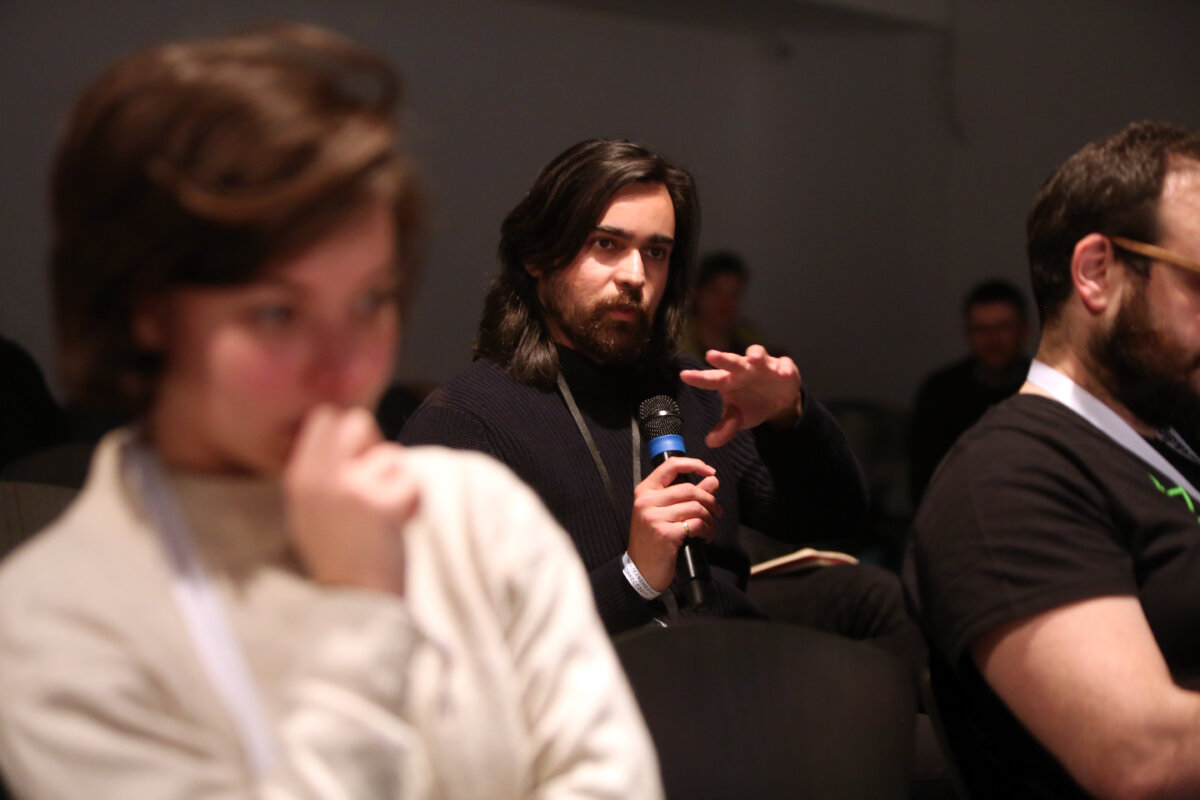
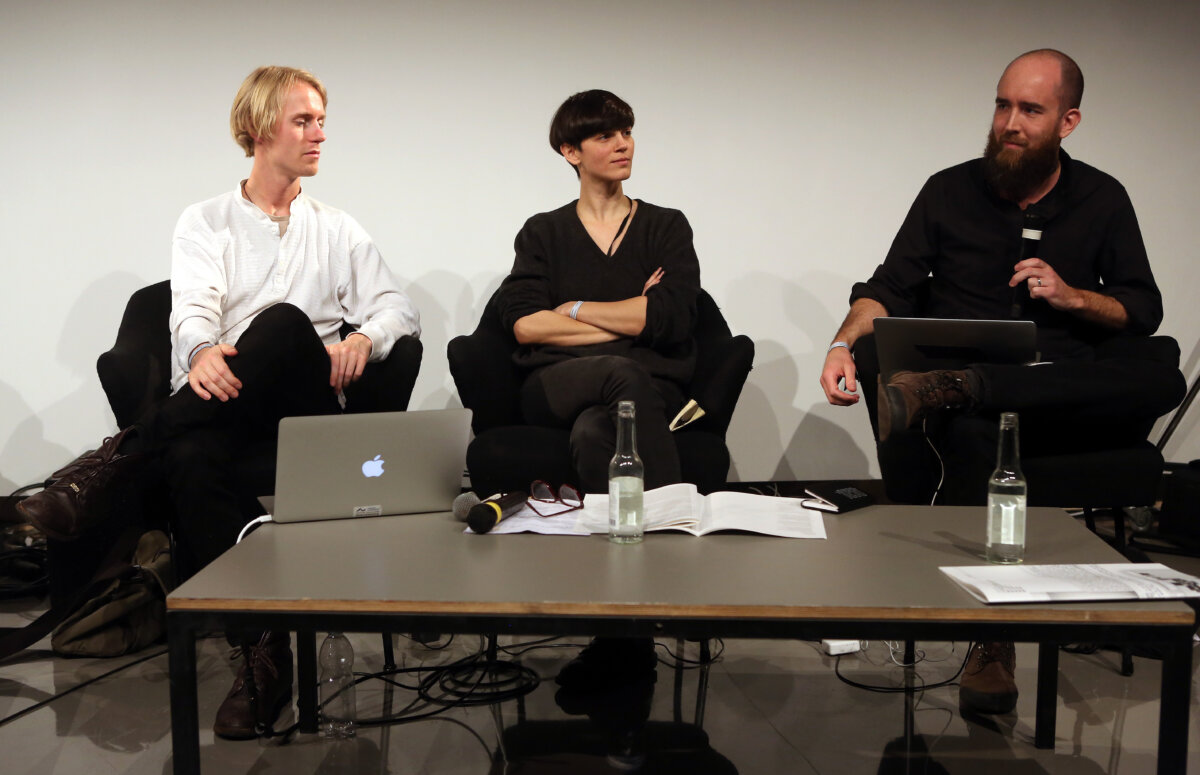
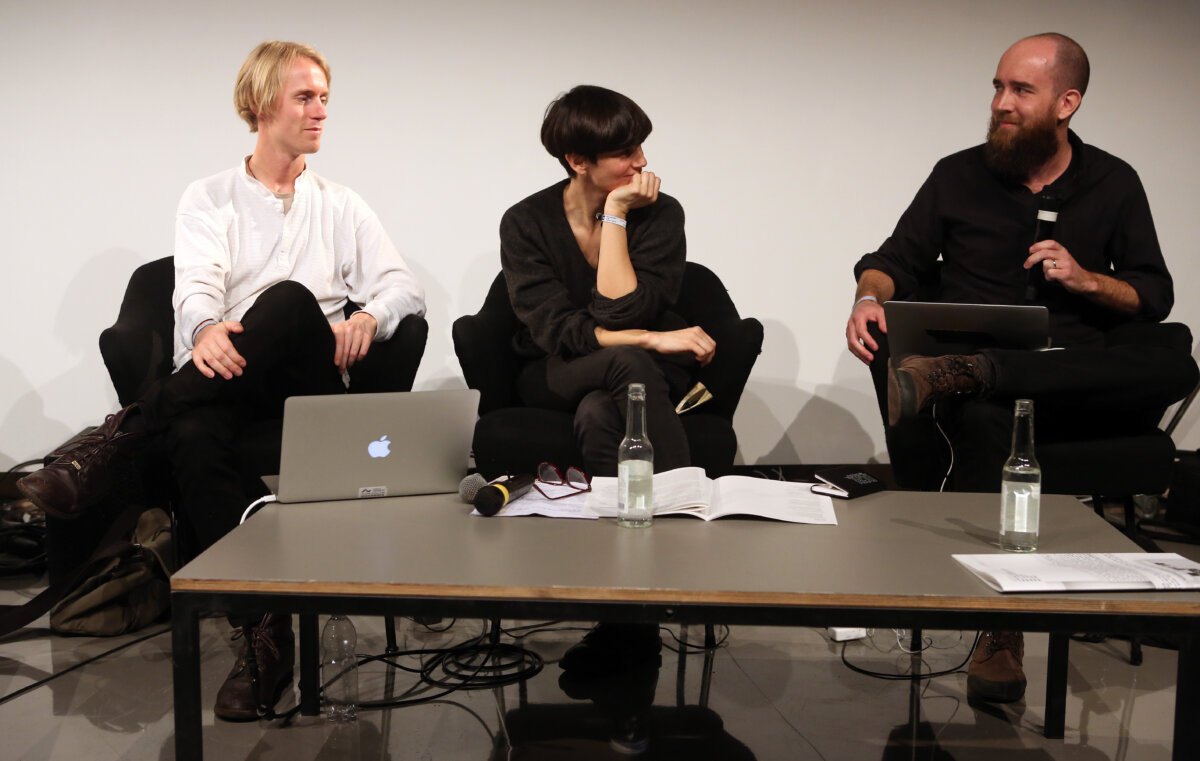
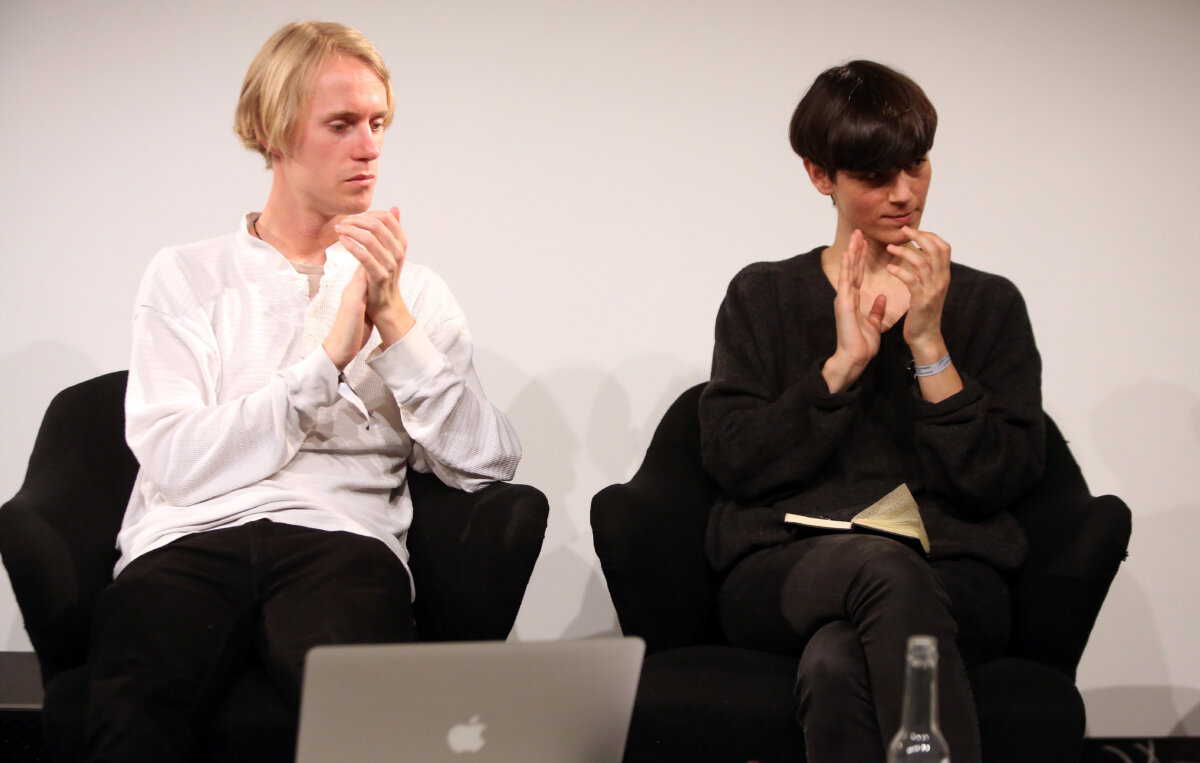
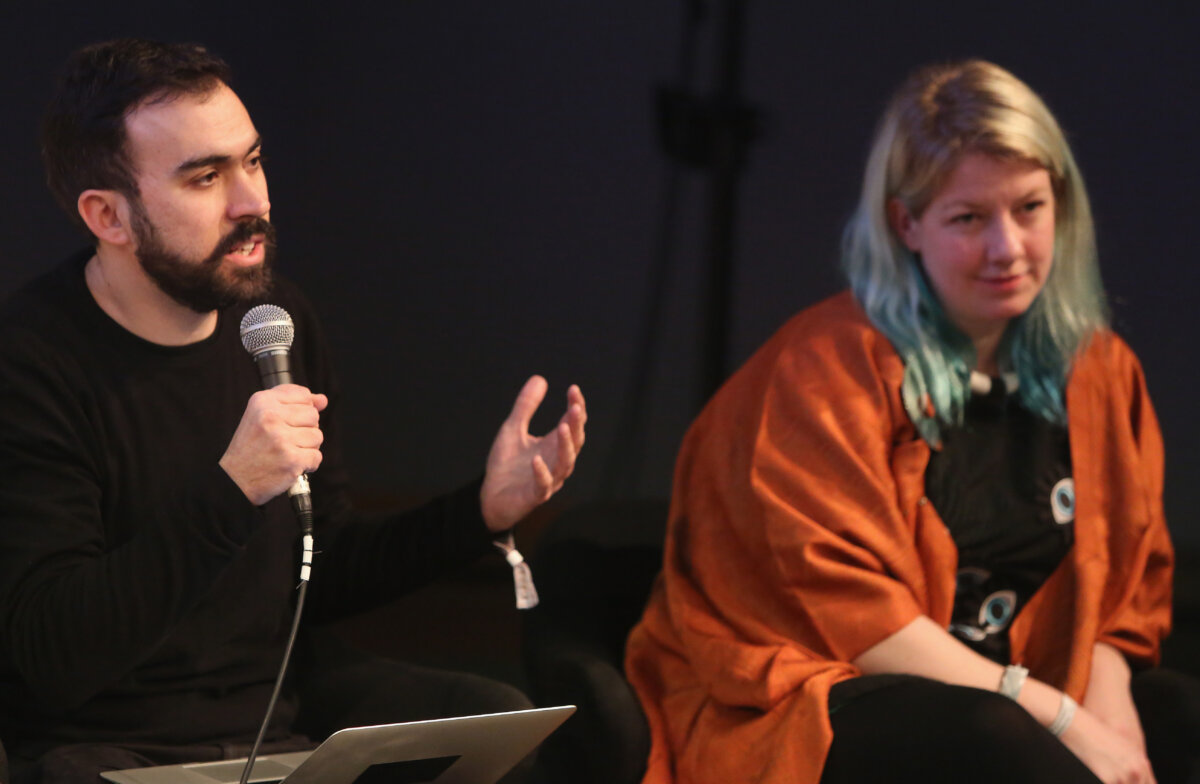
Asking what happens when research is less about exchange and more about excess.
research workshop
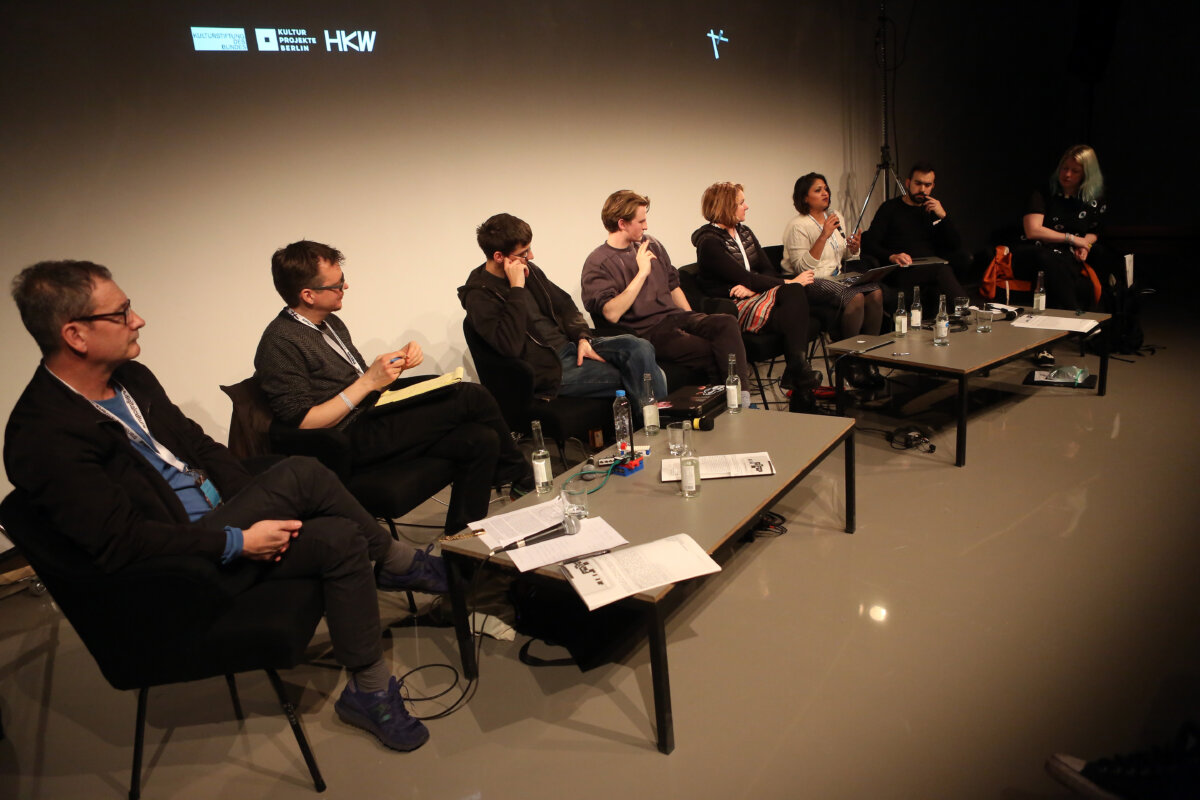
EXCESSIVE RESEARCH, the PhD workshop organized by transmediale, Aarhus University, Contemporary Art Lab at Liverpool John Moores University, and Liverpool Biennial, took place from 3 to 5 November 2015. Its theme related to transmediale/conversationpiece 2016, which examined some of the compulsive activities of contemporary digital culture in which we are encouraged to stay active, to make, to share and to secure. In the workshop, participants were encouraged to extend and nuance the discussions of closed/open, proprietary/non-proprietary, non-participatory/participatory dichotomies and delve into the nature of sharing, making, securing, acting, and their limits. What happens when research is less about exchange and more about excess?
participants
Christian Ulrik Andersen, Mitra Azar, Elisavet Christou, Geoff Cox, Aideen Doran, Kristoffer Gansing, Pablo Velasco Gonzalez, Lone Koefoed Hansen, Nathan Jones, Joasia Krysa, Graziele Lautenschlaeger, Lyndsay Mann, Cornelia Sollfrank, Wolfgang Sützl, Marie Louise Juul Søndergaard, Sally Tallant, Cansu Topaloglu, Scott Wark, and Tessa Zettel.
A Peer-Reviewed Journal About Excessive Research
APRJA is an open-access research journal that addresses the ever-shifting thematic frameworks of digital culture. The annual festival themes act as the point of departure for each journal issue.
EXCESSIVE RESEARCH documentation day 1
Excessive Research (Day 1)
With Christian Ulrik Andersen, Geoff Cox, Lone Koefoed Hansen, Joasia Krysa, Cornelia Sollfrank
At Haus der Kulturen der Welt, Berlin.
Thursday, 4 February 2016
EXCESSIVE RESEARCH documentation day 2
Excessive Research (Day 2)
With Christian Ulrik Andersen, Geoff Cox, Lone Koefoed Hansen, Joasia Krysa, Cornelia Sollfrank
At Haus der Kulturen der Welt, Berlin.
Friday, 5 February 2016
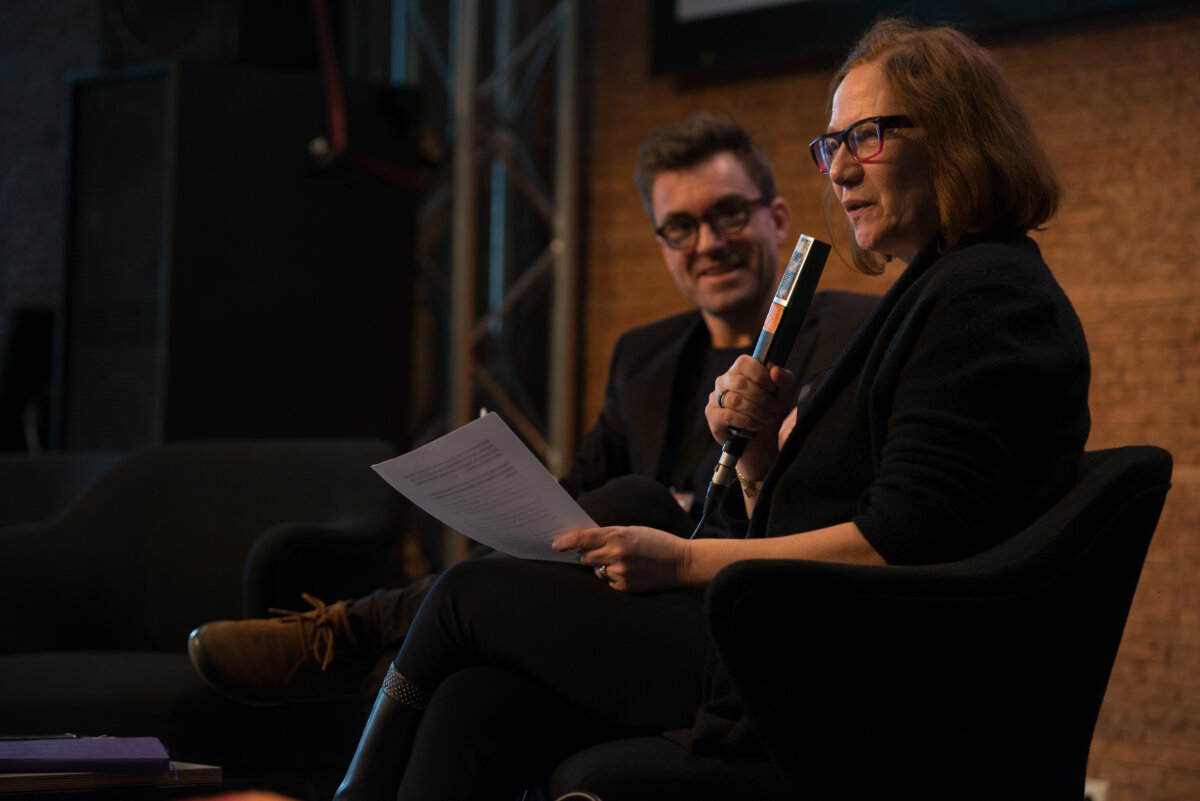
Questioning the quantification of all aspects of life: soughting out analyses and responses that “outsmart and outplay” the logic of capturing everything applied by corporate as well as scientific communities.
research workshop
The PhD workshop DATAFIED RESEARCH was a cooperation between transmediale, Aarhus University, and School of Creative Media at City University of Hong Kong. It took place from 17 to 22 October 2014 in Hong Kong and was related to the theme of transmediale 2015 CAPTURE ALL. In this context, the workshop aimed at questioning the quantification of all aspects of life. It sought out analyses and responses that “outsmart and outplay” the logic of capturing everything applied by corporate as well as scientific communities.
participants
Lukasz Mirocha, Wing Ki Lee, Winnie Soon, Alessandro Carboni, James Charlton, Damien Charrieras, Renée Ridgway, Audrey Samson, Lea Muldtofte Olsen, Ellen Pearlman, Mitra Azar, Ned Rossiter, Søren Pold, Daniel C. Howe, Silvio Lorusso, Sebastian Schmieg, Mercedes Bunz, Zach Blas, Jane Prophet, Eric Snodgrass, Fran Gallardo, Minka Stoyanova, Christian Ulrik Andersen, Jane Prophet
A Peer-Reviewed Journal About Datafied Research
APRJA is an open-access research journal that addresses the ever-shifting thematic frameworks of digital culture. The annual festival themes act as the point of departure for each journal issue.
Exploring what, in the afterglow of digital art and culture, lies beyond the digital as a form of existence; examining how research could be practised in a culture where the digital has become a cultural residue.
research workshop
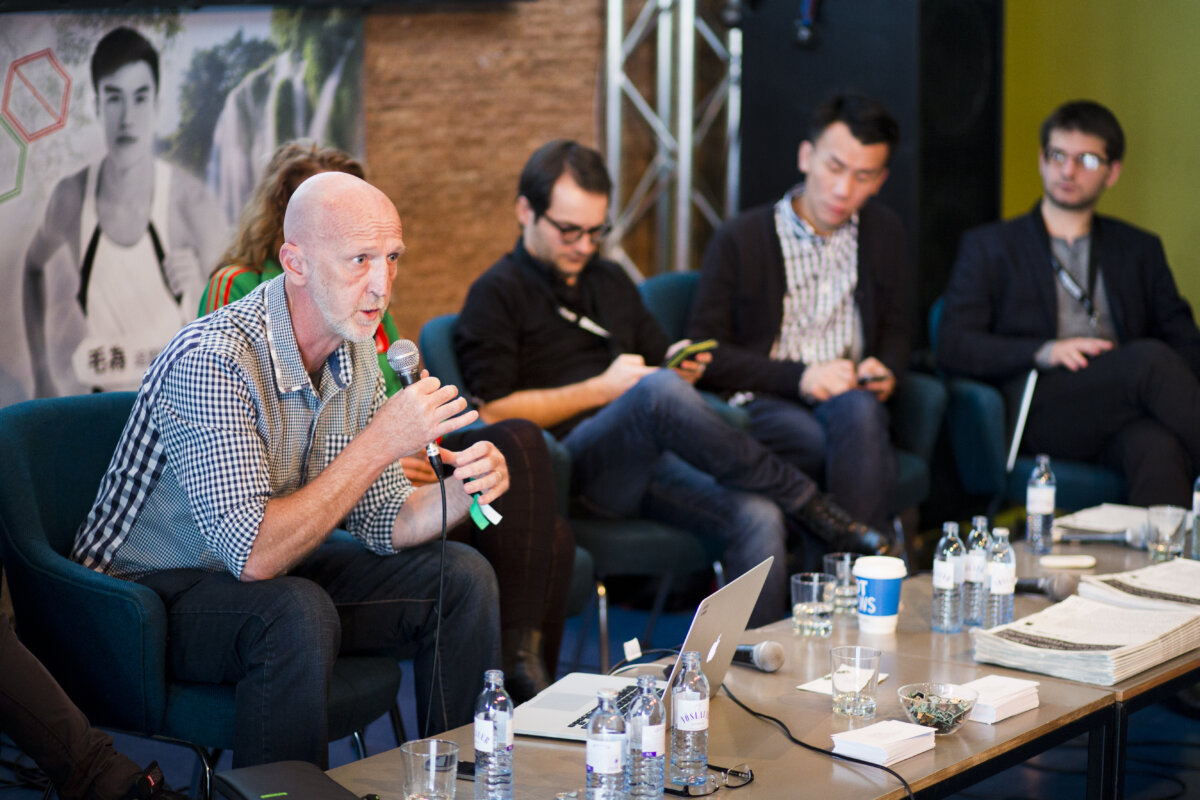
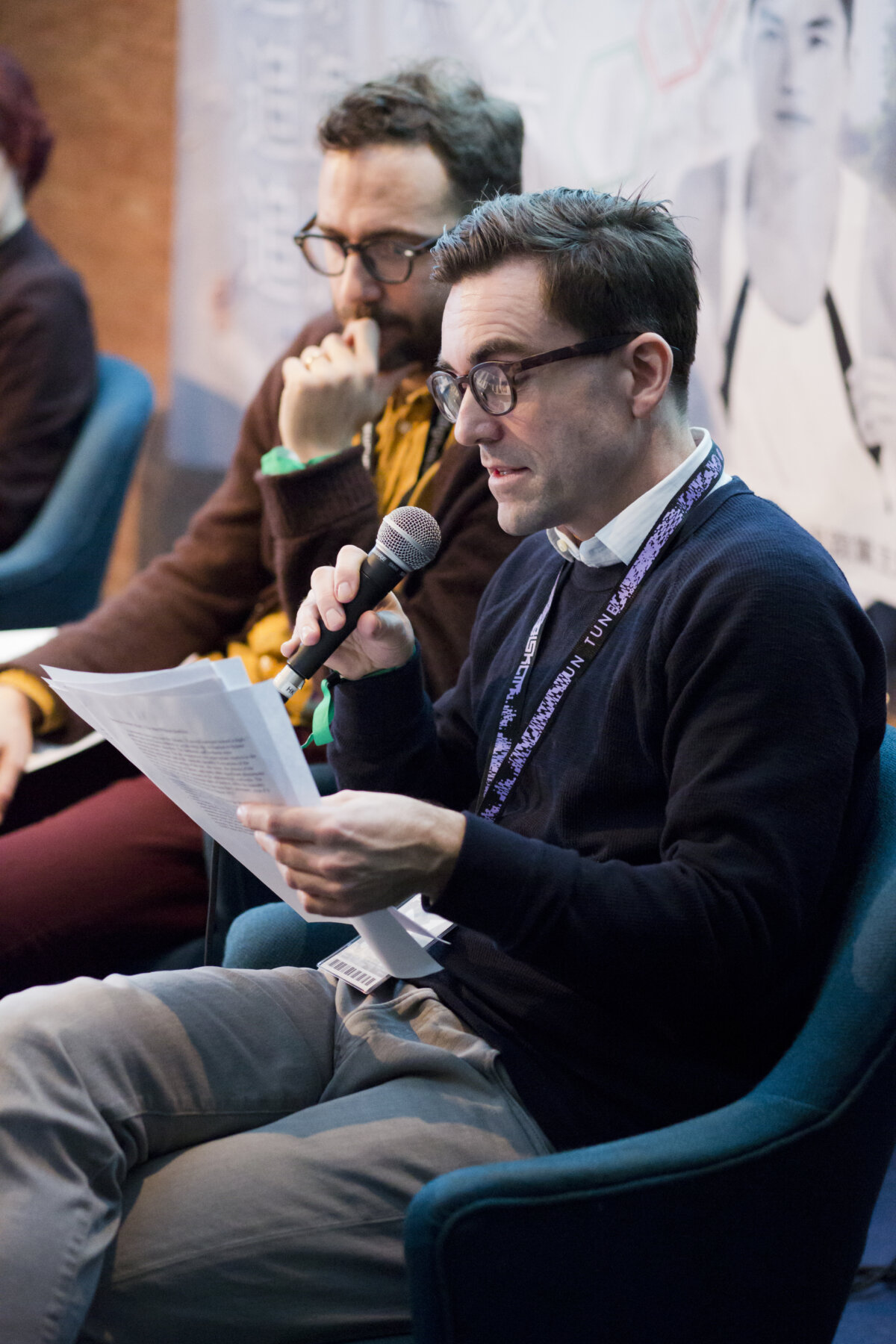
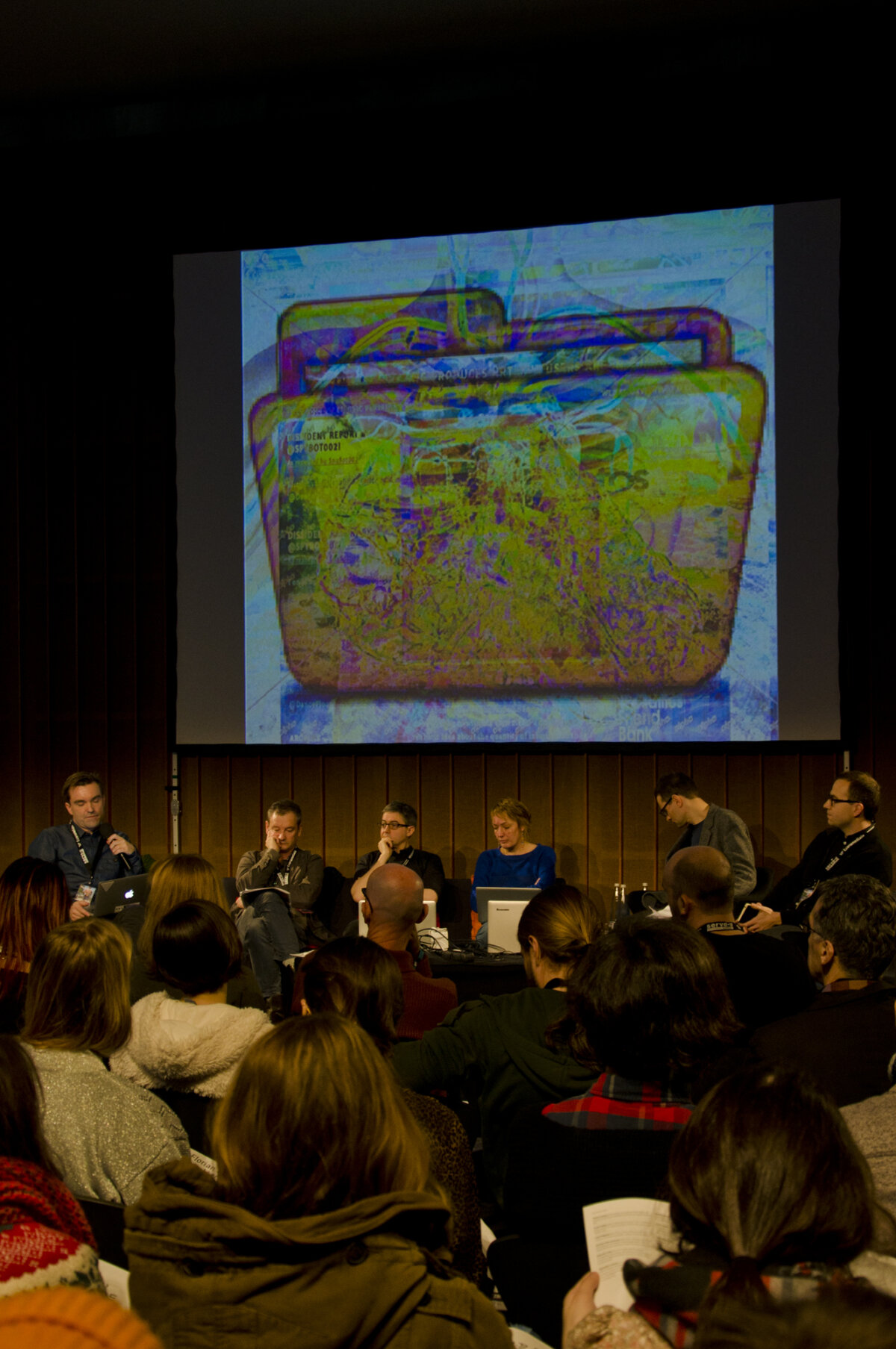
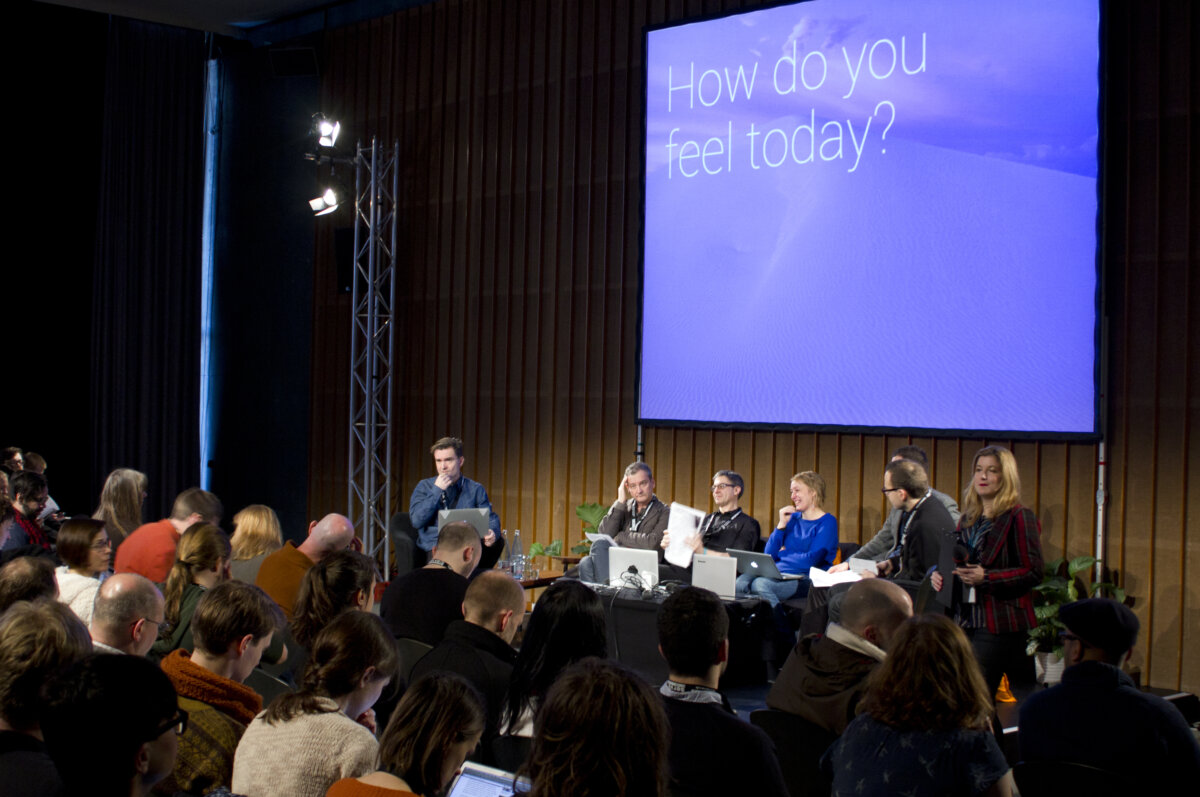
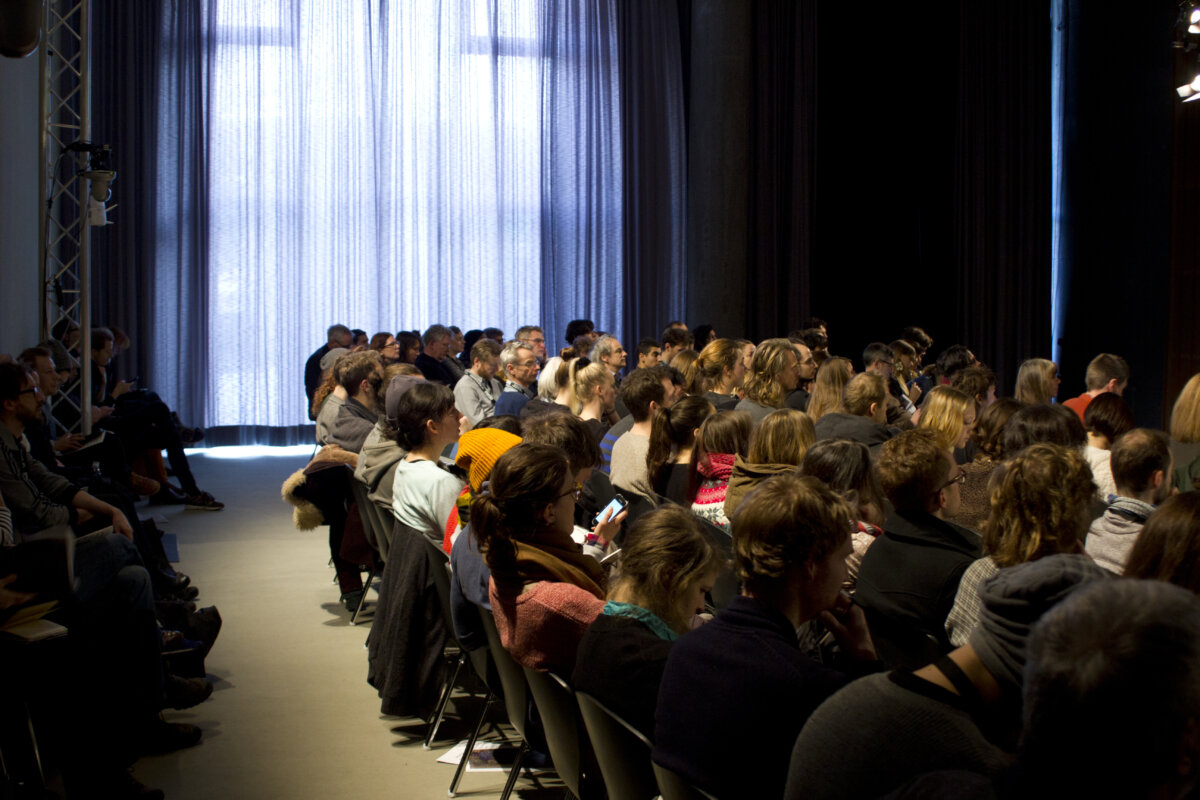
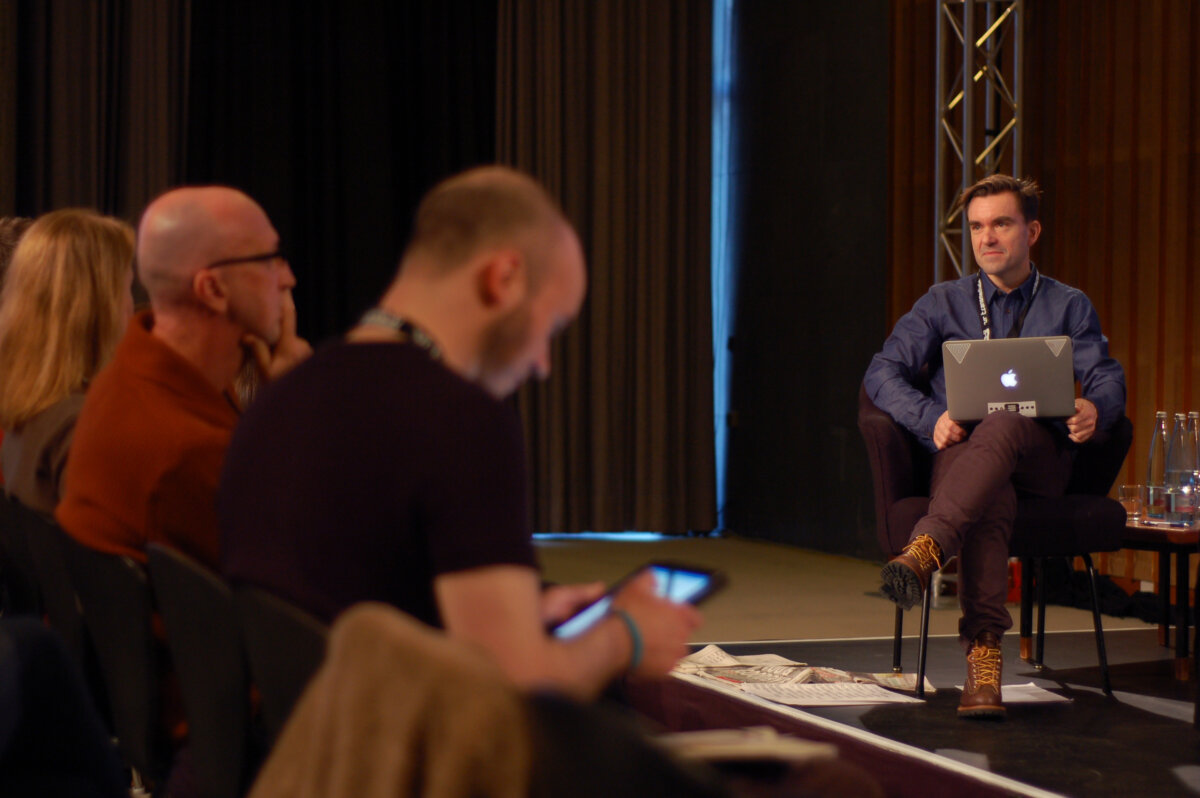
Post-digital Research, the third PhD workshop run by transmediale in cooperation with Aarhus University, took place from 7 to 9 October 2013. In conjunction with transmediale 2014 it aimed at exploring what, in the afterglow of digital art and culture, lies beyond the digital as a form of existence. The workshop’s research focus was not a future predetermined by the digital; nor did it try to do away with the digital. Instead, it examined how research could be practised in a culture where the digital has become a cultural residue that consumes resources, even producing new forms of trash and overloaded forms of existence.
participants
Jamie Allen, Christian Ulrik Andersen, Josephine Bosma, Christophe Bruno, James Charlton, Budhaditya Chattopadhyay, Geoff Cox, Florian Cramer, Robert Jackson, Magnus Lawrie, Alessandro Ludovico, Georgios Papadopoulos, Lotte Philipsen, Søren Pold, Morten Riis, Winnie Soon, Eric Snodgrass, and Bodil Marie Stavning Thomsen.
A Peer-Reviewed Journal About Post-digital Research
APRJA is an open-access research journal that addresses the ever-shifting thematic frameworks of digital culture. The annual festival themes act as the point of departure for each journal issue.
Post-digital research presentation documentation
With Christian Ulrik Andersen, Geoff Cox, Søren Pold, Florian Cramer, Annet Dekker, Kieran Nolan, Lotte Philipsen, Eric Snodgrass, Georgios Papadopoulos, Christophe Bruno, Bodil Marie Stavning Thomsen, Budhaditya Chattopadhyay, Alessandro Ludovico, James Charlton, Josephine Bosma
At Haus der Kulturen der Welt
Saturday, 1.2.2014
Interrogating techno-cultural processes of displacement and invention, asking for artistic and speculative responses to new cultural imaginaries.
research workshop
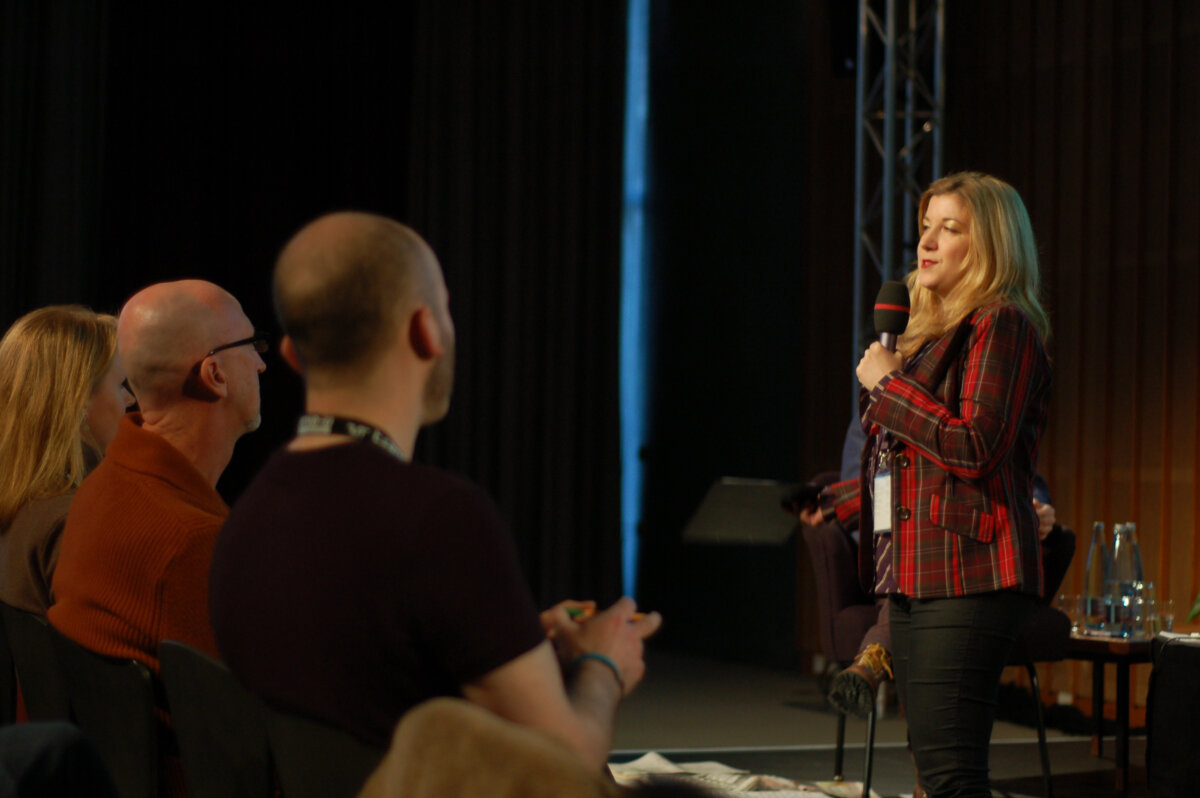
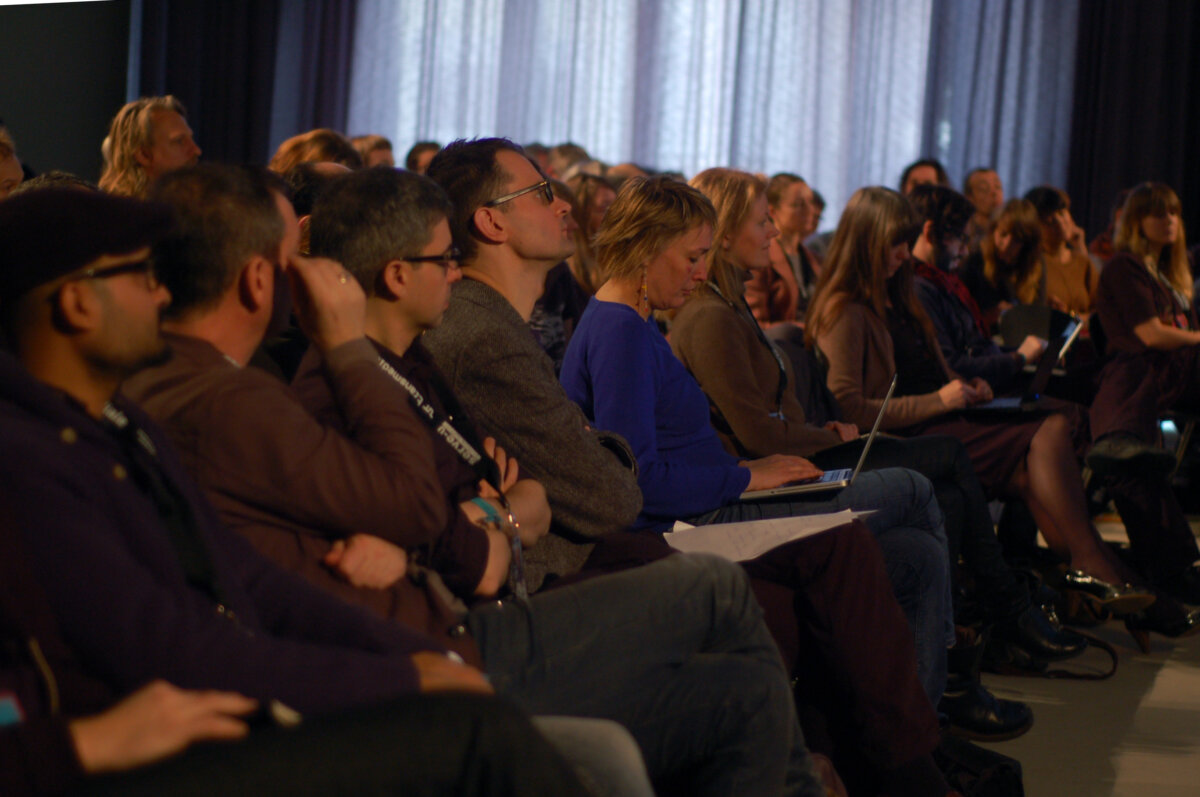
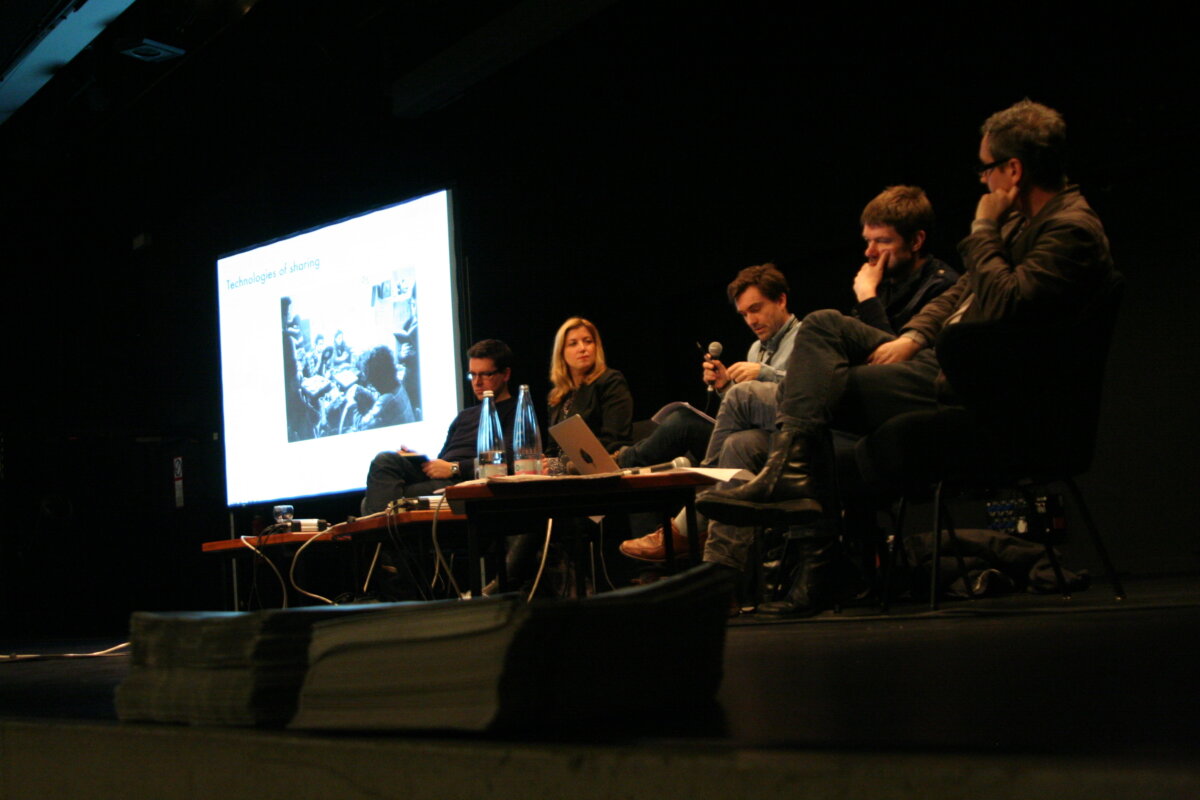
The second PhD workshop, Researching BWPWAP, was organized by transmediale in cooperation with Aarhus University and Leuphana University of Lüneburg. It took place from 22 to 24 November 2012 and reflected on the festival theme of the following year, BWPWAP (Back When Pluto Was a Planet). Like the festival, it interrogated techno-cultural processes of displacement and invention, asking for artistic and speculative responses to new cultural imaginaries. Can we act like BWPWAP and at same time redefine present and future cultural practices, inventing networks out of place and out of time?
participants
Mikkel Bech-Hansen, Yara Guasque, Marcello Lussana, Francesco Macarone Palmieri, Andrew Prior, Helen Pritchard, Sheila Ribeiro, Renée Ridgway, Florian Alexander Schmidt, Matthias Tarasiewicz, Magda Tyżlik-Carver, Gabriel Vanegas, Siegfried Zielinski
A Peer-Reviewed Journal About #BWPWAP
APRJA is an open-access research journal that addresses the ever-shifting thematic frameworks of digital culture. The annual festival themes act as the point of departure for each journal issue.
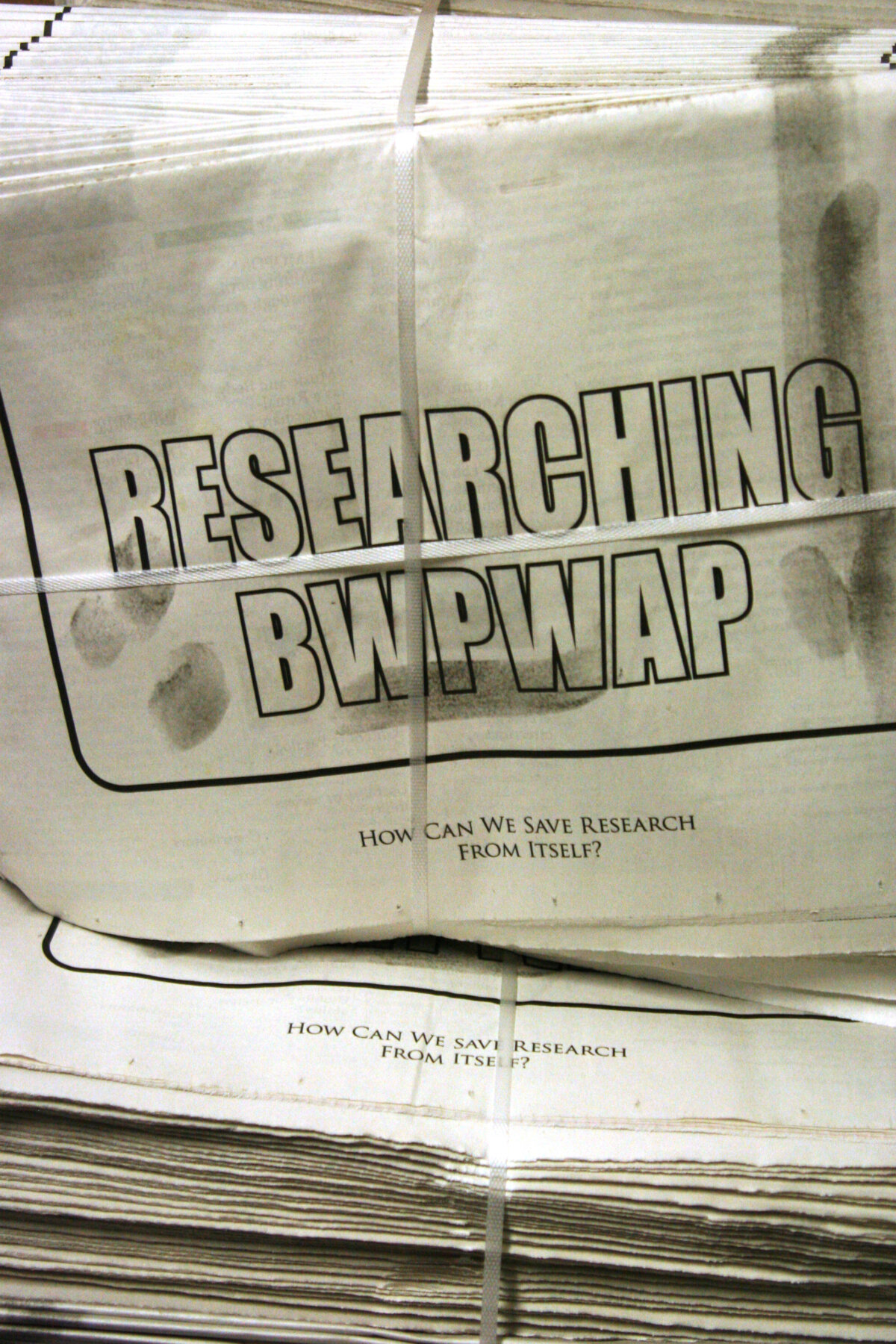
A Peer-Reviewed Newspaper About Researching BWPWAP
Researching BWPWAP asks what kinds of technological and artistic practices might produce radical effects for an institutionalized research culture? How can we save research from itself?
In referring to the cancellation of Pluto’s planetary status in 2006, BWPWAP (Back When Pluto Was a Planet) – the 2013 edition of the transmediale festival – interrogates techno-cultural processes of displacement and invention, and asks for artistic and speculative responses to new cultural imaginaries. In light of this, the conference and workshop Researching BWPWAP took place in November 2012 in Lüneburg, Germany, organised jointly by Leuphana University of Lüneburg, Aarhus University and the reSource transmedial culture/transmediale.
This newspaper presents some outcomes of this process, and like the conference and workshop, can be interpreted in the context of a research culture that has been significantly destabilized by network culture and digital media. Certainly, much research culture has shared Pluto’s fate: conferences reduced to networking events to foster cultural capital, and scholarly communications reduced to impact factors measured by grant givers. In other words, research is not just about measuring the performativity of a single researcher (the peer-reviewed journal system), but also the processes of questioning, investigating, speculating, and sharing between peers in a broader sense.
Design: The Laboratory of Manuel Bürger
Exploring the compatibility and incompatibility of various objects, processes, and systems, addressing the unresolved tensions in-between.
research workshop
The first PhD workshop initiated by transmediale and Aarhus University, in/compatible research, took place from 16 to 18 November 2011 at the Vilém Flusser Archive at the Berlin University of the Arts. Its aim was to explore the compatibility and incompatibility of various objects, processes, and systems. in/compatible research reacted to the theme of the subsequent festival edition, transmediale 2k+12 in/compatible, and addressed unresolved tensions: in-between different technologies, their cultures of production and use, as well as between different approaches to contemporary media culture.
participants
Christian Ulrik Andersen, César Baio, Tatiana Bazzichelli, Thomas Bjoernsten, Zach Blas, Morten Breinbjerg, Geoff Cox, Baruch Gottlieb, Magnus Lawrie, Matthias Tarasiewicz, Rosa Menkman, Gabriel Menotti Gonring, Morten Riis, Lasse Scherffig, Marie Thompson, Nina Wenhart, and Carolin Wiedemann.
A Peer-Reviewed Newspaper About_
World of the News – The world’s greatest peer-reviewed newspaper of in/compatible research presents cutting edge in/compatible research in an accessible free tabloid format.
The newspaper partly addresses academia’s increasing demand for publication of academic peer-reviewed journal articles. Perhaps researchers need new visions of how to produce and consume research? The content of the newspaper derives from a PhD workshop and conference held in November 2011, at University of the Arts, Berlin (organized by Aarhus University in collaboration with transmediale/resource for transmedial culture and the Vilém Flusser Archive)
Design: The Laboratory of Manuel Bürger, Manuel Bürger, Timm Haneke, Till Wiedeck
