This panel takes its cue in part from Roland Barthes’ essay Death of the Author (1967), in which he argues that one should not focus on the writer’s intentions but should pay new attention to readers’ impressions in order to understand a text’s multiple layers of meaning. The discussion will also draw from Michel Foucault’s lecture What Is an Author? (1969), an indirect response to Barthes’ text in which Foucault renounces the notion of the original, creative author and calls for analytical and critical reconsideration of the author as a function in discourse. The discursive shift and its implied critique of power that the two texts express have been integral in understanding new media, especially the personal computer and the Internet, as user-oriented, inclusive and democratic. By openly asking what the user was, rather than attempting to define what s/he is, this panel looks beyond current trends in user culture in an attempt to reimagine the user as continuous potential both vulnerable to exploitation and a visionary force of invention.
Pär Thörn is reading from his book Your Friend the Data Machine (2008), Olia Lialina talks about the significance of “General Purpose Users,” and Cornelia Sollfrank is doing a performance relating to the users in and of her work.
...Dieses Panel nimmt seinen Ausgangspunkt in Roland Barthes Essay Death of the Author (1967), in dem Barthes dafür argumentiert, die Aufmerksamkeit weg von den Autorenabsichten und auf die Lesereindrücke zu lenken, um so die vielfachen Bedeutungsebenen eines Textes verstehen zu können. Zudem schöpft die Diskussion aus Michel Foucaults Vorlesung What is an Author? (1969), eine indirekte Antwort auf Barthes Text, in der Foucault sich von Konzepten wie dem Original oder dem kreativen Autor verabschiedet und eine kritische Neubewertung des Autors als Funktion im Diskurs fordert. Der diskursive Wandel und die darin enthaltene Kritik der Macht, der in diesen Texten zum Ausdruck kommt, ist wesentlich für ein Verständnis neuer Medien – insbesondere des Personal Computers und des Internets – als user-orientiert, inklusiv und demokratisch. Indem das Panel danach fragt, was der User war, anstatt danach, was er ist, blickt es über die gegenwärtigen Trends der User-Kultur hinaus und versucht den User als stetiges Potenzial neu zu denken, ihn als anfällig für Ausbeutung und gleichzeitig als visionäre erfinderische Kraft wahrzunehmen.
Pär Thörn liest aus seinem Buch Your Friend the Data Machine (2008), Olia Lialina spricht über die Bedeutung des „Allzweck-Users“ und Cornelia Sollfrank stellt eine Performance vor, die sich auf die User in und von ihrer Arbeit bezieht.
Related Media
 Panel Introduction by Jacob Lillemose - What Was The User?
 Presentation by Olia Lialina - What Was the User?
 Presentation by Pär Thörn - What was the User?
 Presentation by Cornelia Sollfrank - What was the User?
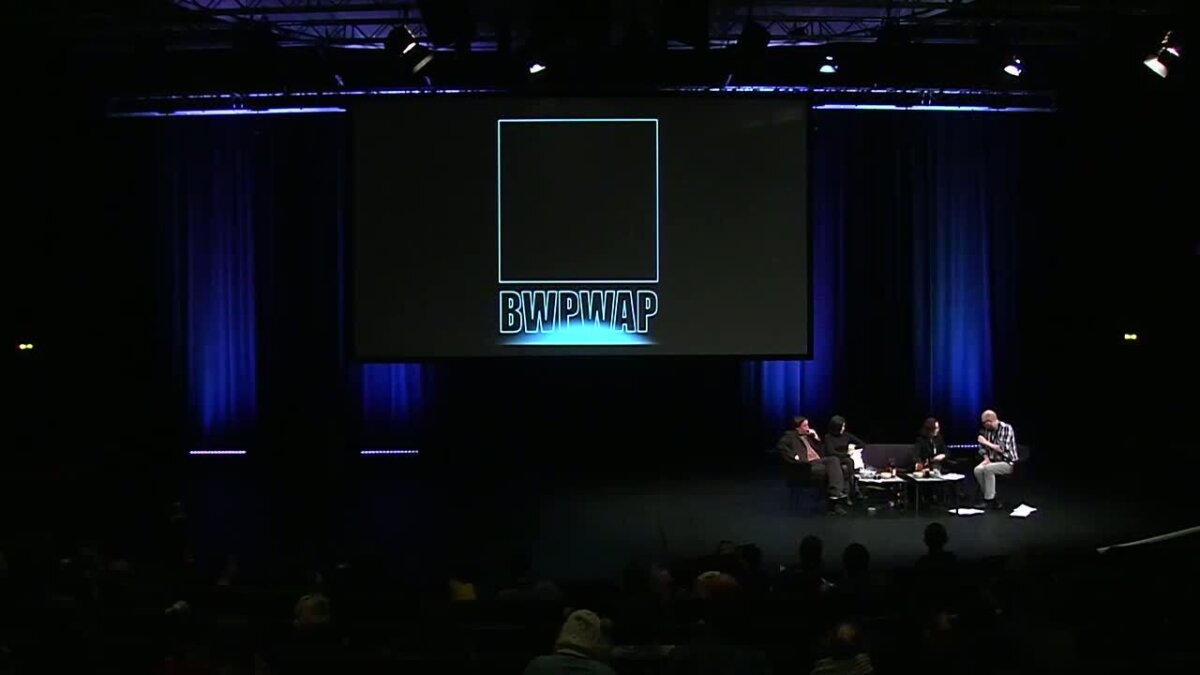 Discussion - What Was The User?
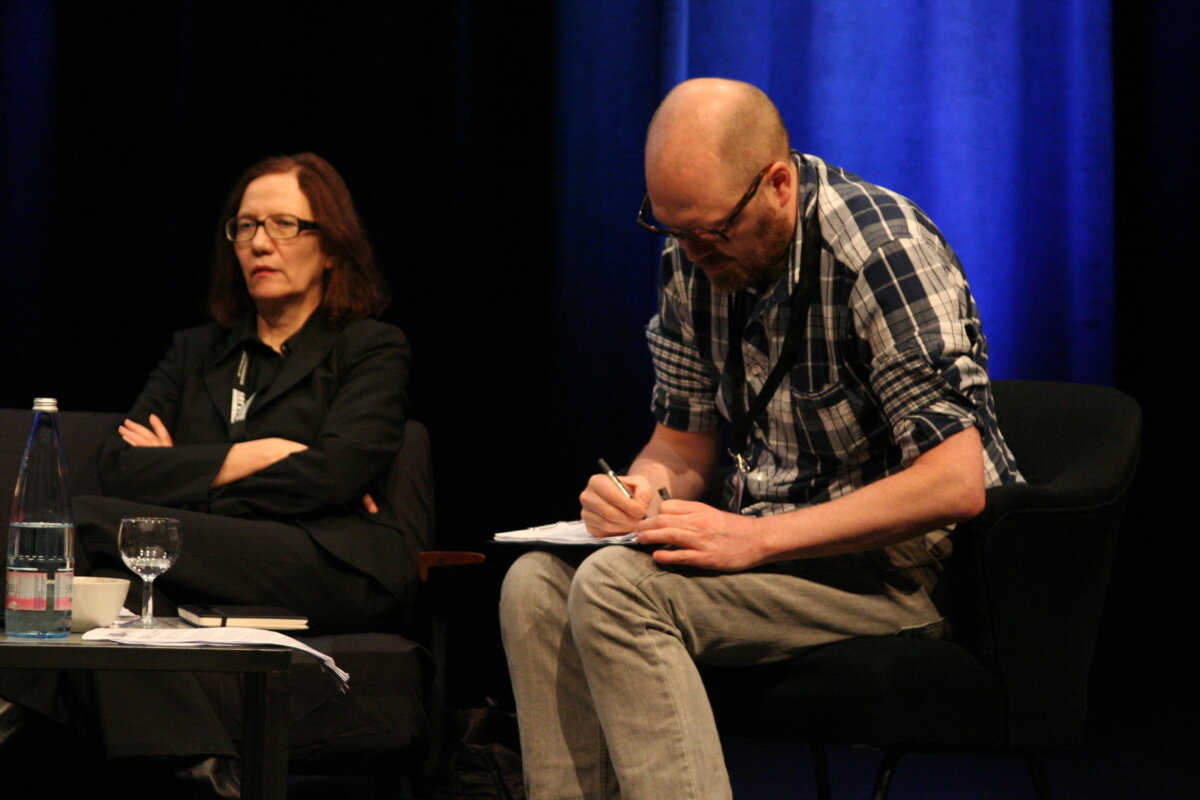 Cornelia Sollfrank (left) and Jacob Lillemose (right) at "What Was the User?"
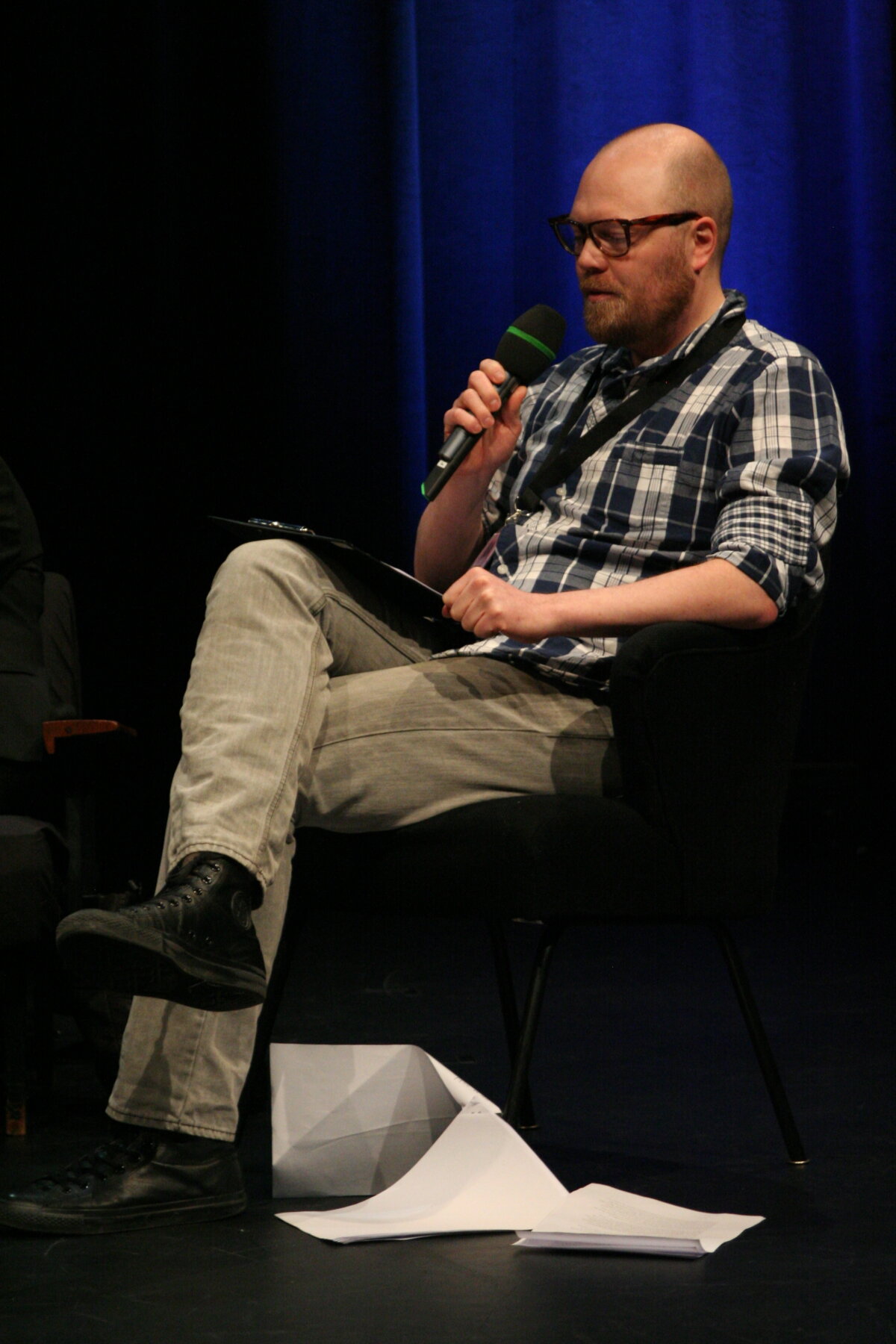 Jacob Lillemose at "What Was the User?"
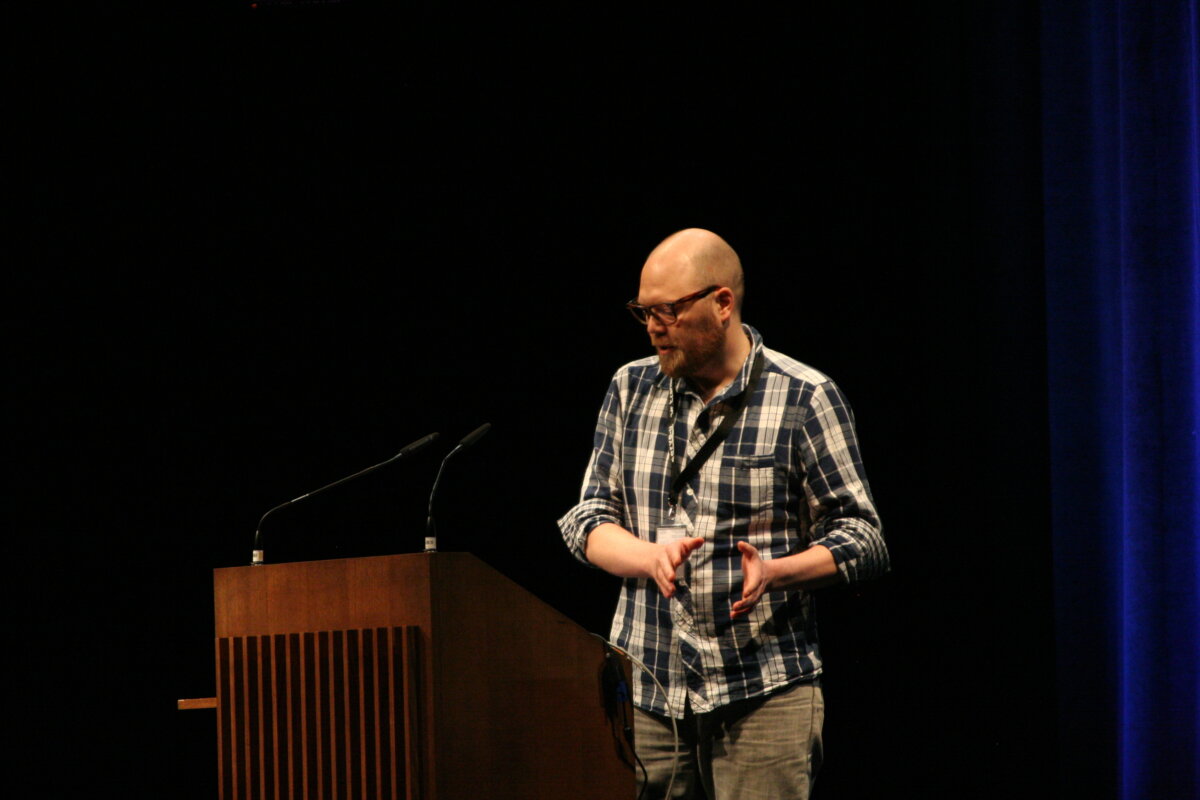 Jacob Lillemose at "What Was the User?"