Haus der Kulturen der Welt (HKW)
31 January – 5 February 2012
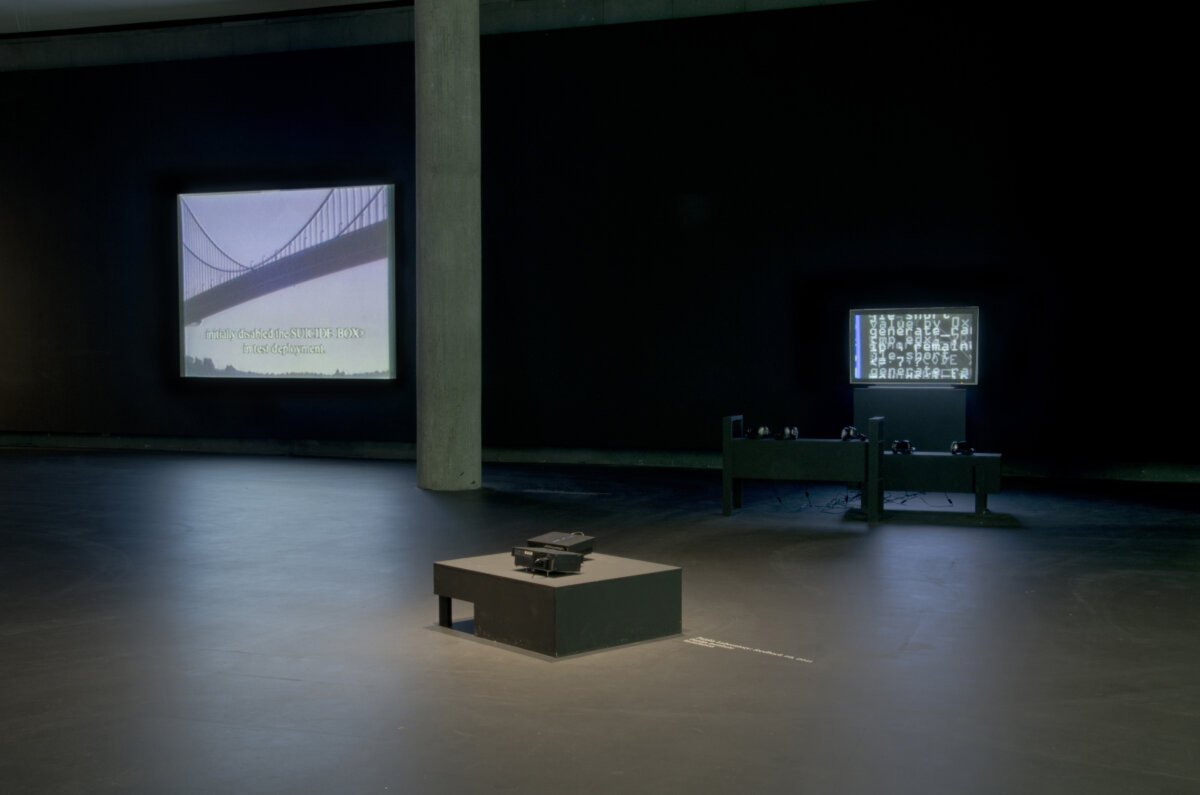
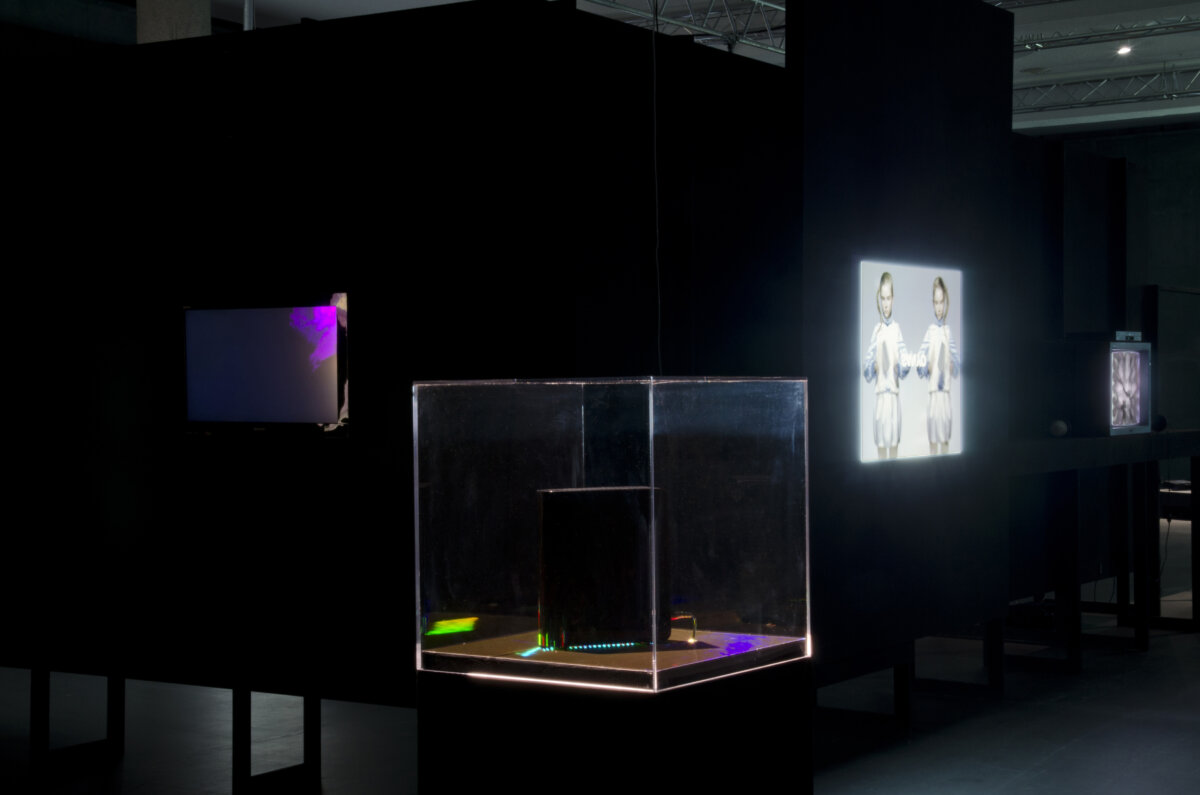
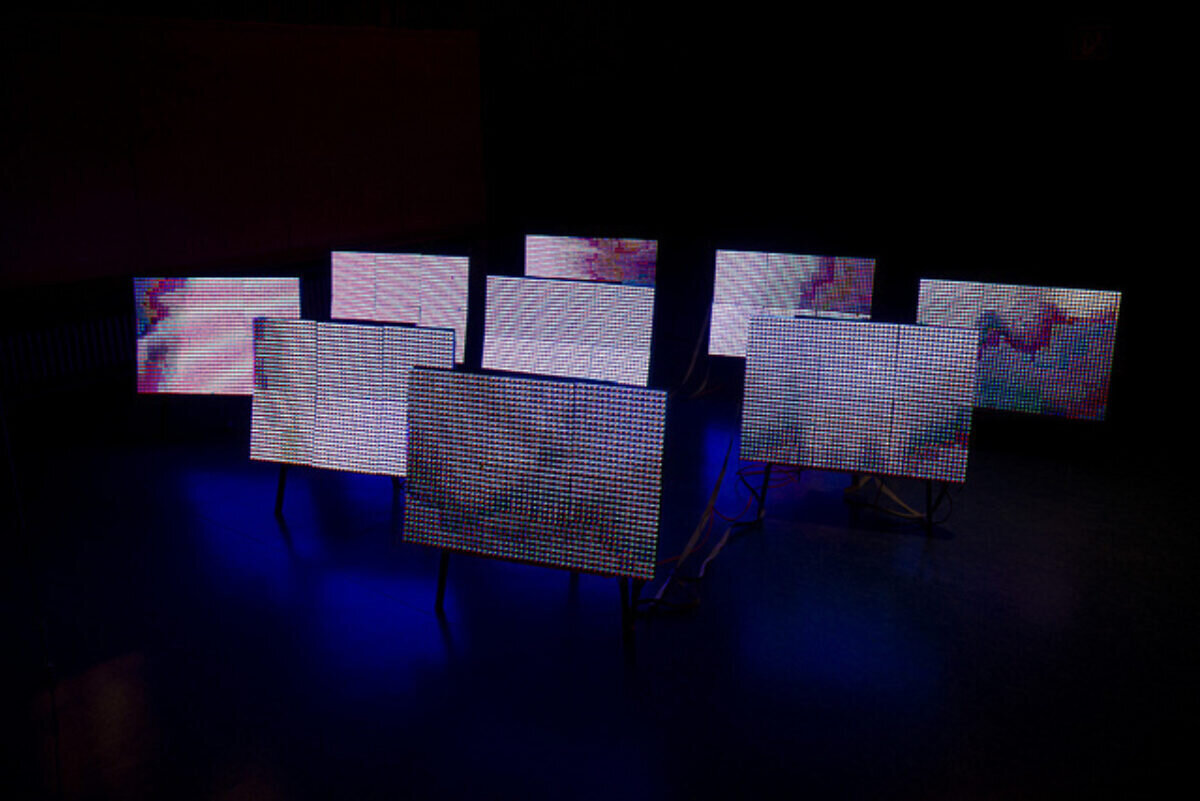
The focus on uneasy energies in technological times in the transmediale 2k+12 exhibition responds directly to the overall in/compatible theme of the festival. On the one hand, uneasy energies can be said to produce the in/compatible, while on the other hand the in/compatible can be said to produce uneasy energies. The two form a circuit of mutual exchange. The question of which one of the two comes first and determines the other is beside the point. The point is rather to engage with the multiple instances where uneasy energies and the in/compatible connect and generate processes that challenge consensual and standardised perceptions of technology. As such the exhibition is inscribed within the context of the festival theme at the same time as it is intended to expand the vocabulary of the in/compatible through the art works and cultural objects displayed.
But what exactly are “uneasy energies in technological times”? Rather than attempting a definition by references to philosophy or art history, the exhibition through an extensive and diverse group of examples claims that distortions, ambiguities, irritations, ironies, and unrest constitute as a significant trajectory in our relations with modern technology and have done so since the use value of electricity was discovered. It is a trajectory that resists conventional formalisation and the exhibition challenges visitors to develop a sensibility and intelligence towards the trajectory as a way to engage with the critical and inventive potentials that it contains.
However, just like the uneasy energies in themselves do not add up to a clear point, the exhibition does not aim at resolution. It offers no promise of overcoming the uneasy energies. On the contrary, it claims that uneasy energies are insuperable, an integral and constitutive part of technological times, and invites visitors to explore the trajectories and horizons of the dark drives that they present.
curatorial text
The transmediale 2k+12 exhibition explores the idea that uneasy energies exist in technological times. From J. Robert Oppenheimer’s description of the nuclear bomb as a "technically sweet problem” and Ken Kesey’s mix of LSD, sound recordings, and feedback logic to the increasing environmental damage caused by the accumulation of e-waste and the antagonisms surrounding platforms like The Pirate Bay, the advent of modern technology has not merely smoothened and rationalised society. Far from this. History as well as the present clearly shows that technological progress in the modern era has involved new states of imbalance, difficulties and precariousness, but also more productively with insubordinate imaginations and undisciplined expressivity. Entitled Dark Drives. Uneasy Energies in Technological Times, the transmediale 2k+12 exhibition engages with these issues beyond the grand narratives of technological utopias and dystopias to propose that they constitute an otherwise ambivalent and obscure trajectory in both our private and public lives with technology. It is “dark” then, not in the sense of pointing towards an end point of culture but in the sense of resisting clarity in terms of purpose, direction and significance.
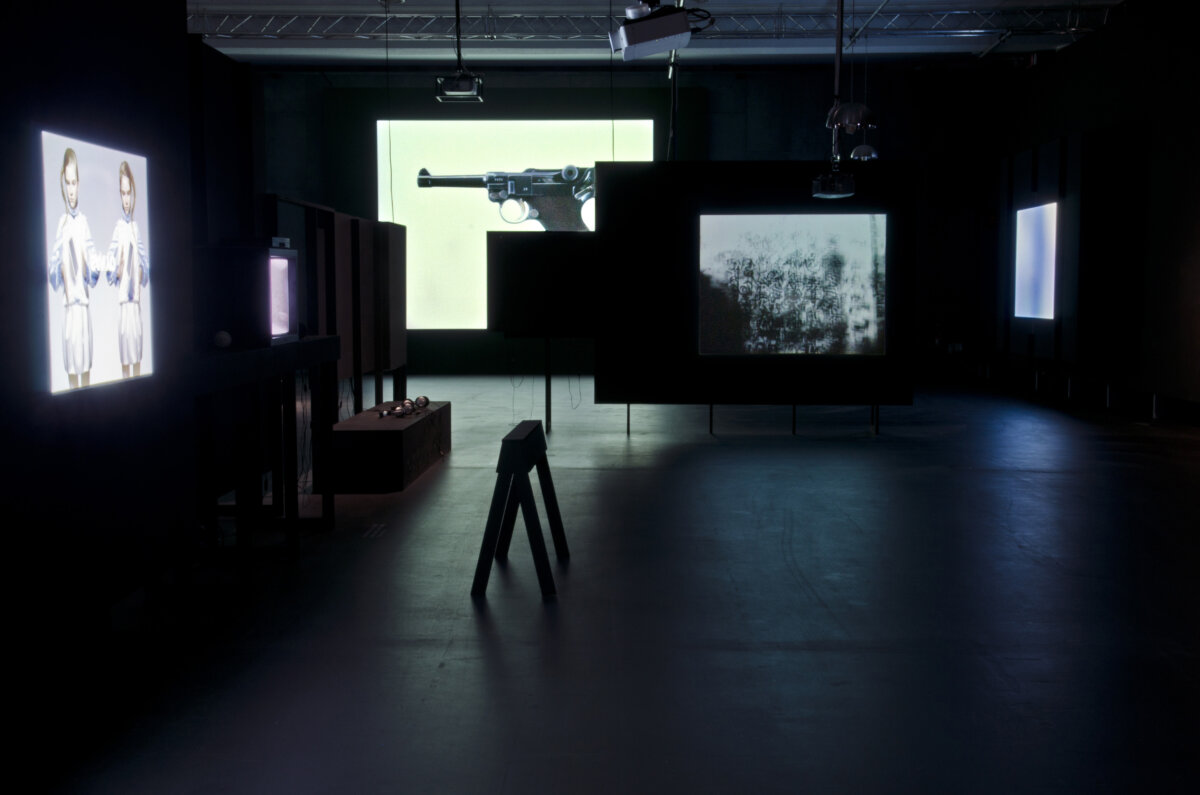
Running counter to processes of cultural consensus it challenges us to explore matters further by questioning established perceptions of technology. Rather than celebrating the recent advances in technology the exhibition offers a thematic reading and a historical mapping of the last fifty years, expressing a critical attitude to existing phenomena as well as exploring possibilities of reinvention. The exhibition itself can be seen as an experimental method taking inspiration from the montage technique of the Surrealists and ethnographic collections in order to bring together a heterogeneous group of works and objects. Hence, more than a completed argument, through juxtapositing and sequencing, the presentation format is conceived as an open investigation and a speculative proposition.
The exhibition organises the material based on an underlying structure of three intersecting axes. The first axis is historical and connects work from as early as the middle of the 1960s and as current as 2012. It demonstrates how uneasy energies have emerged in response to changing circumstances and developments in technology and technological culture. The second axis is cultural and reflects the broader cultural scope of the transmediale 2k+12 festival and the context of the Haus der Kulturen der Welt. Hence, the exhibition includes objects that do not primarily, if at all, circulate in an art context. The objects are integrated with the presentation of the artworks, making no explicit distinction between the two. It is essential to the exhibition to show that uneasy energies are at work in both mainstream popular culture and in progressive artistic practices, not least because many of the artworks address concrete cultural phenomena, situations and issues. The third axis is transmedial. While it might seem somewhat evident if not redundant this axis is nevertheless important because it emphasises that engaging with the theme is not exclusively or necessarily a matter for advanced technology but can also take place in more classical media, which is made clear by the inclusion of music albums in the exhibition and the quotes from movies, literature, and theory featured in the catalogue.
Furthermore, the exhibition implicitly suggests five general fields where uneasy energies manifest themselves: the psychological, the body, the social, the material and aesthetics. The individual fields are more pronounced in certain sections of the exhibition but like the above-mentioned axes the fields overlap and the single works often relate to several of them at once.
The claim made by the exhibition that the presence of uneasy energies is a fundamental condition of technological times is not an implicit attempt to overcome or transcend this condition. On the contrary, it invests in the development of a sensibility and intelligence towards it. It is an investment in a form of technological literacy that instead of skills and problem solving is based on transmediale 2k+12 the ability to extensively reflect on and subtly articulate the complex problematics and potential that uneasy energies involve.
Jacob Lillemose