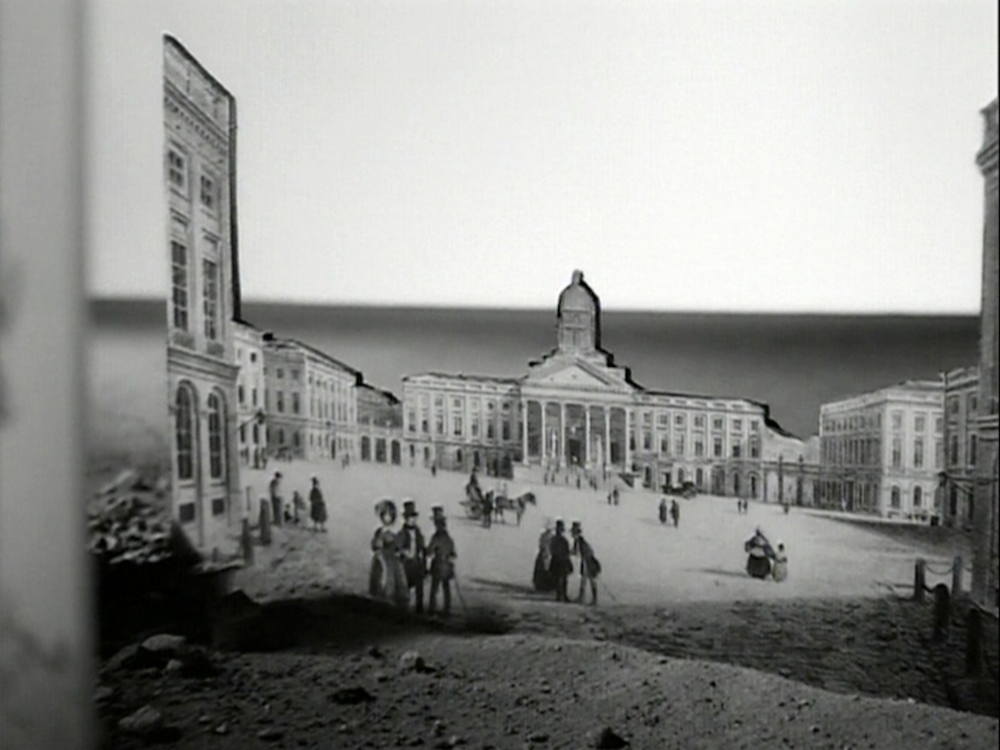
Little Figures, Sarah Vanagt, BE 2003, 16'
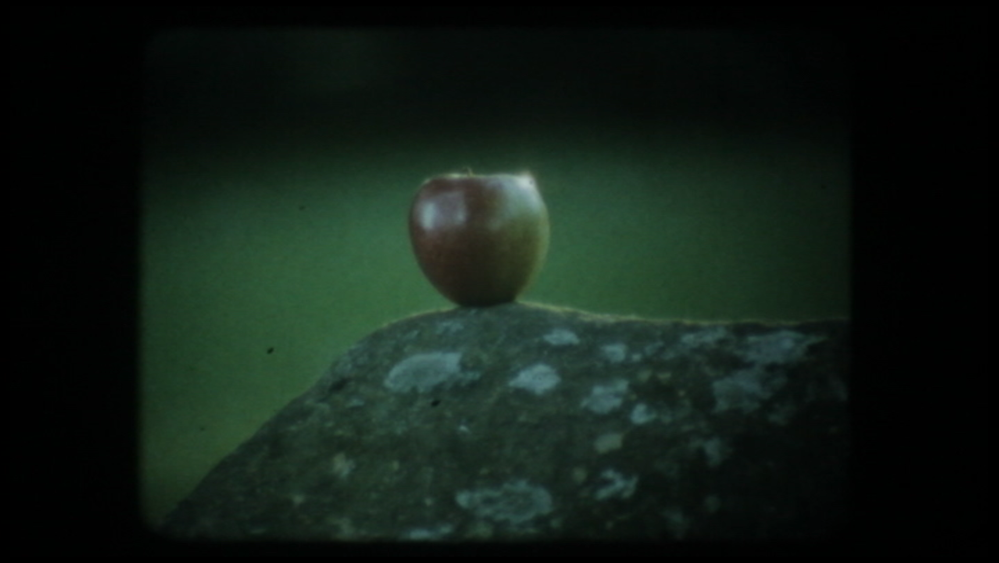
Essen vom Boden der Geschichte, Sita Scherer, DE 2014, 4'
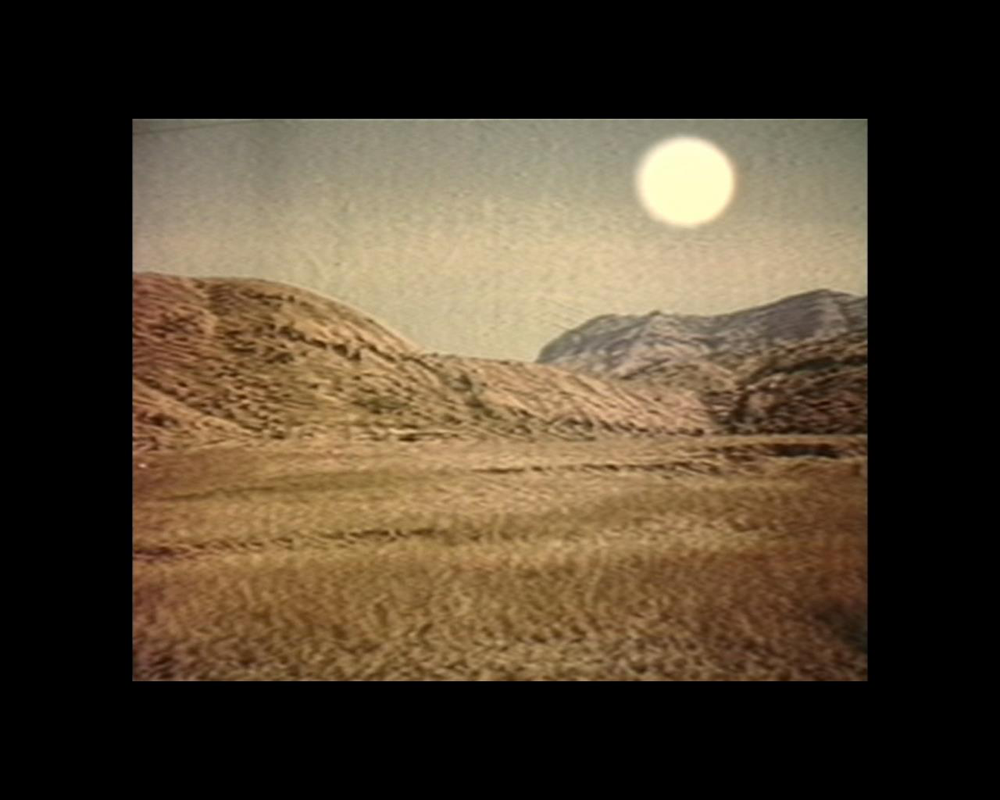
21 Chitrakoot, Shambhavi Kaul, IN/US 2012, 9'
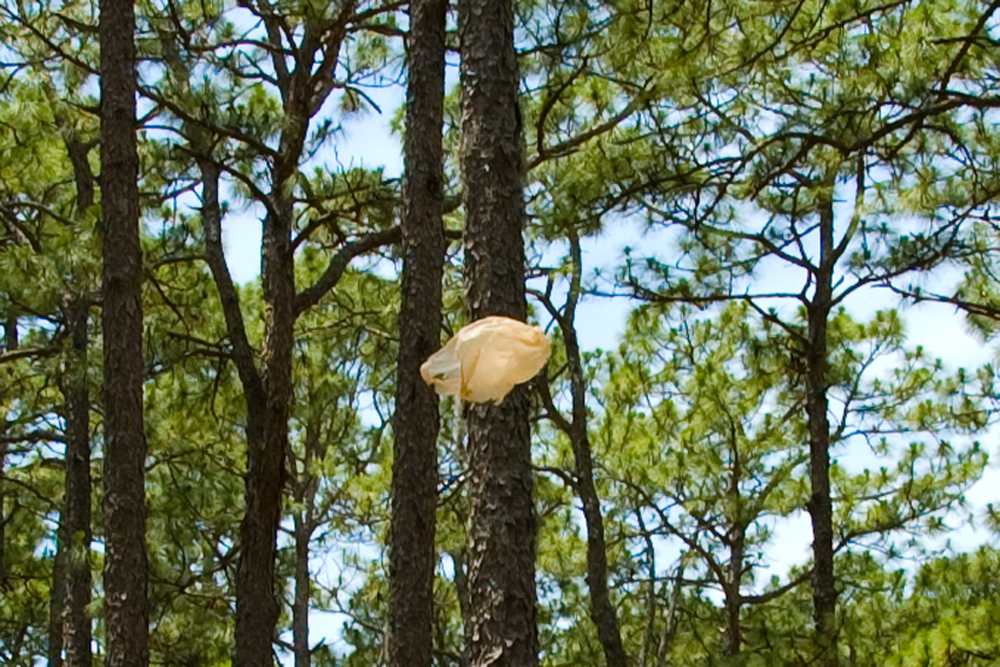
Plastic Bag, Ramin Bahrani, US 2009, 18'
The Sea is History, Louis Henderson, UK/FR 2016, 28'
Questions of animism in nature have always accompanied humanity. With the advent of modern science in the sixteenth and seventeenth centuries, nature was to be demystified, and humankind, as the only acting entity, was to be placed above all else: the project of subjugating the “other.” Recently, classical ideas of the opposition of nature and culture have dissolved in favor of a dynamic and non-hierarchical relationship between species. Such a posthuman, relational approach is also due to the realization that nature has long been technologically mediated and capitalized, and is thus, as Suhail Malik writes, understood as anthropogenic. Against this backdrop, the films in this program adopt an animistic view of the world and give voice to the history of colonial violence, exoticism, and pollution through things, artefacts, plants, and landscapes.
...Little Figures, Sarah Vanagt, BE 2003, 16'
Essen vom Boden der Geschichte, Sita Scherer, DE 2014, 4'
21 Chitrakoot, Shambhavi Kaul, IN/US 2012, 9'
Plastic Bag, Ramin Bahrani, US 2009, 18'
The Sea is History, Louis Henderson, UK/FR 2016, 28'
Die Frage nach der Allbeseeltheit der Natur begleitet die Menschheit seit jeher. Mit dem Aufkommen der modernen Wissenschaften im 16./17. Jahrhundert sollte die Natur entzaubert und der Mensch als alleinig handelndes Wesen über alles gestellt werden: das Projekt der Unterwerfung des „Anderen“. In jüngster Zeit löst sich das Denken in der klassischen Opposition von Kultur und Natur zugunsten eines dynamischen und nicht-hierarchischen Verhältnisses zwischen den Arten auf. Ein solcher posthumaner, relationaler Ansatz beruht zugleich auf der Erkenntnis, dass die Natur heute längst als technologisch vermittelt und kapitalisiert, als anthropogen zu verstehen ist, wie Suhail Malik schreibt. Vor diesem Hintergrund bringen die Filme des Programms die Geschichte von kolonialer Gewalt, Exotismus und Umweltverschmutzung durch Dinge und Artefakte, Pflanzen und Landschaften zum Sprechen, und bedienen sich einer animistischen Sicht auf die Welt.