Concluding the open call period for this year, we and the respective jury members for each programme are pleased to announce the selected residents for the 2026 transmediale Residencies, in collaboration with two international and one local partner:
The selected proposals respond to a thematic call for projects that, in the face of escalating political and ecological urgencies and deepening societal divides, explore how deliberate, techno-mediated gestures and alternative forms of knowledge might reorient and reconfigure our collective orbit. Engaging with relational modes of digital art practice and research into the multivalent notions of technology, the selected artists critically explore the social dimensions and (mis)uses of technology, considering what these offer in response to the present moment and the near futures ahead.
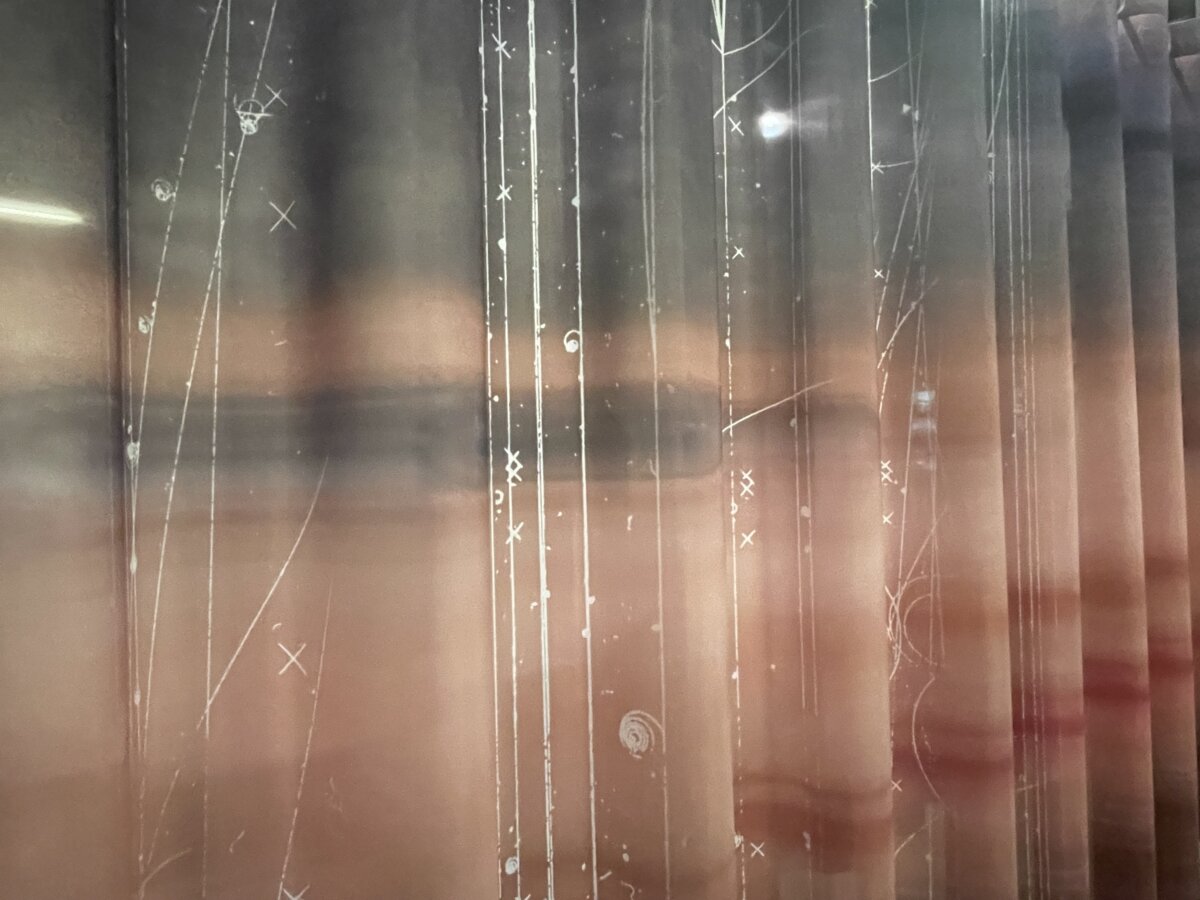
Amanda E. Metzger is an artist and researcher whose practice revolves primarily around network theory, data collection, and authorship. Amanda lives and works between Basel, Berlin, and Brussels. For the Digital Art Residency in collaboration with Pro Helvetia, Amanda explores the imaginative potential of information gaps by linking computer science, quantum and bio computing, and memory studies. Focusing on compression technologies as creative and relational tools, she treats compression not as reduction, but as a generative act.
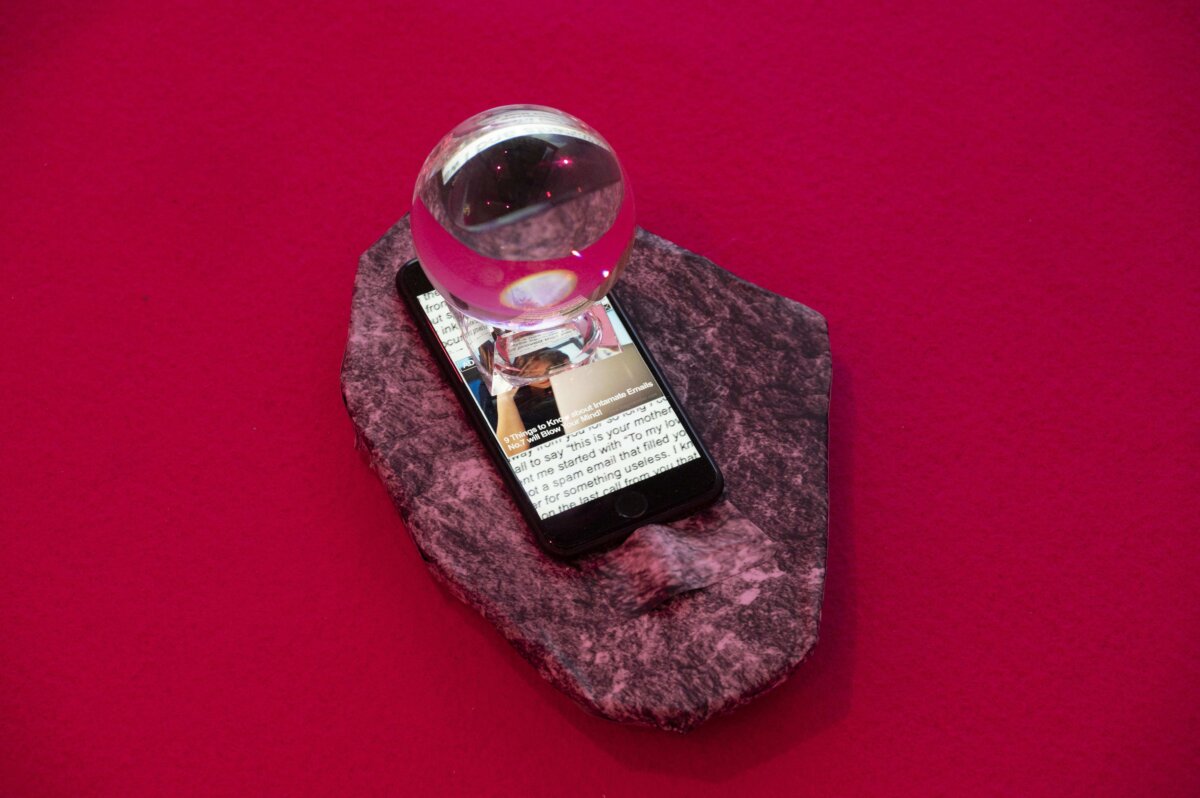
As an interdisciplinary media artist, musician, game maker, educator, and learner, Ahreum Lee navigates the complexities of technology, data, and socio-political narratives. Fascinated by the ritualistic use of everyday technologies, she explores their impact on socio-political dynamics and their interactions with both human and more-than-human entities. Originally from Seoul, South Korea, Ahreum is currently based in Tiohtià:ke/Mooniyang/Montréal. For the transmediale x ARKO Residency, Ahreum reimagines digital infrastructures through gestures of deliberate slowness and ritual acts of data feeding. Beginning with the often invisible consumption of water as a cooling medium within technological systems, her practice seeks to reveal and invert this opacity by transforming water from a hidden resource into both a source of life and a medium of information.
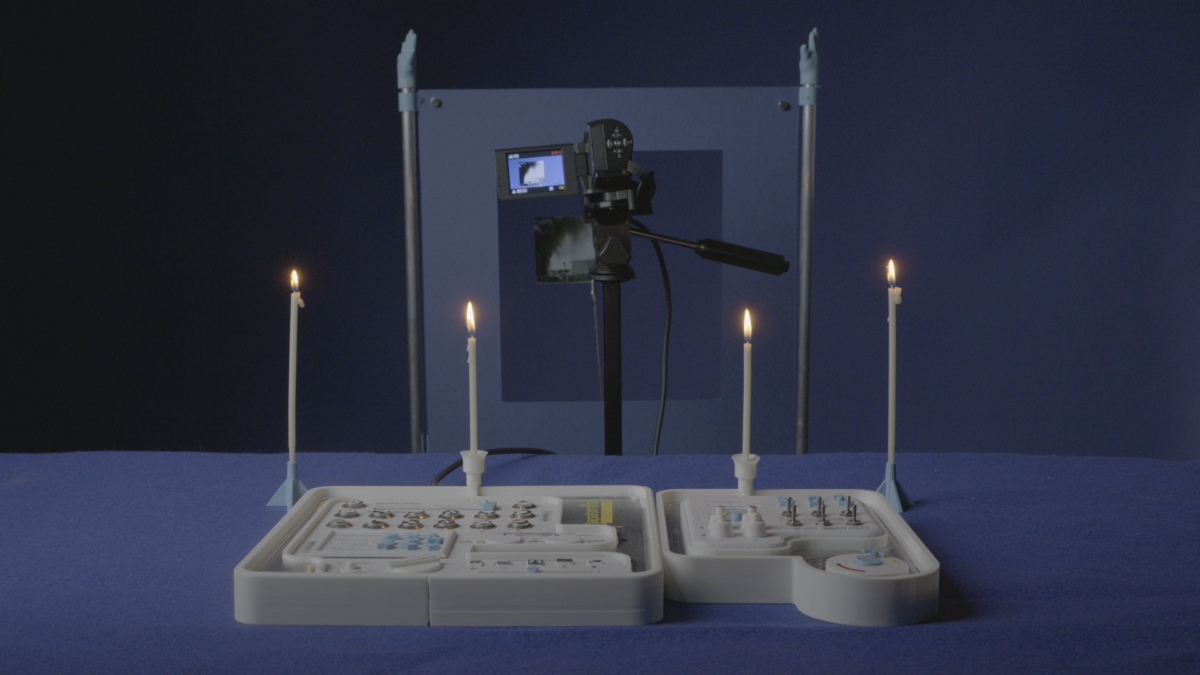
Martyna Marciniak is a Polish, Berlin-based artist and researcher working at the intersection of sculpture, video, and animation. Her practice is informed by a critique of political structures, systemic violence, and their visual strategies. For the Vilém Flusser Residency for Artistic Research, Martyna expands on her research into the poetics and politics of visual misinformation by exploring how images fabricate belief and generate a sense of hyperstition: a space where the fake and the real become inseparably entwined. Her research into online media culture and its echoes of early techno-optimism traces the recursive loops through which meaning is produced, of possible pasts and connected futures.
The 2026 residencies support research-based practices that build on existing projects or develop new ones in fields such as media studies, science and technology studies, media art and theory, art criticism, digital art, and moving image practices. The programme offers participants a two-month hybrid residency: four weeks of remote work followed by one month on-site at transmediale’s studio space in Berlin in June 2026.
As a core part of transmediale’s activities, the residency programme focuses on supporting sustainable practices and long-term relationships with artists, emphasising a process-oriented approach rather than output-driven presentations. By bringing together diverse disciplines and practices, the programme aims to expand transmediale’s local and international networks and the festival’s community.

transmediale has been funded as a cultural institution of excellence by the Kulturstiftung des Bundes (German Federal Cultural Foundation) since 2004.