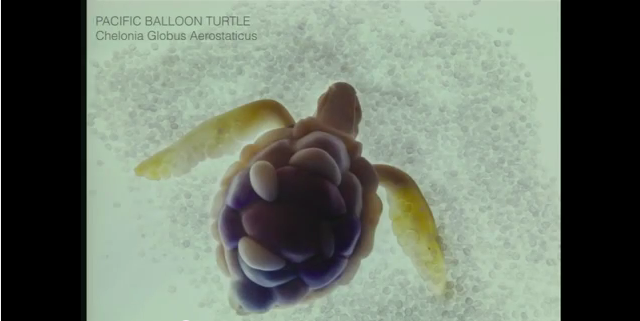
Starting from Yoldas' project An Ecosystem of Excess and her artistic approach through speculative design and biology, this panel will analyze and discuss the impact on what we call "nature" and the term's ontological crisis. In her exhibition, plastics are the starting point for thinking a new speculative evolution. Plastics have radically changed our environment and the ecological footprint we are leaving on the planet, and in big part contributed to the ecological turn that we are experiencing as one symptom of the anthropocene. But plastic seems to even have become a natural force of its own, unstoppable, invading every space, eliminating and ousting bit by bit the life that had been inhabiting these spaces before. Do plastics have their own agenda? If so, what do we find if we study the ethology of plastics? If there are more and more parts of the ocean where we find numbers of plastic molecules and particles that are many times higher than those of plankton, what is left of "nature" - and the world - as we know it? The ubiquity of plastic, mostly in the form of trash, is creating a new kind of "nature", and therefore "environment", which we will use as a starting point to rethink the term and its meaning today, as well as the geopolitical and ethical thinking related to it. In an attempt to overcome old habits of thoughts we will reflect on possible ways of positioning ourselves in relation to other humans as well as nonhumans in these "next" or “post-natural" landscapes surrounding us.
Read more about the partner exhibition at the project space of the Ernst Schering foundation.
...Ausgehend von Pinar Yoldas Projekt An Ecosystem of Excess und ihrem künstlerischen Ansatz, der aus dem Bereich des spekulativen Designs und der Biologie kommt, sollen in diesem Panel die Auswirkungen auf das, was wir „Natur“ nennen, und die ontologische Krise dieses Begriffes analysiert und diskutiert werden. In ihrer Ausstellung wird Plastik zum Ausgangspunkt für eine neue, spekulative Evolutionskette. Plastik hat zu tiefgreifenden Veränderungen in unserer Umwelt und dem ökologischen Fußabdruck geführt, den wir auf dem Planeten hinterlassen; es hat einen großen Beitrag zu der ökologischen Wende geleistet, welche wir als eines der Symptome des Anthropozäns erleben. Aber Plastik scheint sogar eine Naturgewalt ganz eigener Art geworden zu sein - unaufhaltbar dringt es zu jedem Winkel vor und beseitigt und verdrängt dabei Stück für Stück das Leben, das bis dahin diese Orte bewohnte. Verfolgt Plastik ganz eigene Ziele? Und wenn ja, was können wir dann durch die Verhaltensforschung von Plastik herausfinden?Wenn wir in immer mehr und mehr Bereichen der Ozeane eine höhere Anzahl an Plastikpartikeln als an Plankton finden, was genau ist dann übrig geblieben von der „Natur“ - und der Welt - die wir glauben zu kennen? Die Allgegenwart von Plastik, in der Regel in Form von Müll, erschafft eine neue Art von „Natur“, und somit „Umwelt“, welche wir als Ausgangspunkt nehmen werden um diese Begriffe und ihre Bedeutung neu zu denken sowie damit verbundene geopolitische und ethische Fragestellungen in der heutigen Zeit zu reflektieren. In dem Versuch, altgewohnte Denkweisen zu überwinden, soll hier über die Möglichkeiten nachgedacht werden, wie wir uns selbst innerhalb dieser uns umgebenden „nächsten“ oder „post-naturalen“ Landschaften sowohl im Verhältnis zu anderen Menschen als auch zu anderen Lebewesen und Dingen positionieren können.
Mehr zur Partnerausstellung im Projektraum der Schering Stiftung hier.
Related Media
 Panel: An Ecosystem of Excess at transmediale 2014 afterglow
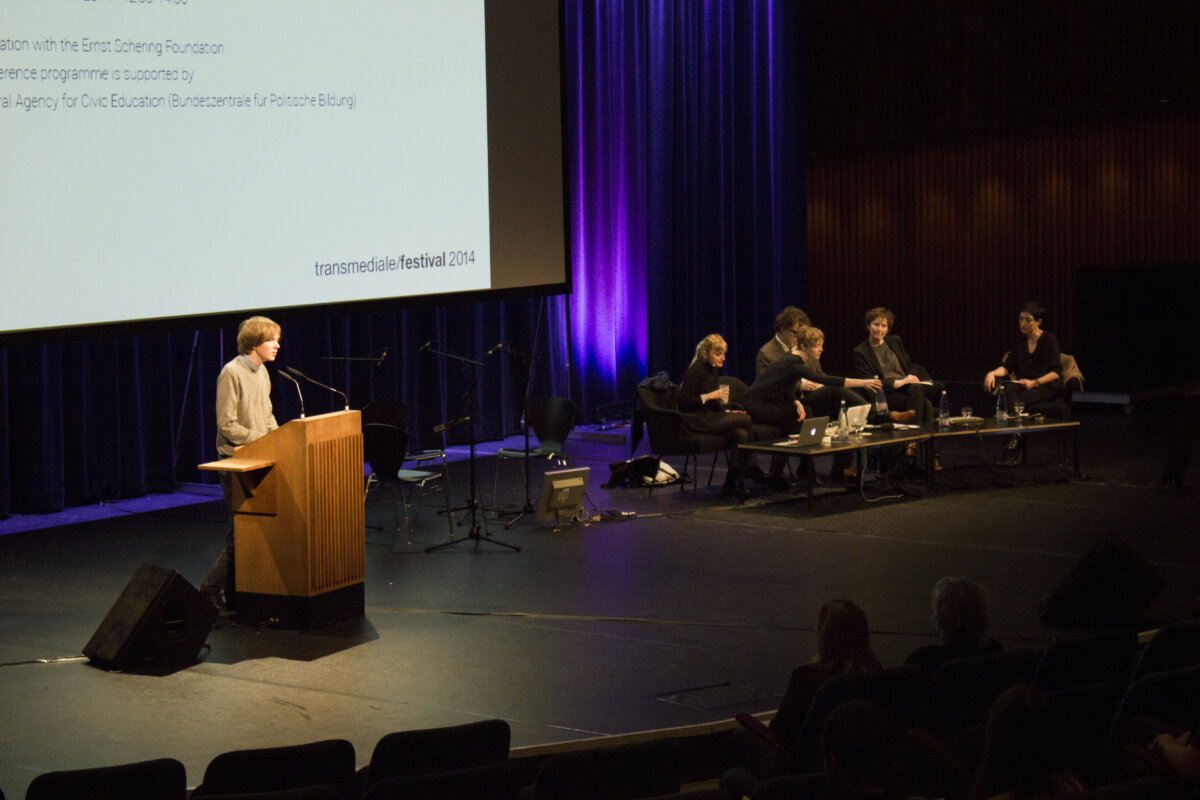 Kristoffer Gansing (left) introducing the panel "An Ecosystem of Excess"
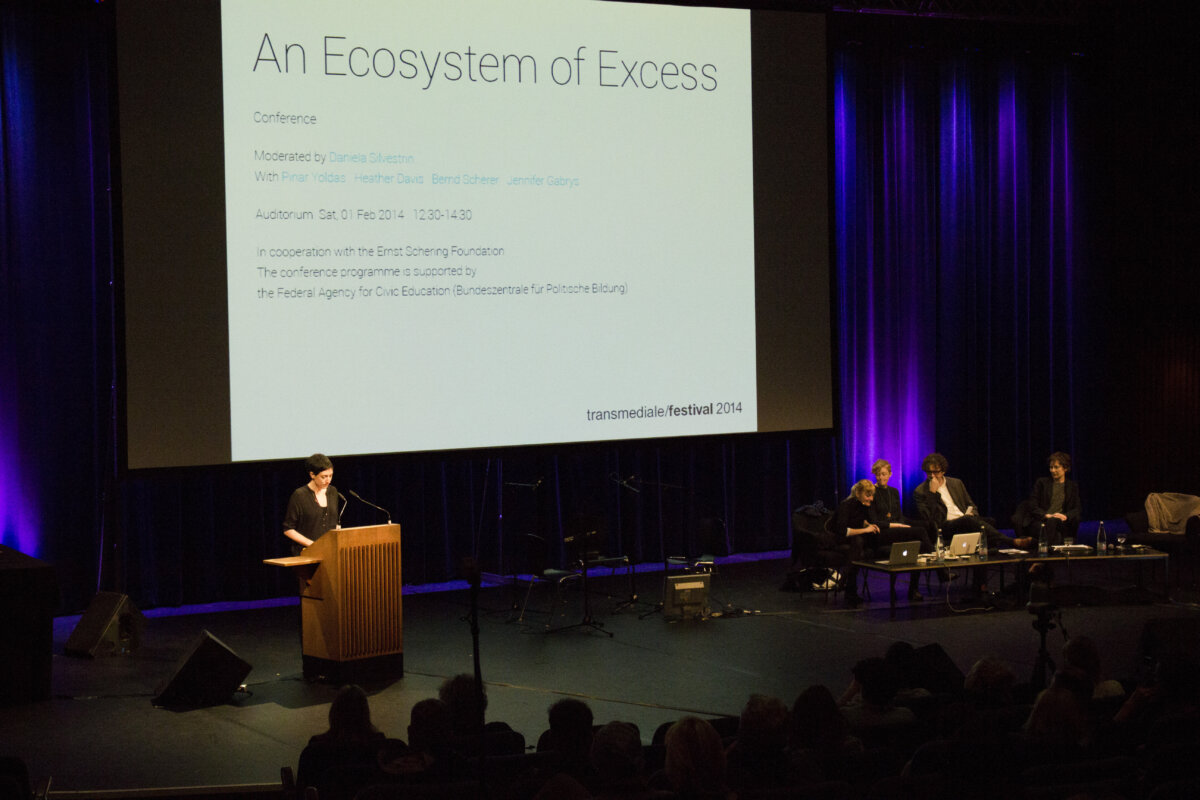 Daniela Silvestrin (left) introducing the panel "An Ecosystem of Excess"
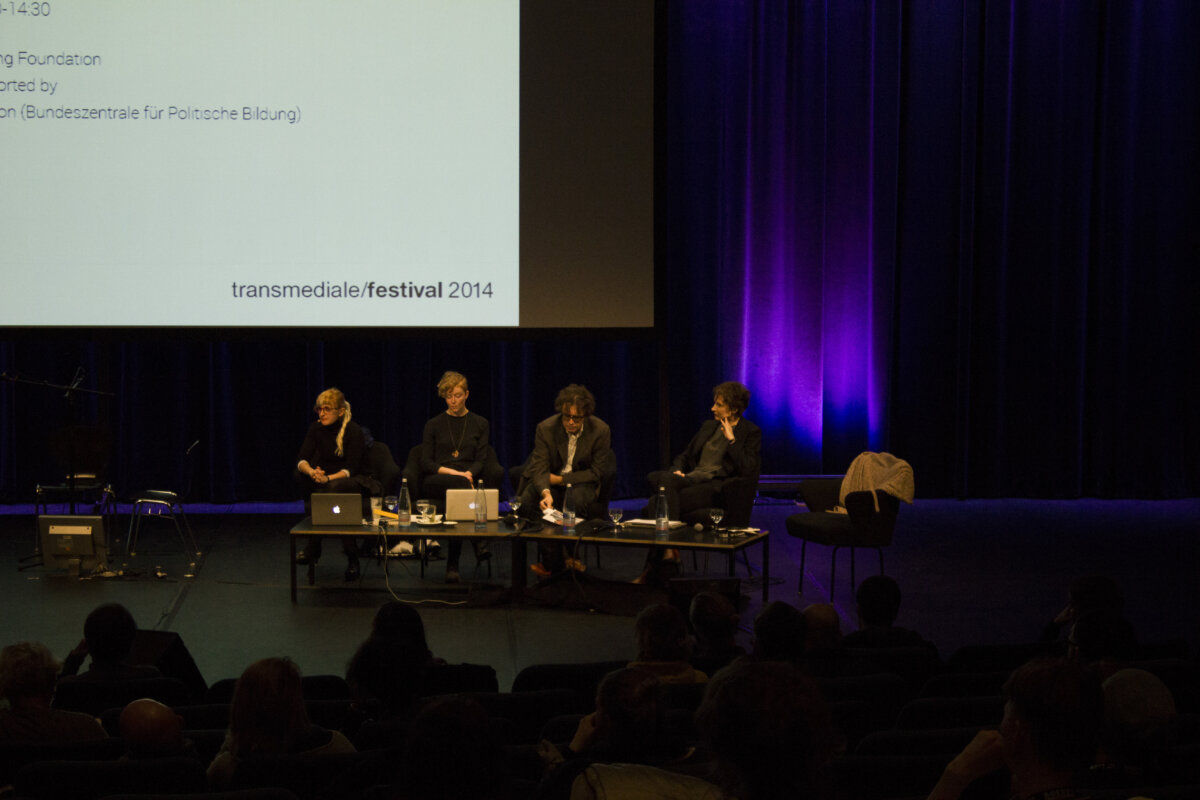 Pinar Yoldas, Heather Davis, Bernd Scherer and Jennifer Gabrys (left to right) at "An Ecosystem of Excess"
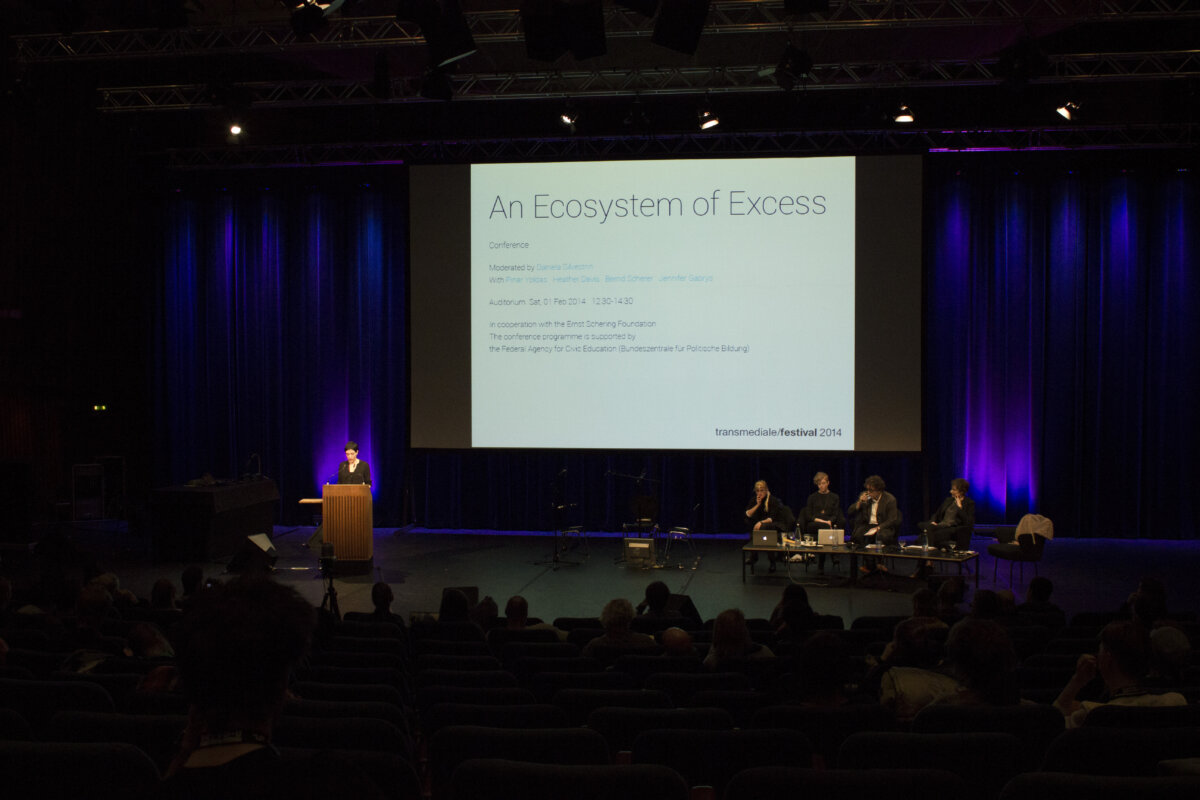 Daniela Silvestrin (left) introducing the panel "An Ecosystem of Excess"
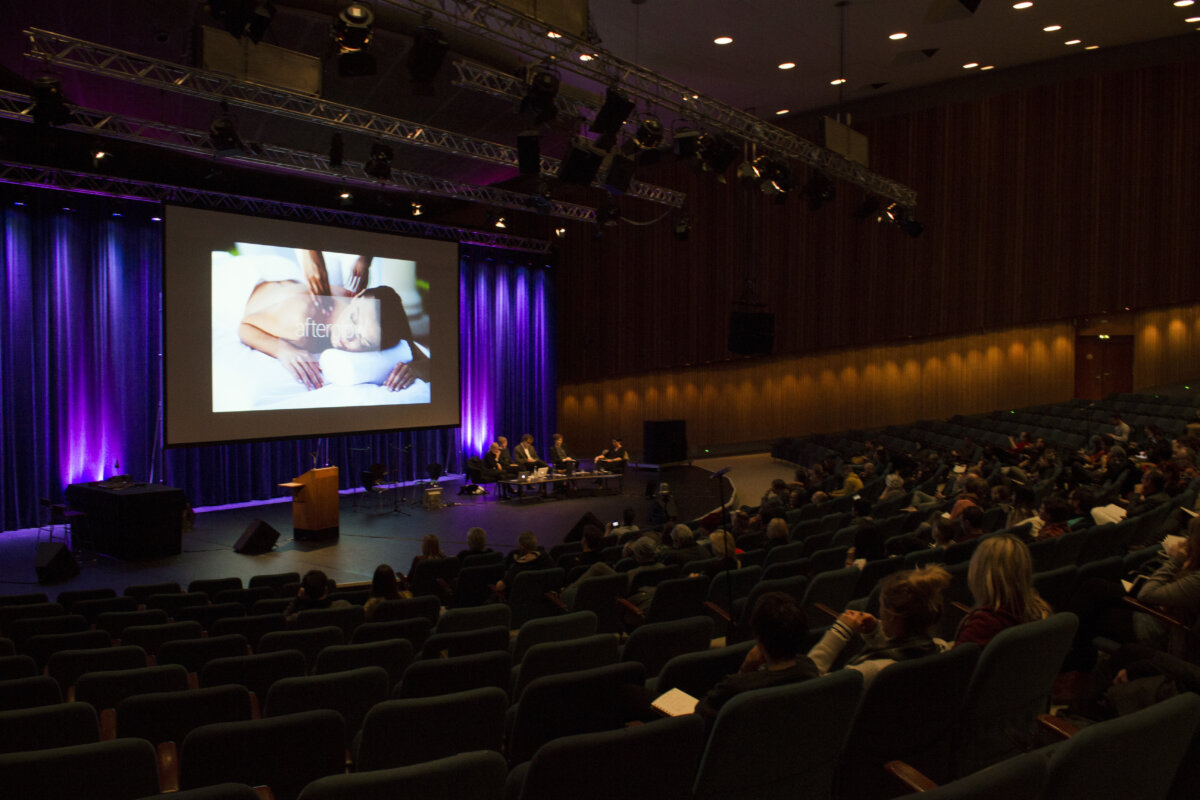 Impression of the panel "An Ecosystem of Excess"