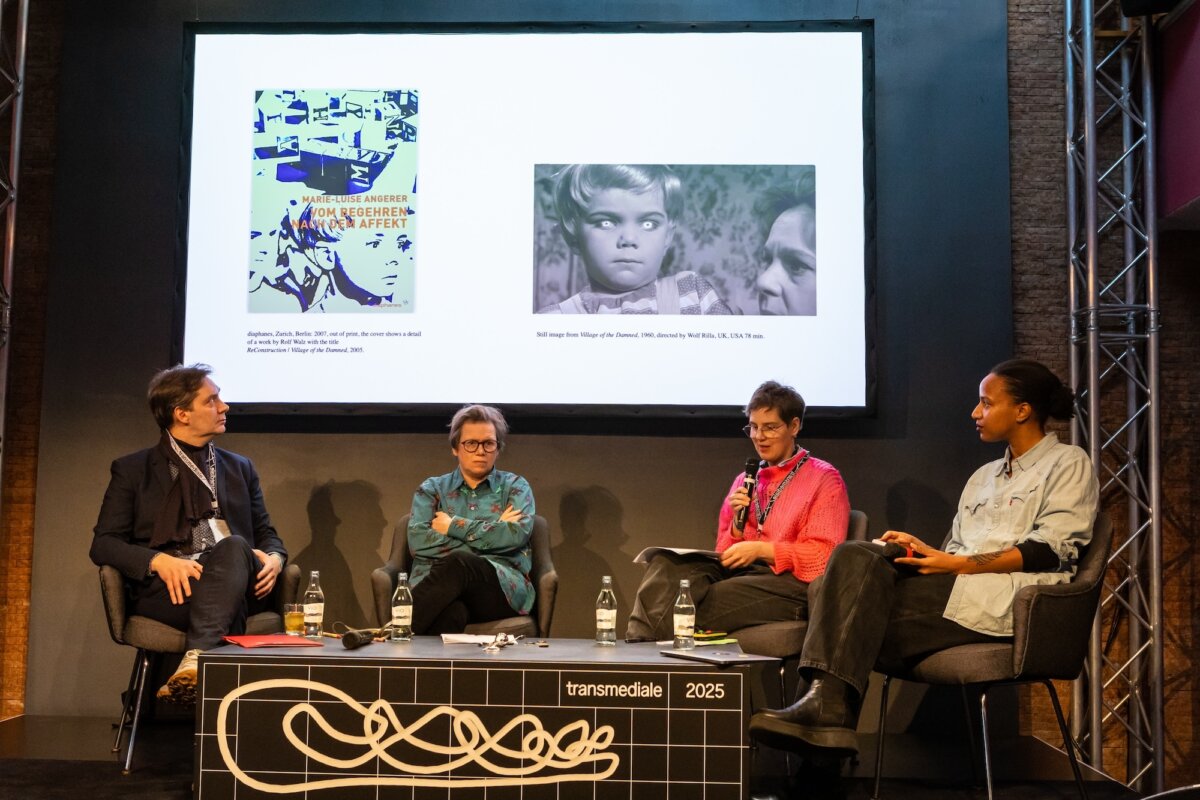
with Bernd Bösel, Karin Harrasser, Marietta Kesting
Moderated by Djamila Grandits
The Marie-Luise Angerer Lecture, initiated in 2025, commemorates the outstanding media and cultural theorist and scholar whose influential work on affect, technology, and gender has shaped the contemporary media studies discourse with a lasting impact. Known for her interdisciplinary approach, Marie-Luise Angerer critically examined the intersections of media, embodiment, and the arts, offering new perspectives on how technology mediates human experiences and relationships. This lecture honors her contributions to research and discourse while highlighting the contemporary relevance of her ideas.
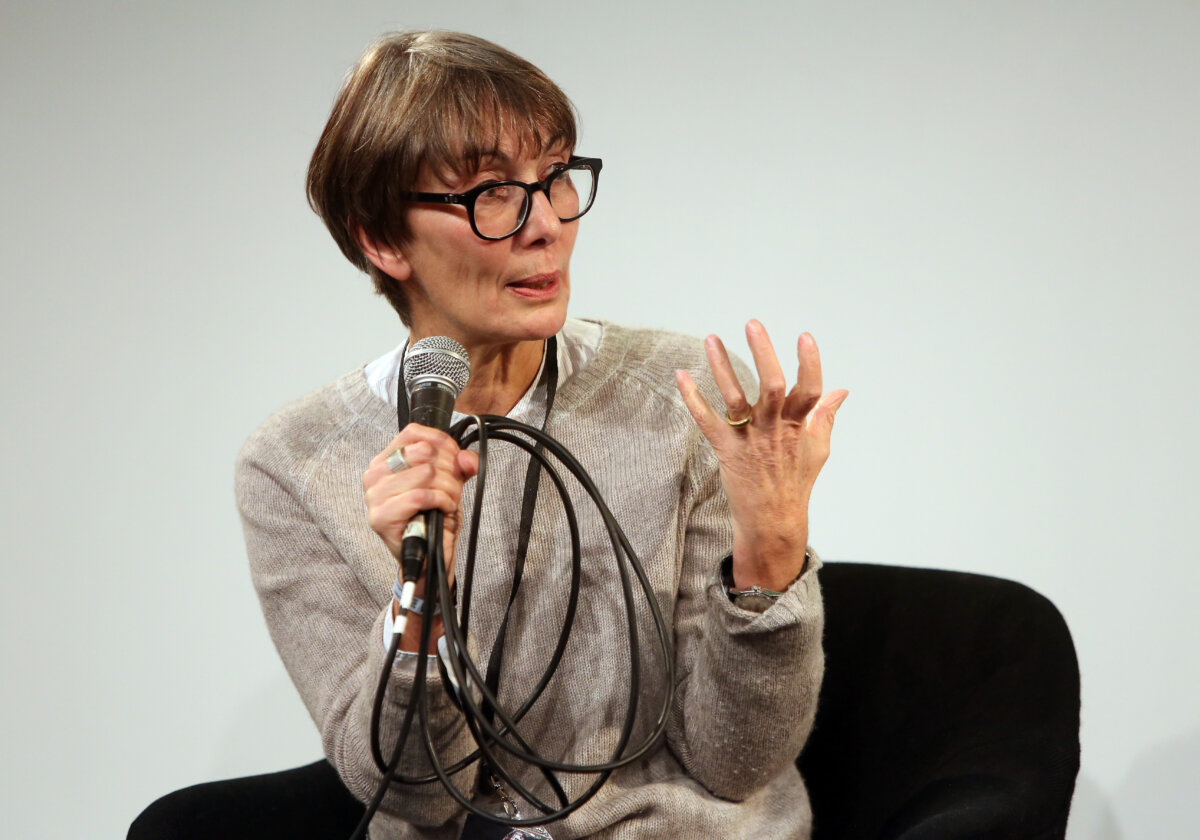
Marie-Luise Angerer (1958–2024) held the Professorship for Media Theory/Media Studies at the University of Potsdam from 2015, teaching in the Media Studies (EMW) programme at the University of Potsdam and University of Applied Sciences Potsdam. She was the Director of the Brandenburg Center for Media Studies (ZeM) and, from 2018 to 2023, served as spokesperson for the research group SENSING. The Knowledge of Sensitive Media. A longstanding contributor to the festival's programme, she was a member of transmediale’s advisory board from 2010 to 2020. Through her writing, teaching, and collaborative projects, Angerer left a profound legacy that continues to influence media studies, cultural theory, and beyond.
With this commemorative event, transmediale wishes to honor Marie-Luise Angerer as a long-time ally and supporter of the festival, and at the same time keeping her theoretical and thematic influence present in the festival’s programme. The inaugural lecture will take place as a panel discussion featuring Bernd Bösel, Karin Harrasser, and Marietta Kesting, introduced and moderated by Djamila Grandits. The starting point will be Angerer’s latest research topics; including questions on technologies of containment, the nonconscious, and ecology of affect.
The Marie-Luise Angerer Lecture was initiated in 2025 and is a collaboration between transmediale and the Media Studies (EMW) at University of Potsdam and University of Applied Sciences Potsdam. With additional support from the Austrian Cultural Forum Berlin.