Containertechnologien
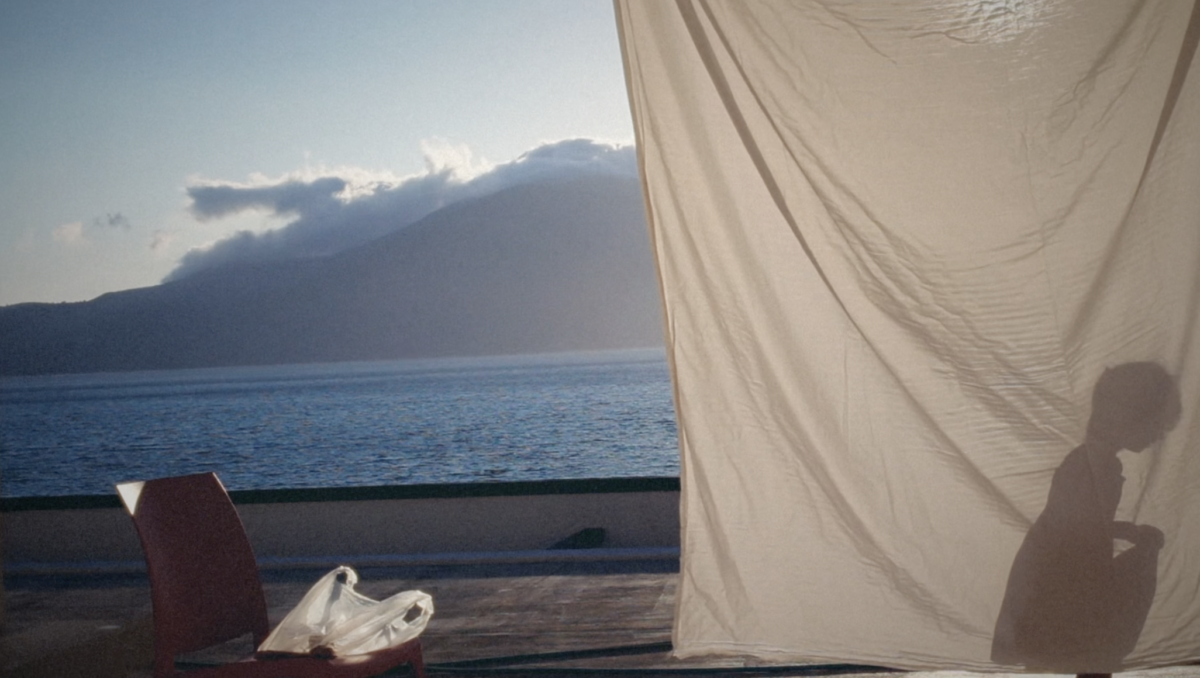
What does it mean to hold, as a technological as much as a cultural practice? And what alternative narratives about technology open up when we stop thinking of it as a tool of conquest? The writer Ursula K. Le Guin wrote mostly science fiction and political utopias, proposing that the history of humanity be understood not as a heroic narrative but as the history of what we carry, what we collect, preserve, and pass on to others. The Carrier Bag Theory of Fiction (1986) forms the starting point for a feminist counter-narrative to the dominant story of technological history. Engaging with questions of infrastructure, care work, and the relationship between speculative feminisms and the political potential of science fiction, Marina Naprushkina and Hannah Wallenfels are in conversation, moderated by Anna-Lena Panter.
The discourse series conversation pieces takes everyday technologies as its starting point and situates them in the context of the swimming pool. Each edition departs from a text that sets the thematic frame and serves as a shared point of reference. Invited guests engage with the topic from artistic, theoretical, or technological perspectives, sharing their thoughts and work in dialogue. Here, where we can drift in the water and the gentle sound of splashing forms a steady background hum, the question which technologies carry us and which pull us under is close at hand. A cooperation with transmediale festival, curated by Anna-Lena Panter.
Marina Naprushkina is an interdisciplinary artist who works primarily outside institutional spaces, focusing on networks based on self-governance. She investigates possibilities and forms of resilience, feminist narratives, and care networks, informed by intersectional and feminist critique. Since 2013, she has been co-founder of the initiative Neue Nachbarschaft/Moabit, dedicated to building a community of solidarity between people with and without experience of migration.
In various contexts, Hannah Wallenfels asks who thinking belongs to – and who counts as a thinker. Working at the intersection of the history of philosophy and feminist theory, she currently investigates how authorship and authority emerge and shift, and teaches on these questions at various universities. As a co-founder of the theory collective diffrakt, she also develops collective formats beyond the classical lecture: event series, workshops, and reading groups – on themes such as care work, cyberfeminism, canon critique and science fiction.
The discourse series conversation pieces is a cooperation between Tropez and transmediale, curated by Anna-Lena Panter.