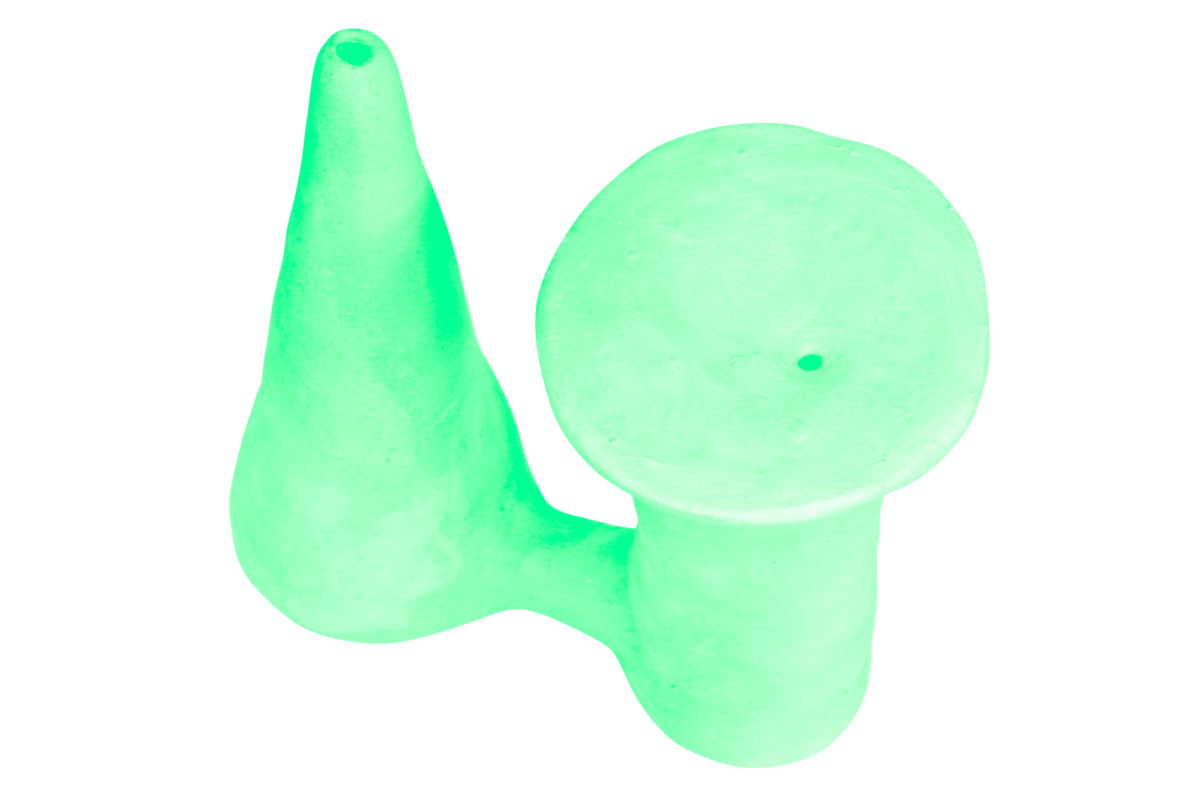
Nearly all aspects of everyday life are regulated and mediated through counting, measurement, and statistical analysis, establishing relations of power and knowledge. Although calculation has enabled advances and innovation across the domains of science, health, politics, and work for centuries, algorithmic bias and fixed categories can obfuscate action and automate surveillance, determining who or what is valued within data sets, databases, and computational infrastructures. From the disqualification of athletes because of the indeterminacy of their gender to the capitalist logic of carbon offsets, our methods of calculation must be re-evaluated.
How can data collection and the classification of information be reconsidered via different techniques of knowing? Calculation Otherwise will ask how forms and acts of refusal might open up possibilities for calculation to be reimagined, exploring values beyond number and measure to facilitate new, more careful scales.