in/compatible publics
Panel with Jacob Appelbaum (us), Gabriella Coleman (us), Dana Buchzik (de) and anonymous
Moderated by Tatiana Bazzichelli (it/de)
Chaired by Krystian Woznicki (de/pl)
In the book Pranks! (Re/Search, 1987), V. Vale and Andrea Juno pointed out that pranks, tricks and ludicrous actions are functional to express a continual poetic renewal, using the elements of surprise, irony and social criticism. Since that time the strategy of anonymity, as the critique of a rigid identity, and the creation of a multi-use philosophy of sharing, has been functional in redefining art practice through disruptive interventions, as well as served as a tool to reflect on the meaning of authority. Today the strategy of anonymity is still a vehicle to question the institutional media system and has often plunged it into crises by exposing its bugs and highlighting its vulnerability. But, mixing up with contemporary social media culture, being anonymous means to produce a new aesthetics – new linguistic codes – where poetic images, disruptive strategies (such as trolling and DDoSing) intertwine with multiple possibilities for lulz and pleasure. Is anonymity a tool for distributed and viral political struggle or is it the endless trick of an intangible crowd of pranksters?
Individual Presentation Descriptions
Dana Buchzik (de)
Descriptive text on the panel presentation:
My presentation will deal with anonymity as a healthful intervention. Based on a true incident, the story is told from the perspective of a phobic girl who isn't capable of mingling with people or even leaving the house. After effectless hospital treatments, she finds her way back to life by talking to strangers on the internet. Instead of only exposing her diseased parts, she tells stories about the self she wants to be, using the potential of anonymity to create a healthier self.
(Image: Tim Libert https://timlibert.me/writing/?page_id=6)
...in/compatible publics
Panel with Jacob Appelbaum (us), Gabriella Coleman (us), Dana Buchzik (de) and anonymous
Moderated by Tatiana Bazzichelli (it/de)
Chaired by Krystian Woznicki (pl/de)
In ihrem Buch Pranks! (Re/Search, 1987) zeigten V. Vale und Andrea Juno, dass Streiche, Tricks und lächerliche Aktionen dazu in der Lage sind, Dinge auf poetische Weise durch Überraschungseffekte, Ironie und Sozialkritik zu erneuern. Seitdem war die Strategie der Anonymität dazu hilfreich, die Kunst durch Unterbrechungen und Interventionen neu auszurichten und um über die Bedeutung von Autorität nachzudenken. Noch heute ist Anonymität eine Strategie, mit der das institutionelle Mediensystem in Frage gestellt werden kann, hat sie es nicht schon oft in Krisen gestürzt, indem sie seine Fehler und Verletzlichkeit aufzeigen konnte. Im Hinblick auf die zeitgenössische Medienkultur aber heißt Anonymität v. a. die Begründung einer neuen Ästhetik und neuer sprachlicher Codes, wo poetische Bilder und disruptive Strategien (wie Trolling und DDoSing) sich mit vielerlei Vergnügen verbinden. Stellt die Anonymität ein Hilfsmittel für den verbreiteten und viralen politischen Kampf dar oder bleibt sie der nicht enden wollende Trick einer undurchdringlichen Gruppe von Spaßvögeln?
Individual Presentation Descriptions
Dana Buchzik (de)
Descriptive text on the panel presentation:
My presentation will deal with anonymity as a healthful intervention. Based on a true incident, the story is told from the perspective of a phobic girl who isn't capable of mingling with people or even leaving the house. After effectless hospital treatments, she finds her way back to life by talking to strangers on the internet. Instead of only exposing her diseased parts, she tells stories about the self she wants to be, using the potential of anonymity to create a healthier self.
(Image: Tim Libert https://timlibert.me/writing/?page_id=6)
Related Media
 Panel Introduction - Anonymous Codes: Disruption, Virality and the Lulz
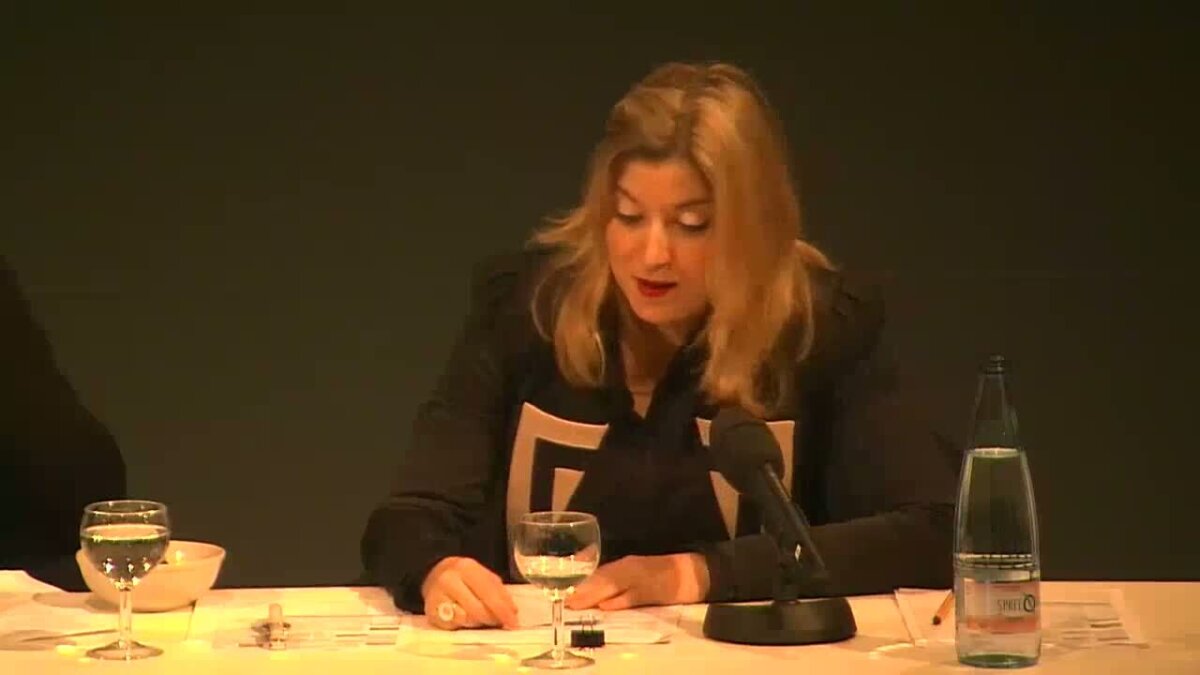 Presentation Dana Buchzik - Anonymous Codes: Disruption, Virality and the Lulz
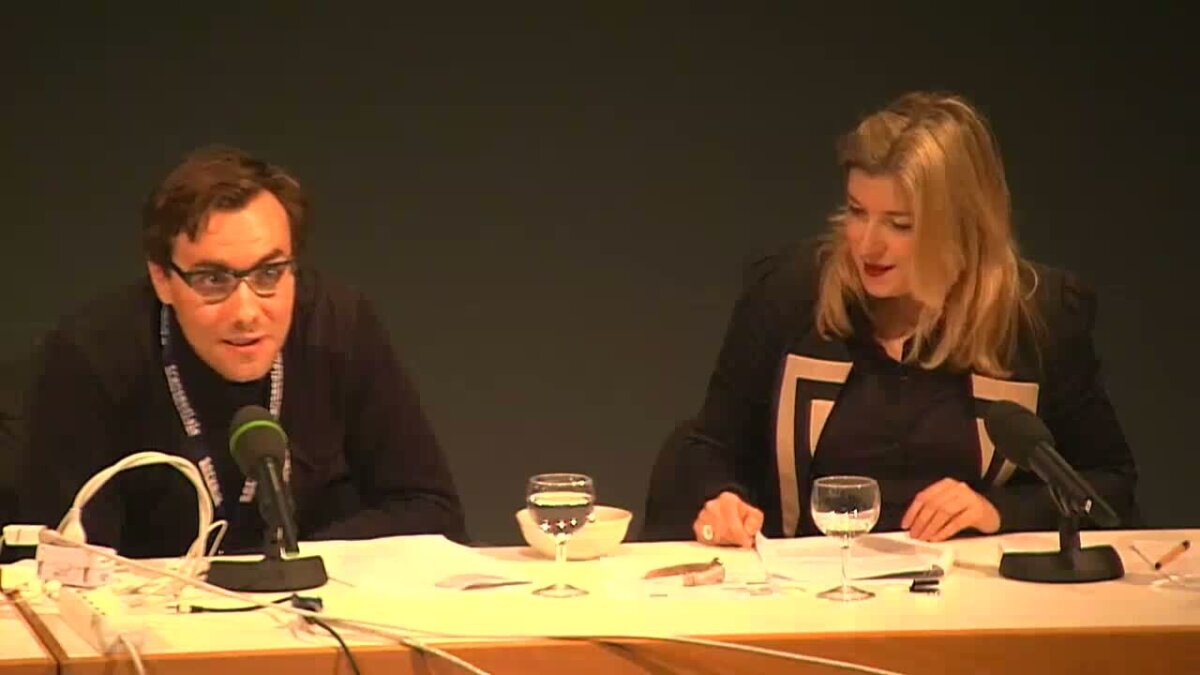 Presentation Jacob Appelbaum - Anonymous Codes: Disruption, Virality and the Lulz
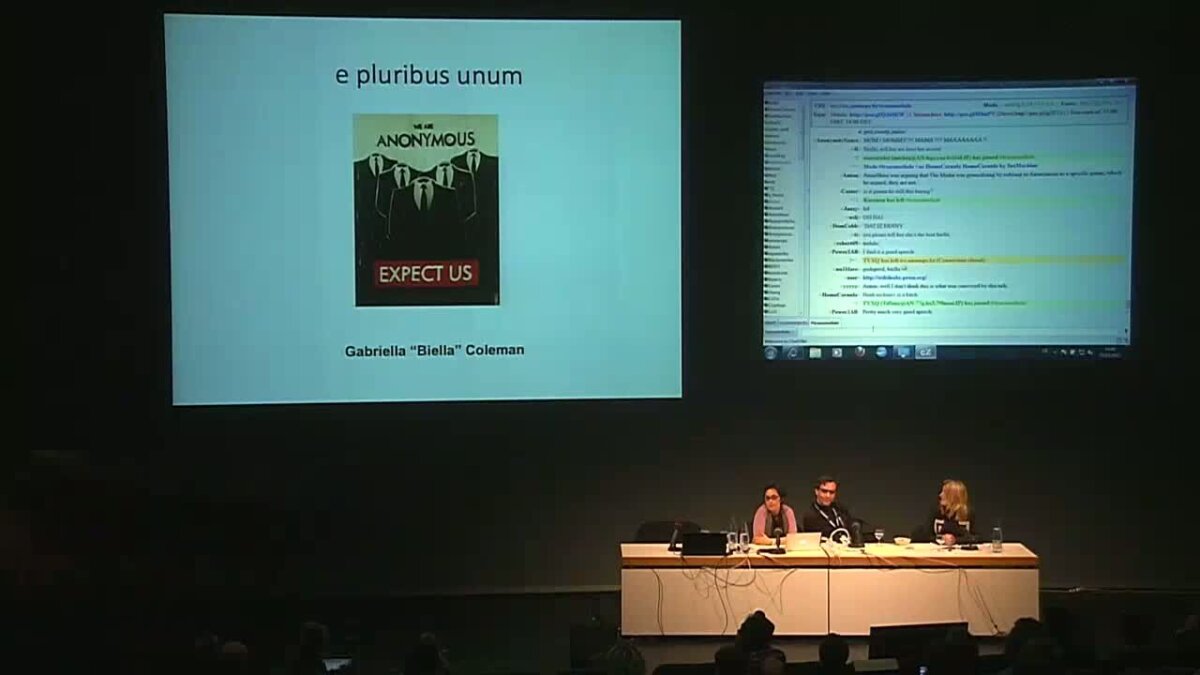 Presentation Gabriella Coleman - Anonymous Codes: Disruption, Virality and the Lulz
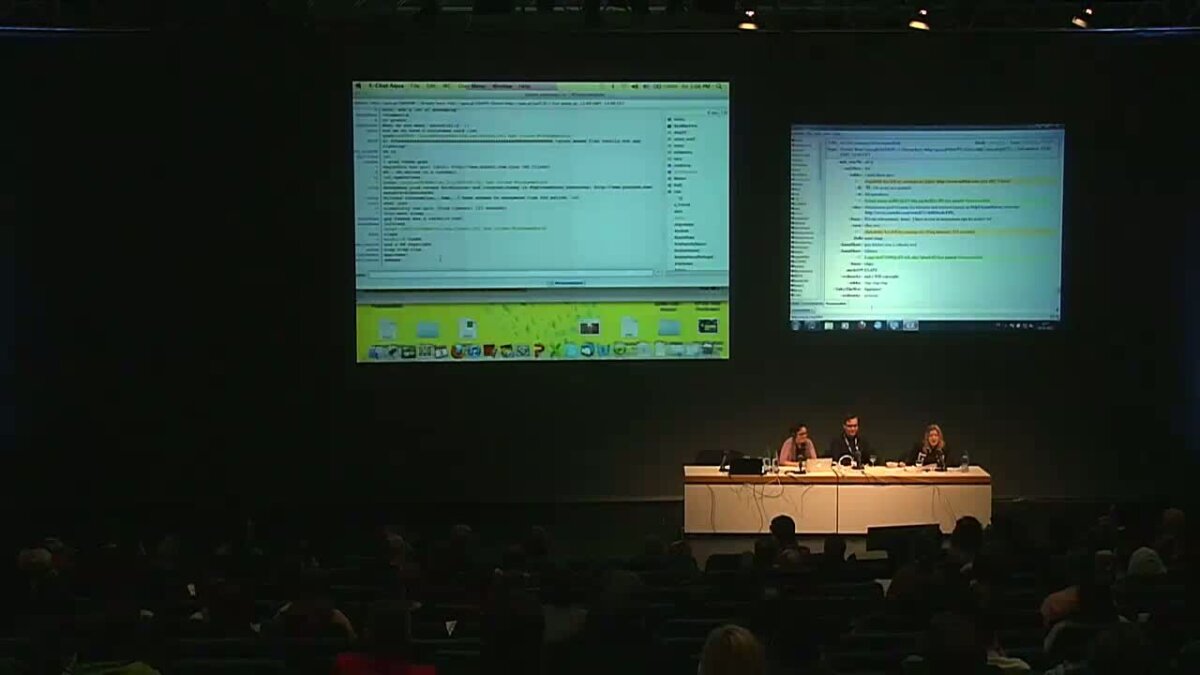 Presentation Anonymous - Anonymous Codes: Disruption, Virality and the Lulz
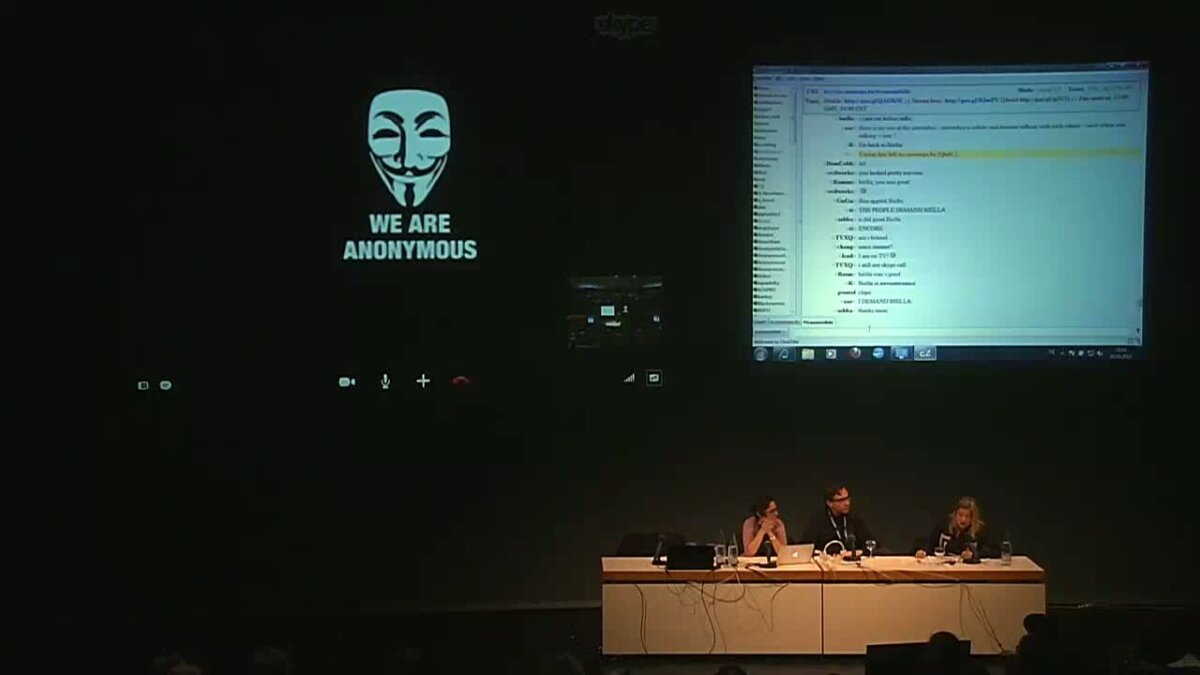 Discussion - Anonymous Codes: Disruption, Virality and the Lulz
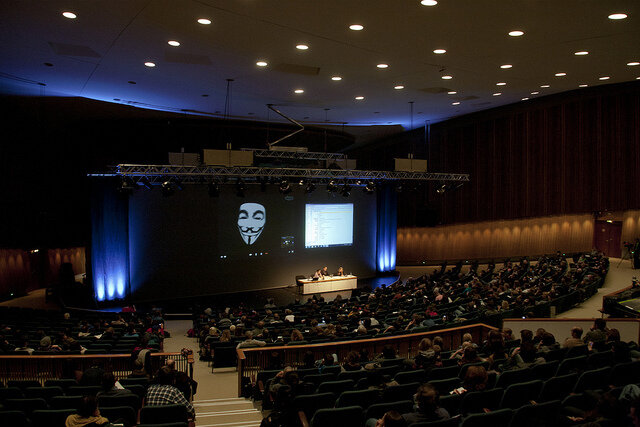 Impression of the panel "Anonymous Codes: Disruption, Virality and the Lulz"
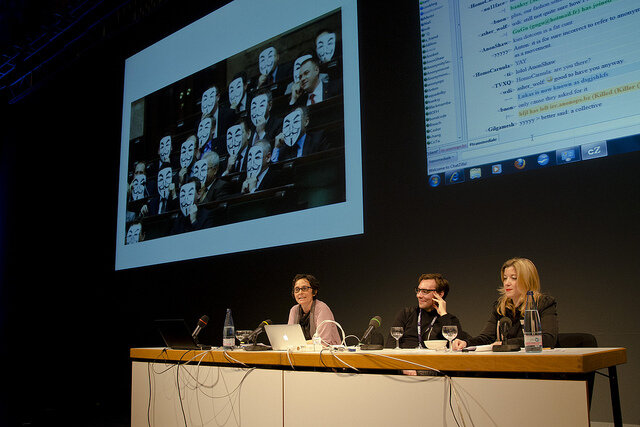 Gabriella Coleman, Jacob Appelbaum and Tatiana Bazzichelli (left to right) at "Anonymous Codes: Disruption, Virality and the Lulz"
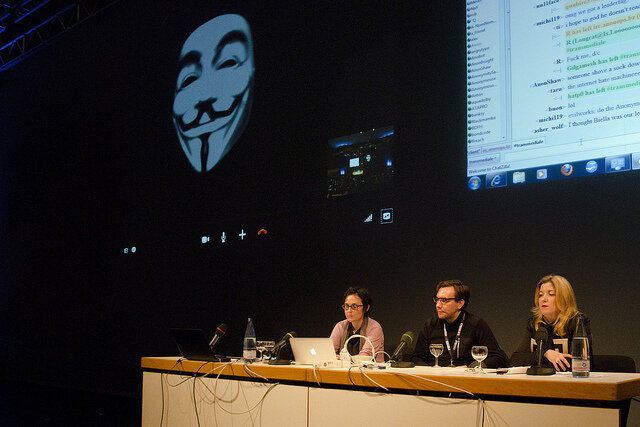 Gabriella Coleman, Jacob Appelbaum and Tatiana Bazzichelli (left to right) at "Anonymous Codes: Disruption, Virality and the Lulz"
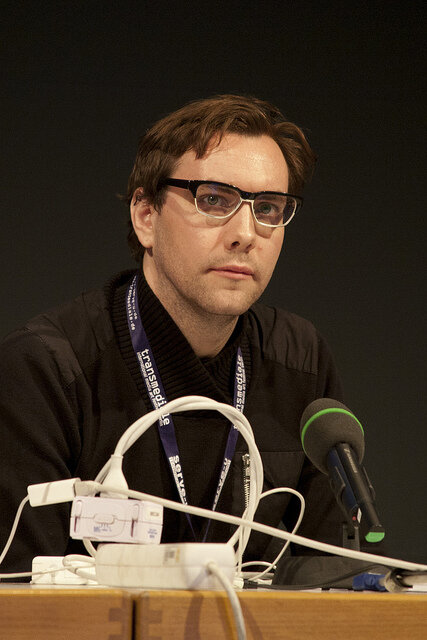 Jacob Appelbaum at "Anonymous Codes: Disruption, Virality and the Lulz"
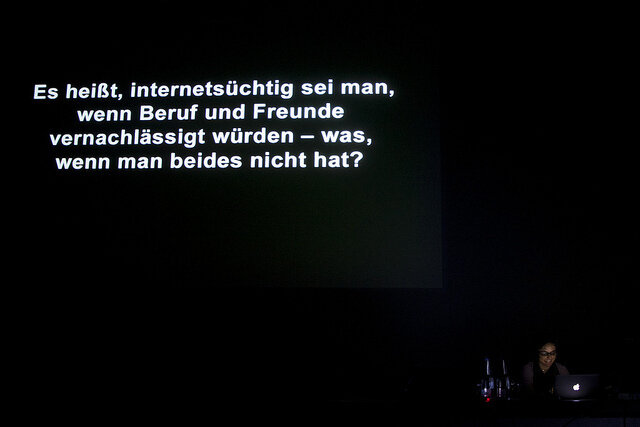 Impression of "Anonymous Codes: Disruption, Virality and the Lulz"
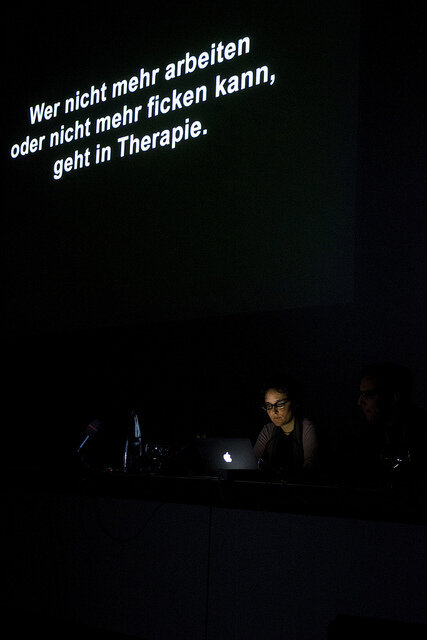 Gabriella Coleman at "Anonymous Codes: Disruption, Virality and the Lulz"
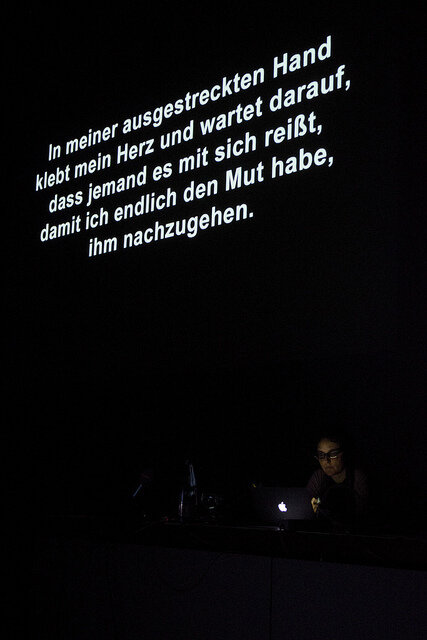 Gabriella Coleman at "Anonymous Codes: Disruption, Virality and the Lulz"