Martyna Marciniak is the artist-in-residence for the 2026 Vilém Flusser Residency for Artistic Research in cooperation with Vilém Flusser Archive the University of the Arts Berlin (UdK). For the residency, Martyna will expand her ongoing research into the poetics and politics of visual misinformation by exploring how images fabricate belief and generate a sense of hyperstition: a space where the fake and the real become inseparably entwined.
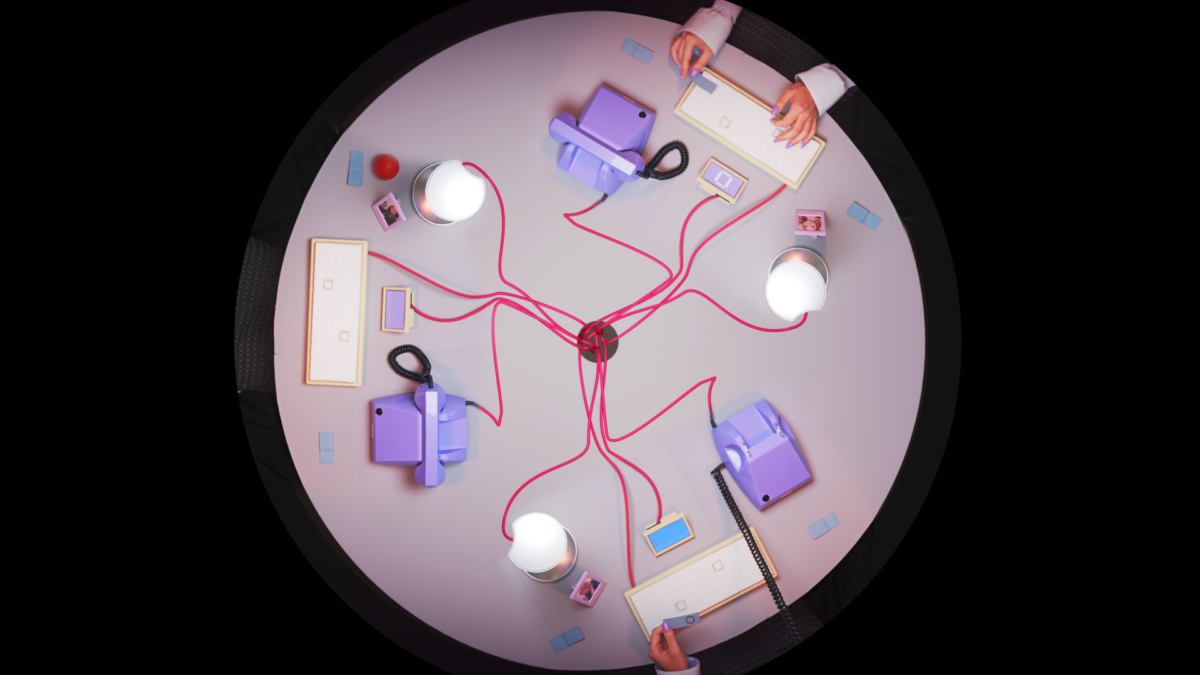
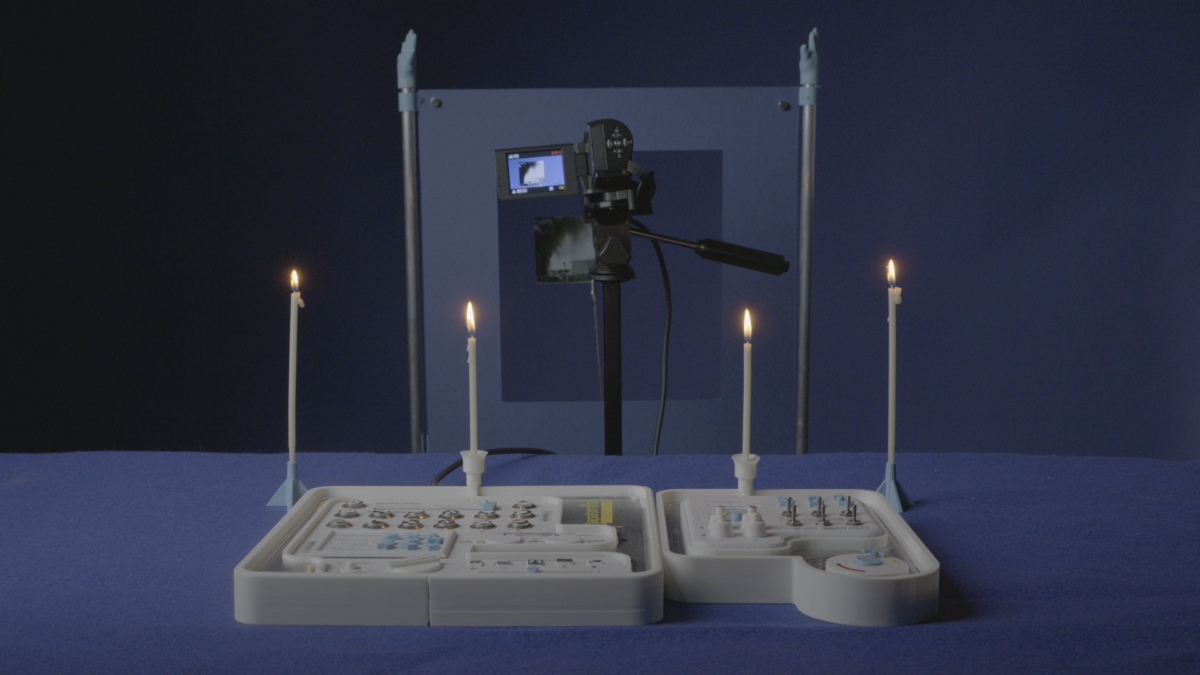
Martyna Marciniak was awarded the Vilém Flusser Residency for Artistic Research in 2026, transmediale's longest-running residency programme, now in its 13th iteration. Her new work Hyperstitions, Tsunamis & Y2K revisits known cases of collective misremembering and the idea of hyperstition: the recursive entanglement of fiction and reality, where imagined scenarios begin to shape perception and future possibility. The pop-cultural and technological conspiracies rooted in the Y2K era are examined with the rigour usually reserved for historical facts, while their specific details become folded into a video-based exploration of a speculative past.
The work takes as its core reference point the AI-generated staging of the statistically overdue Great Cascadia Earthquake, a disaster that "should have happened" around the year 2000, but didn't.1
From there, another ‘almost-event’ of the Y2K crash is revisited. This time the crash isn’t prevented, and is instead brought about by collective self-fullfilling fear, rather than computational limits or failing code. In this sense, technological "intuitionism" is foregrounded to challenge technological determinism: proposing that the cultural misreading of technology can actively reshape its impact.
The video component of the piece structurally mimics collective technological lapses such as the ‘Nuclear Gandhi’ software bug hallucinated by players of early editions of the Civilization game, or the mechanics behind the Y2K date correction. The sculptural props, both featuring in and displayed alongside the video, materially manifest the ideas behind technological intuitionism. The mechanics of collective hallucination and panic of the Y2K era, serve as a mirror to the current technological uncertainties and opacities brought on by AI.
jury
Tiara Roxanne, artist and researcher; Anna-Lena Panter for transmediale; and Mirjana Mitrović from the Vilém Flusser Archive.
credits
The Vilém Flusser Residency for Artistic Research is a collaboration between transmediale and the Universität der Künste Berlin.
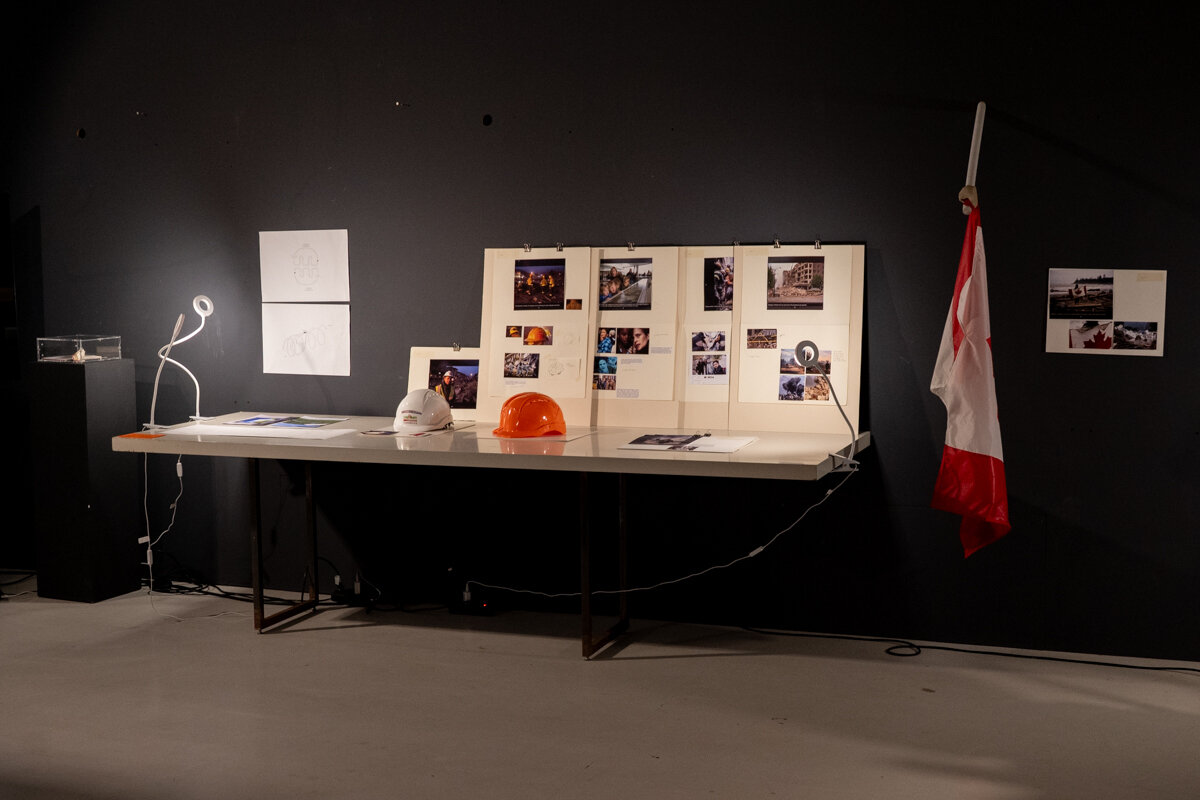
- 1 (the Cascadia Subduction Zone is a major fault line running approximately 1,000 kilometres along the Pacific coast of North America)