Amanda E. Metzger is the artist-in-residence for the 2026 Digital Art Residency in collaboration with Pro Helvetia. During the residency, Amanda will explore the imaginative potential of information gaps by linking computer science, quantum and bio computing with memory studies. Focusing on compression technologies as creative and relational tools, she treats compression not as reduction, but as a generative act.
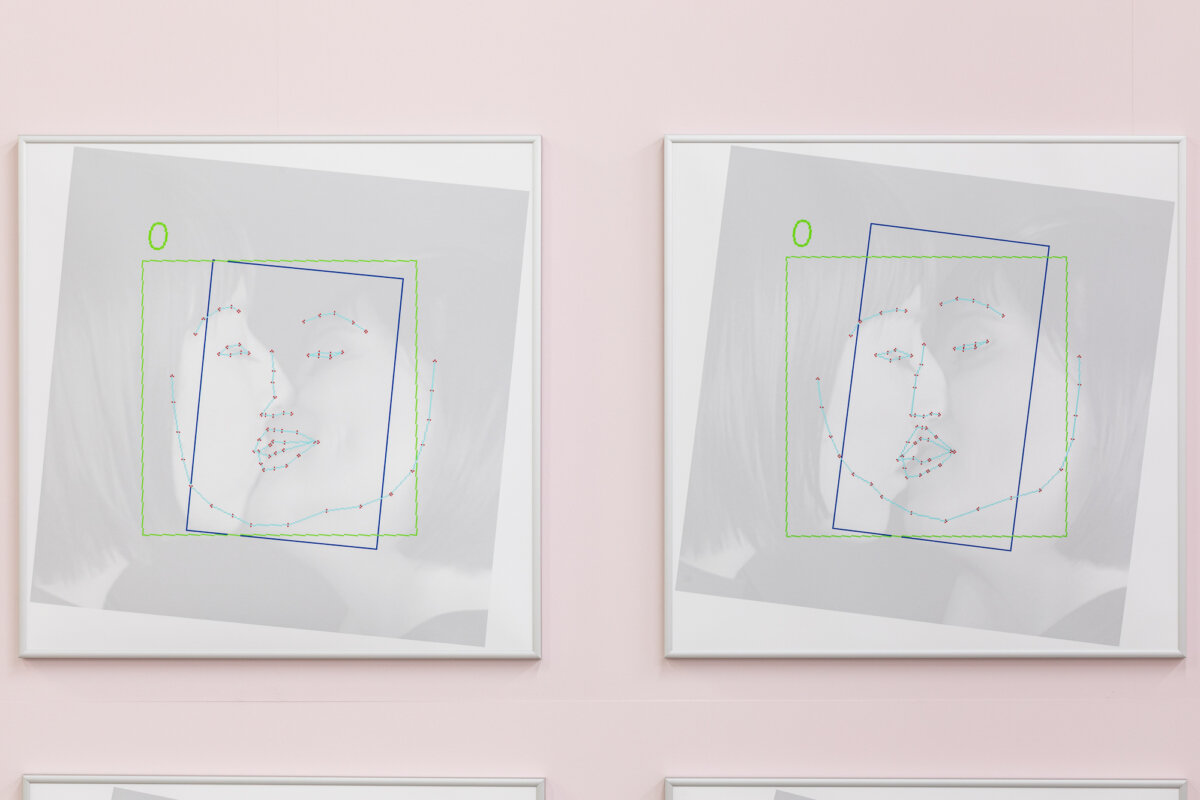
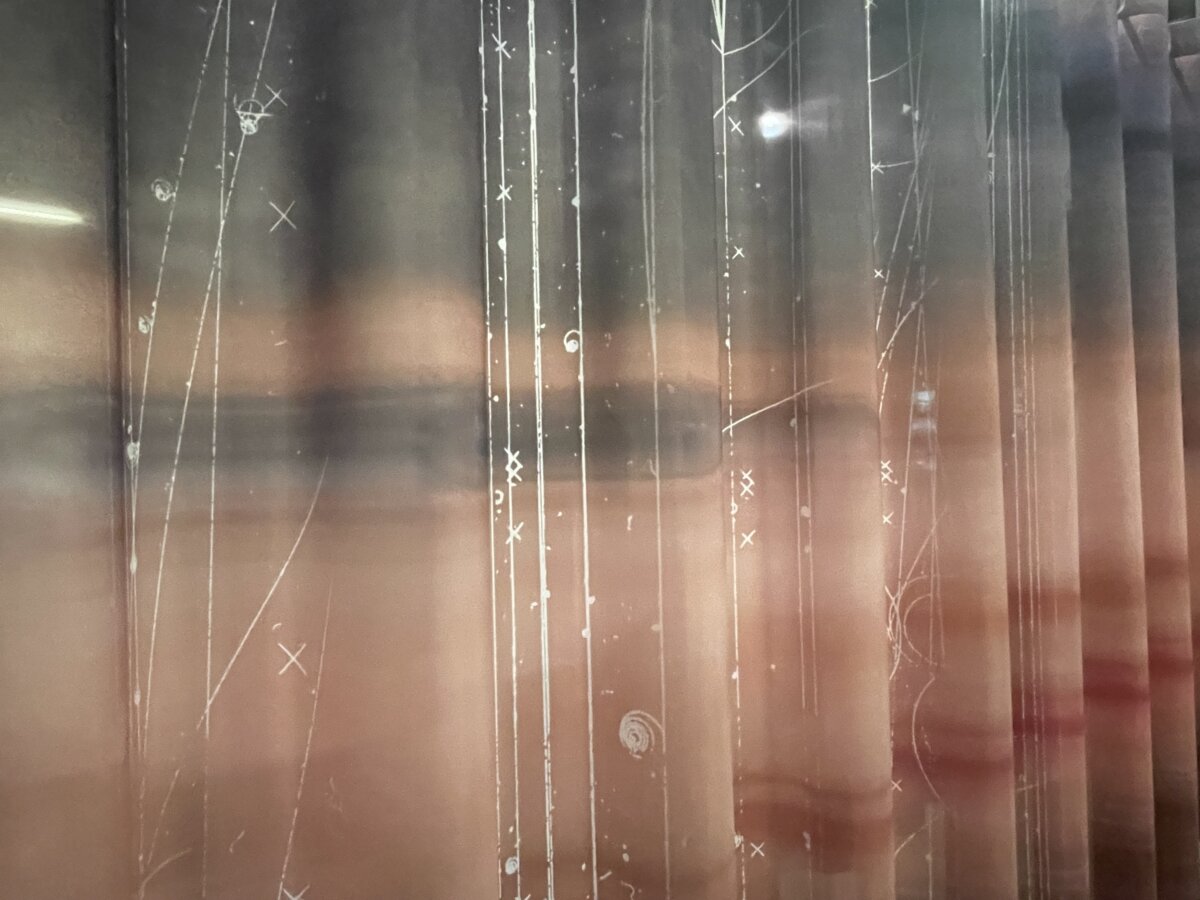
This year's Digital Art Residency consists of a hybrid residency with one month on-site in Berlin alongside a dedicated production grant for the realisation of a new work. Amanda E. Metzger will be working on Information Compression to Move Beyond Synchronomnia, a project investigating compression technologies as a generative tool.
The need to compress information has seemingly been lost; storage capacities and transmission rates increase day by day. There is no longer any point in remembering actual information, only the pointer to it. What are the effects of non-remembering but only recording? And how do we leave the present-past behind to overcome the information vortex we find ourselves caught in?
Over the last three decades, information has become available instantaneously and voluminously through technological development. We could therefore refer to the current moment as "synchronomnia", referring to everything at the same time rather than "post"-anything. This synchronomnia, in which the past remains present in most of its details, places us in a state of constant overload. Its effects have been described by Mark Fisher, who argued that music stopped evolving in the mid-2000s and has since become a remix of what came before, and by Paul Virilio, who observed that as access to information accelerates, distance from it collapses. But then it is often that distance which holds space for surprise and creativity.
Metzger proposes compression as a creative tool: to create something new, we need, in fact, to forget. Compressed information requires imagination to fill in what has been lost. By making information not so readily available, spaces open up for the future rather than constant references to the past. Compression algorithms are a central area of research within computer science, driven by the aim of making compression as lossless as possible. The latest form of this are machine learning models, where multi-dimensional information is mapped to lower-dimensional spaces and retrieved with remarkable precision. Metzger's interest lies in lossy compression and how it operates across different fields. Drawing on neuroscience and the process of remembering, the project moves across fields from classical computer science to nascent areas such as quantum and biocomputing.
The goal is not to make information decompose in the process, but to find modes of compression that retain enough to hold everything necessary, while leaving enough out that the imaginative quality of information gaps must be called upon.
jury
Marlene Wenger, Head of Program and Curator HEK Basel; Jennifer Merlyn Scherler, artist and residents 2023; and Anna-Lena Panter for transmediale
credits
The Digital Art Residency is a cooperation between transmediale and Pro Helvetia. transmediale has been funded as a cultural institution of excellence by the Kulturstiftung des Bundes (German Federal Cultural Foundation) since 2004.