(Edible Edition)
Low Tide brings together a range of practices that tune into living infrastructures. Food-based contributions form one thread within the broader constellation of By the Mango Belt & Tamarind Belt, offering ways of sensing time, value, and exchange through ingestion, fermentation, and circulation. sourdough architecture sets the rhythm of the festival days, fermentation operating as a practice of attunement – of synchronising with microbial, spatial, and social tempos. Elsewhere, dollar-syrup cocktails circulate in a speculative game of liquidity and consumption, where value is tasted, diluted, and made sticky. Activated across the festival days, these edible interventions take place alongside other Low Tide contributions, with additional food-related gestures unfolding situationally rather than on a fixed schedule.
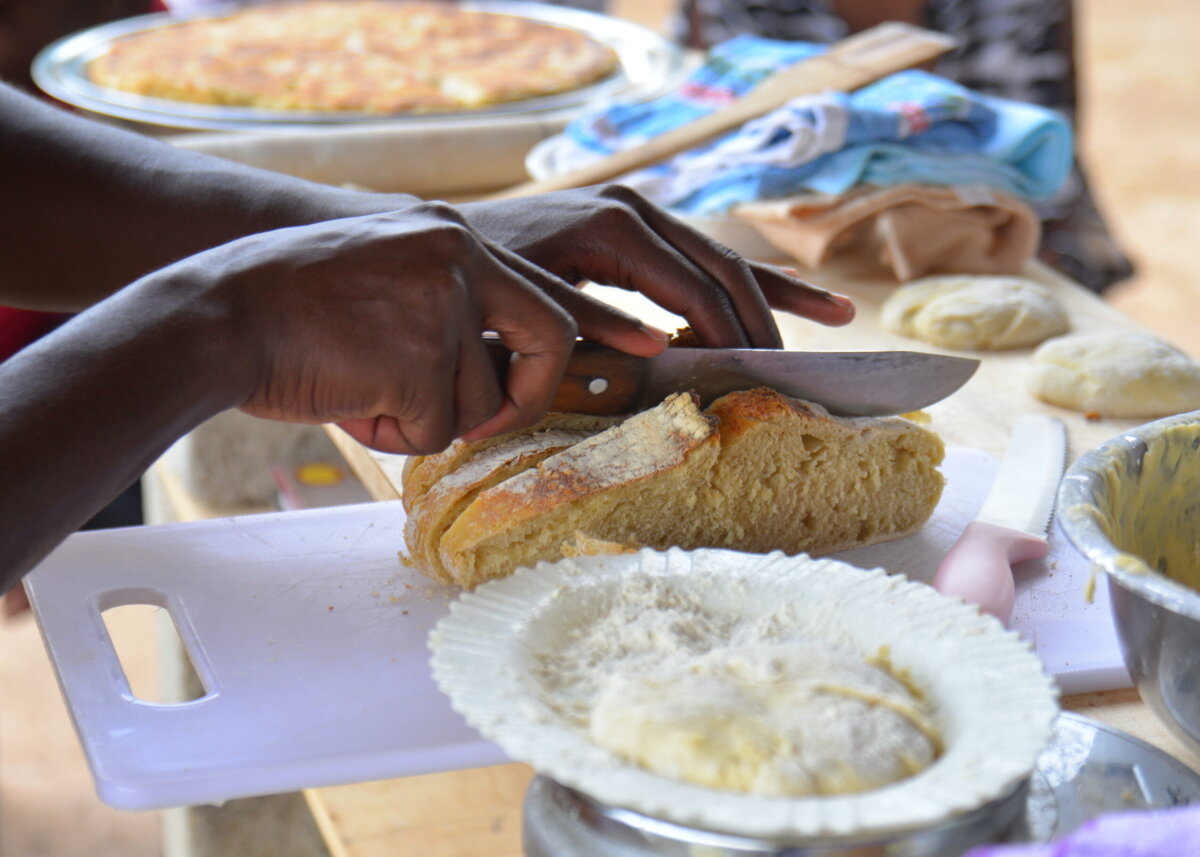
In sourdough architecture, a durational drop-in installation by Catherine Anabella Lie, a living starter functions as both material and clock, structuring daily rhythms through cultivated waiting. Fermentation as a way of sensing and synchronising with time/space. Visitors are welcome to observe these processes as they unfold, linger, rest, and return later to notice how materials, smells, textures, and spaces have shifted to accommodate the dough.
The temporary architecture will host a series of food-related events across the festival days.
Ning runs Mae Charoen Thai Imbiss on Sonnenallee, for many years. On Saturday she's spicing up By The Mango Belt & Tamarind Road with her tofu and chicken Pad Thai – served in banana leaves
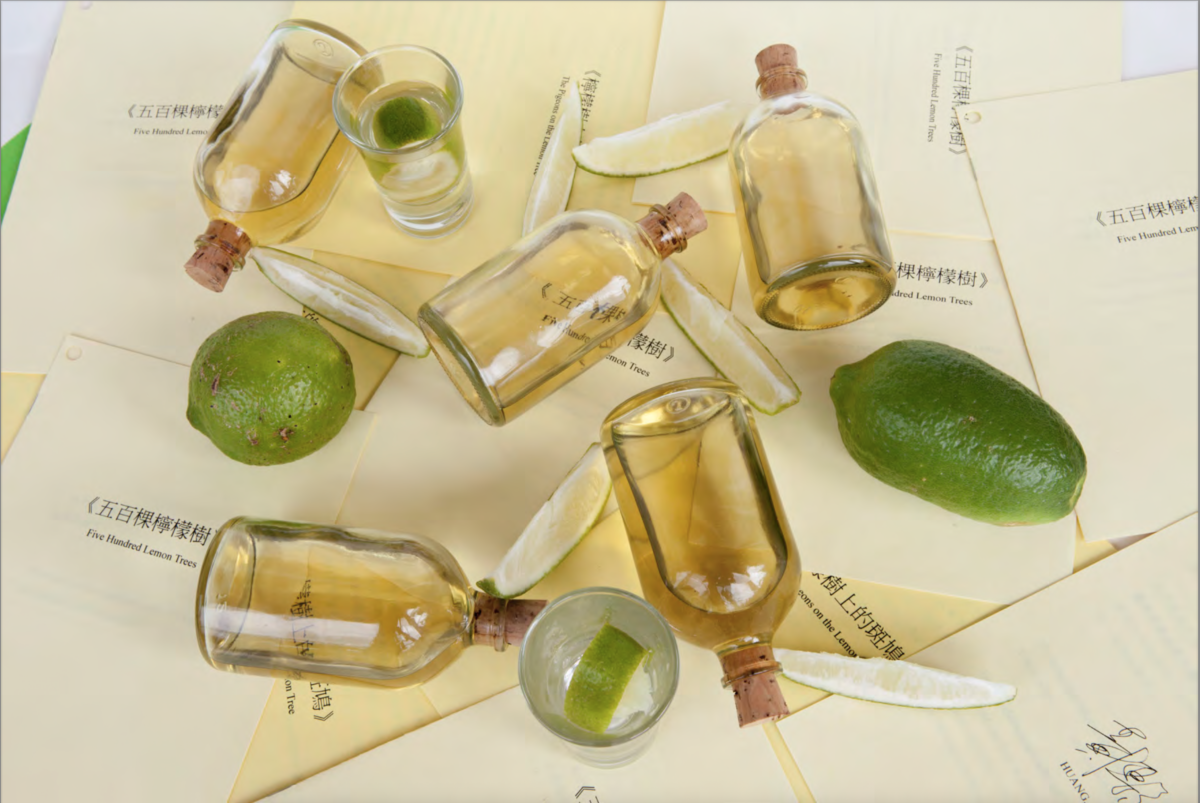
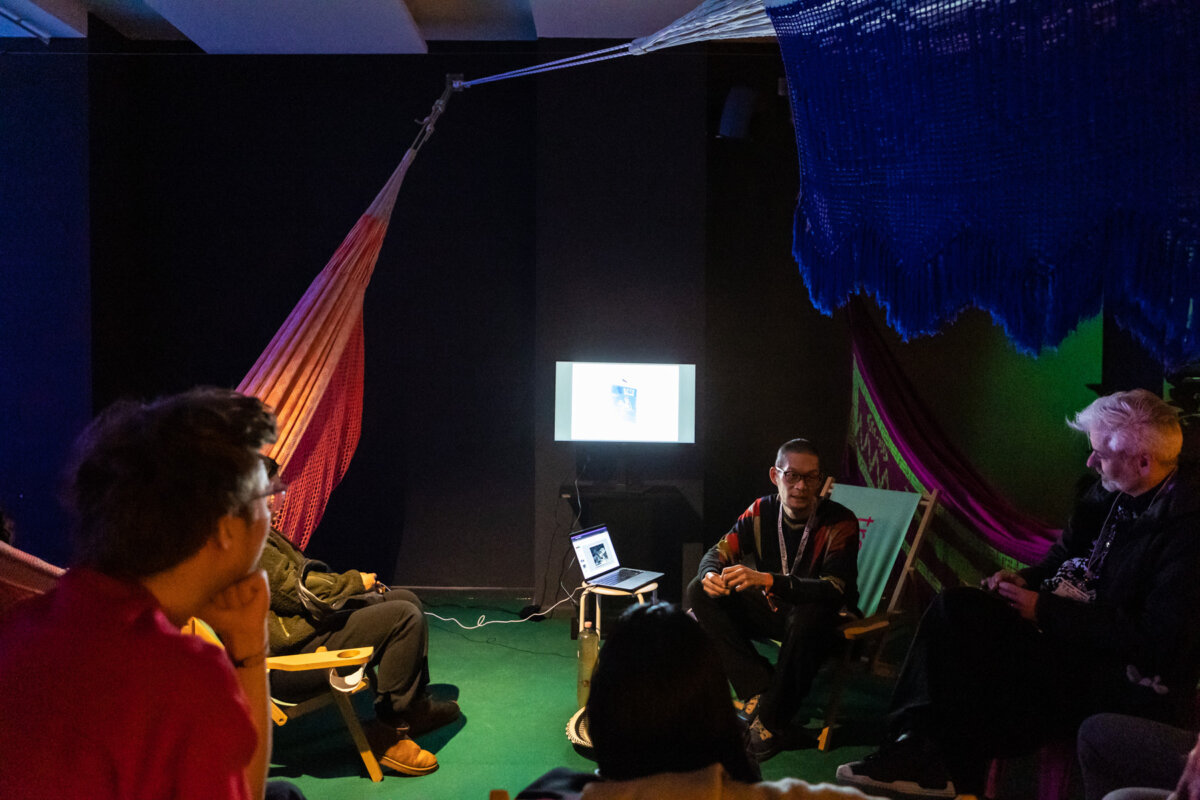
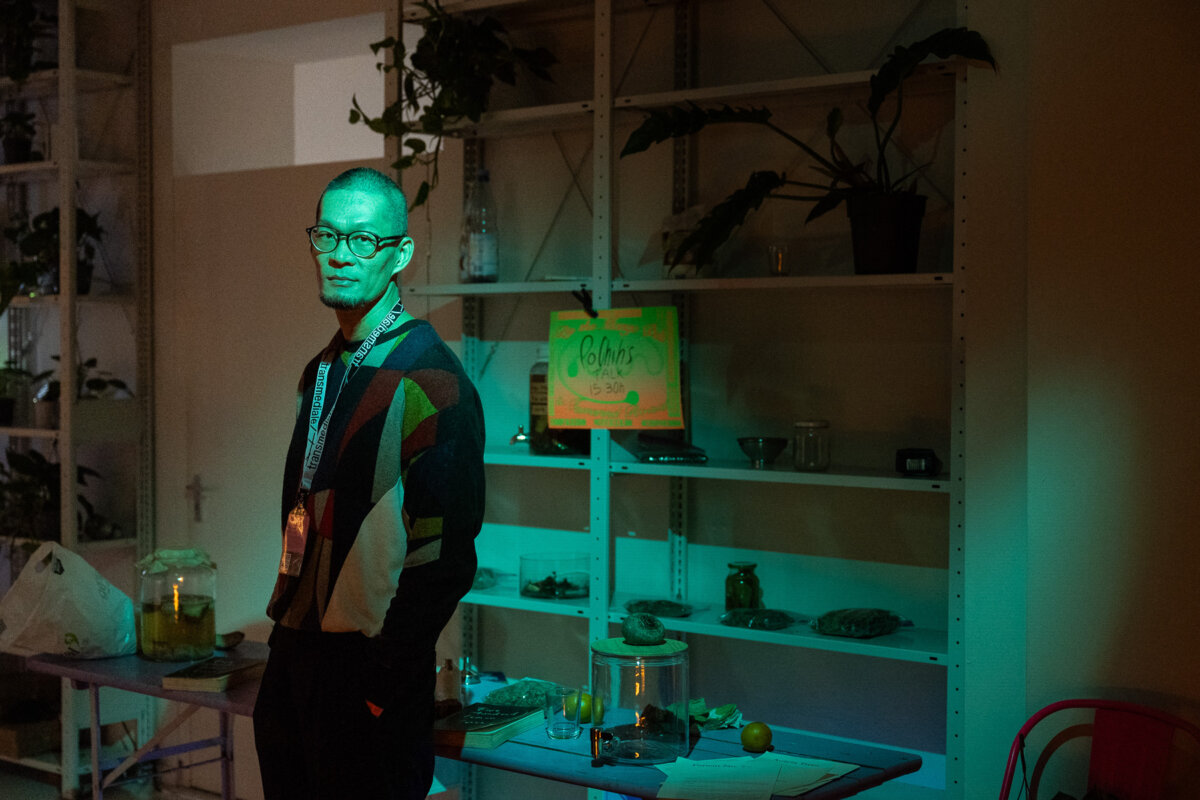
Huang Po-Chih will share about his long-term project 500 Lemon Trees, which funded the reactivation of abandoned Taiwanese farmland through 500 subscribers who collectively produce limoncello. Blending art, farming, and social practice, the project rethinks production and consumption by placing community, transparency, and shared responsibility at the centre of a living, evolving artwork.
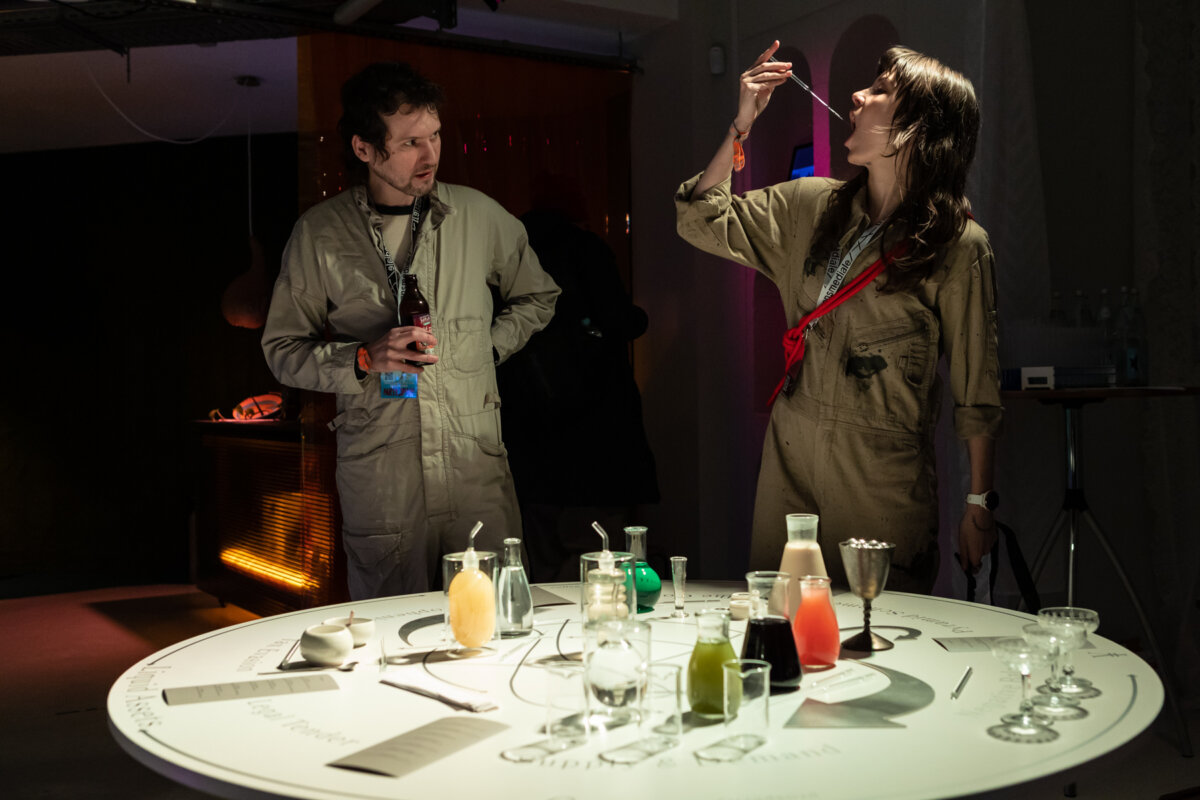
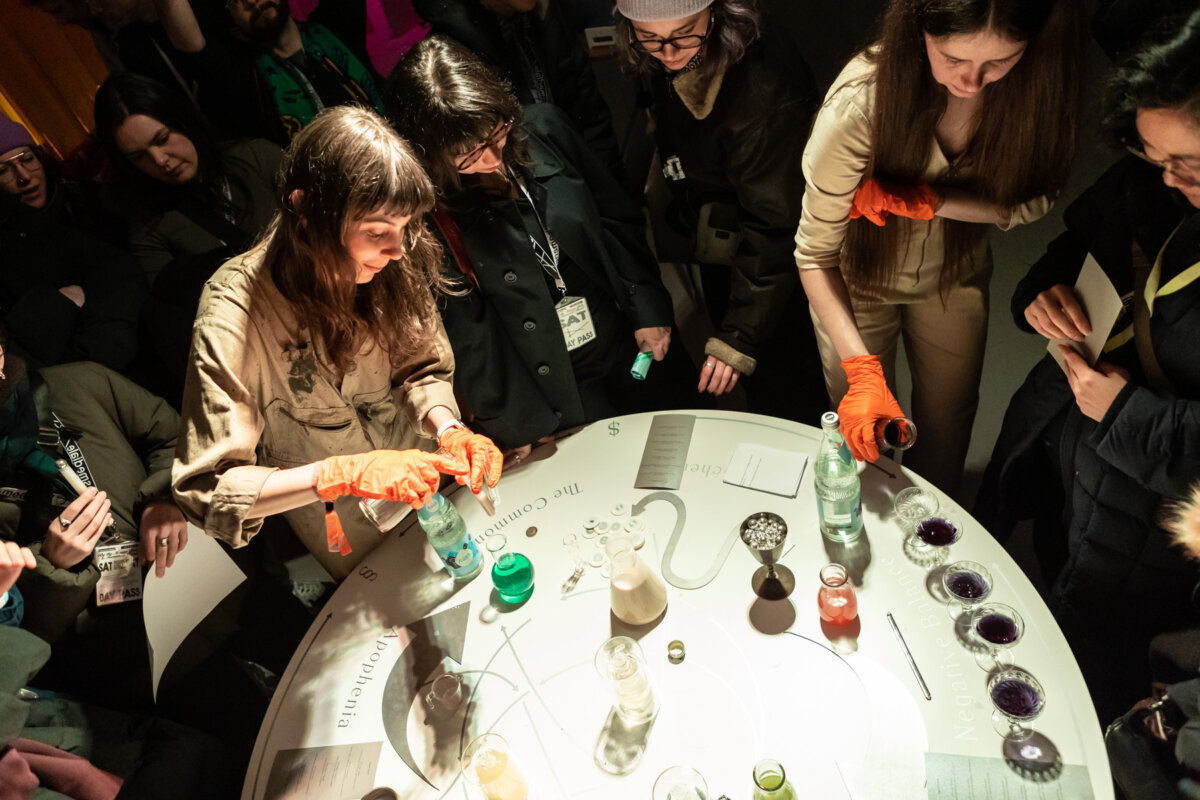
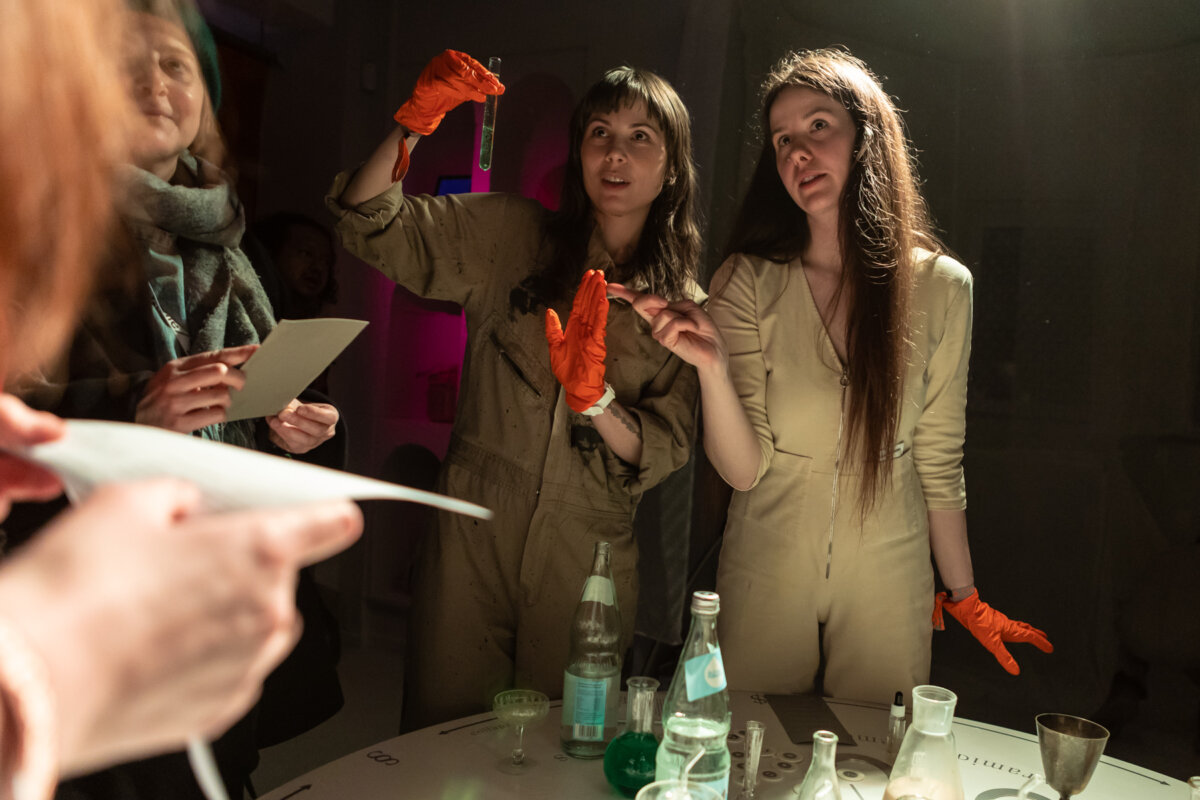
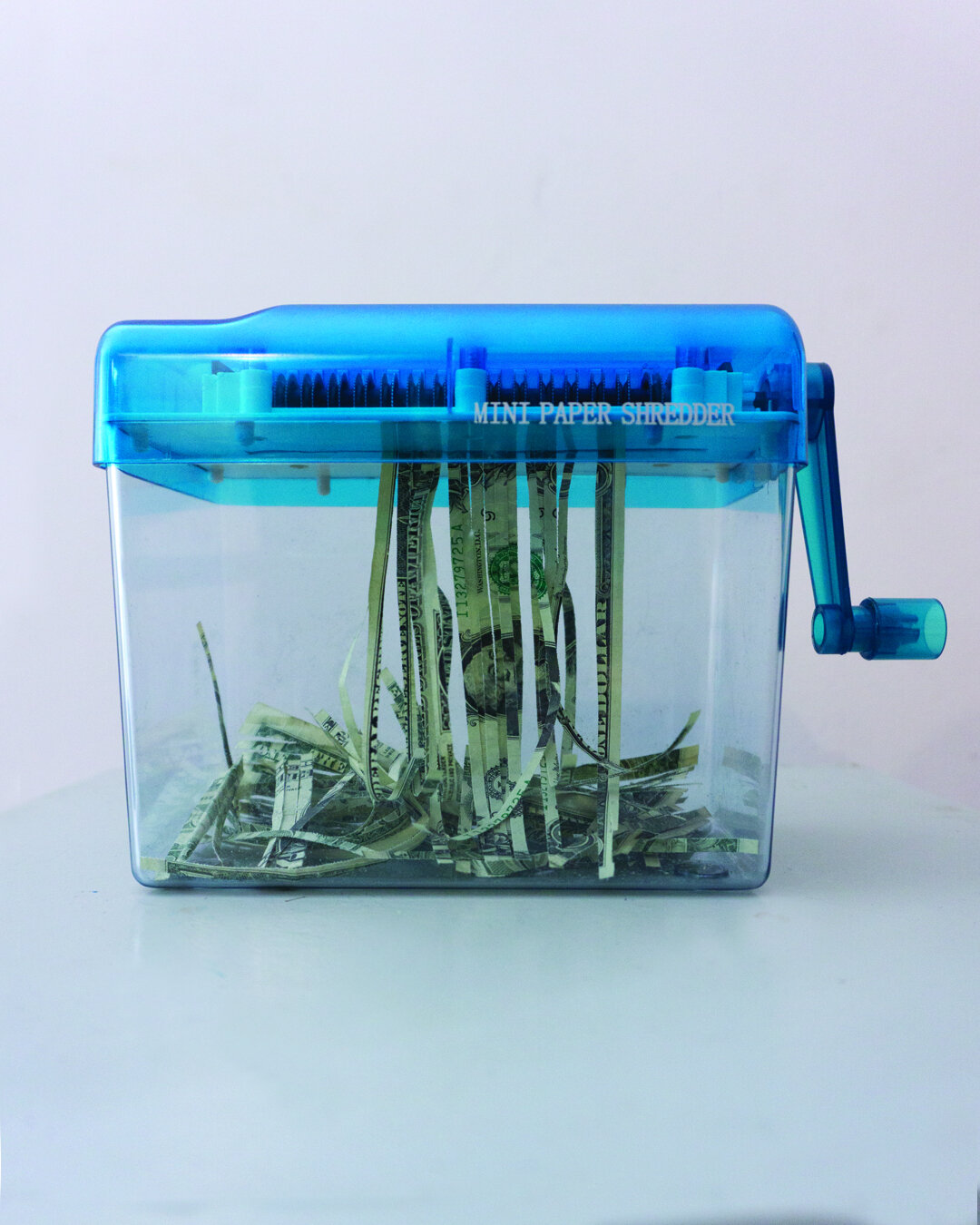
Liquid Assets with Sarah Friend, Gosia Lehmann and Arkadiy Kukarkin, turns US Dollar notes into sugar syrup and cocktails, carefully tested and fit for human consumption. Each cocktail on the menu will dictate your fate and how you navigate this game of sticky liquidity and unreasonable consumption. As usual, nothing is free – in order to seal this sweet deal, you will need to sign one-sided contracts and make future bets…

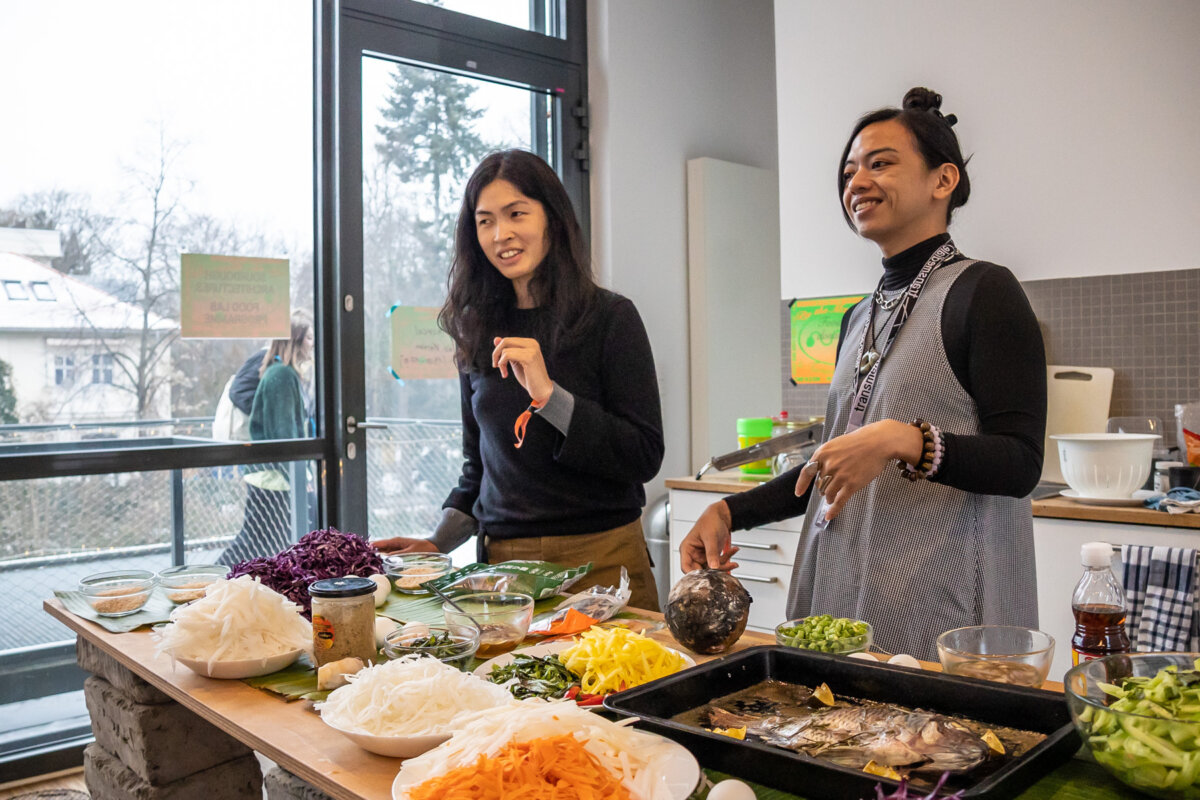


Nasi kerabu is a dish originating from the Malay Archipelago. It is found in southern Thailand and along its border, under the name Khao Yam. It embodies the act of foraging in the home garden – a careful, attentive gesture in a space that is both nourishing and nurturing. One does not harvest, one gathers. Eating and preparing nasi kerabu is a way to experience the territory, to understand its tropical intertwinement, and to recognize cooking as a living, sensitive, and political language. Nasi kerabu will be accompanied by breadfruit ( สาเก / Sukun) a fruit that followed Austronesian migrations and later the routes of colonial slavery. This performance/workshop is brought by Nathalie Muchamad on Sunday.
- 30.01.26.19:30– 20:30Bring Your Own Chips
mit Su Yu Hsin
- Workshop
silent green / Atelier 1 - 31.01.26.13:00– 17:00Holding·Structures (Edible Edition)
mit Ning
- Hybrid Event
silent green / Atelier 1 - 31.01.26.18:00– 19:00Tilapia: A Berlin Tasting Experience
mit Hoo Fan Chon
- Low Tide
- Conversation
silent green / Atelier 1 - 31.01.26.15:30– 17:00500 Lemon Trees
mit Huang Po-Chih
- Low Tide
silent green / transmediale studio - 31.01.26.19:30– 21:00Liquid Assets
mit Gosia Lehmann, Sarah Friend, Arkadiy Kukarkin
- Performance
silent green / transmediale studio - 01.02.26.13:00– 17:00Intertropical Nasi Kerabu
mit Nathalie Muchamad
- Performance
- Workshop
silent green / Atelier 1